Somewhere right now, in a shelter, there’s a black cat who’s been waiting longer than every other cat on the floor. Not because they’re sick, or difficult, or unfriendly — but because of a superstition that started in medieval Europe and somehow never fully died. And somewhere else, on Pinterest, a black cat aesthetic photo is going viral, being repinned thousands of times, collecting hearts from people who find these cats mysterious and beautiful and cool. That contrast — between a cat being unlucky and being an aesthetic icon — tells you everything you need to know about how confused we are about black cats. Let’s unpack the real story.
A Brief History of Black Cat Superstition (And Why It’s Nonsense)
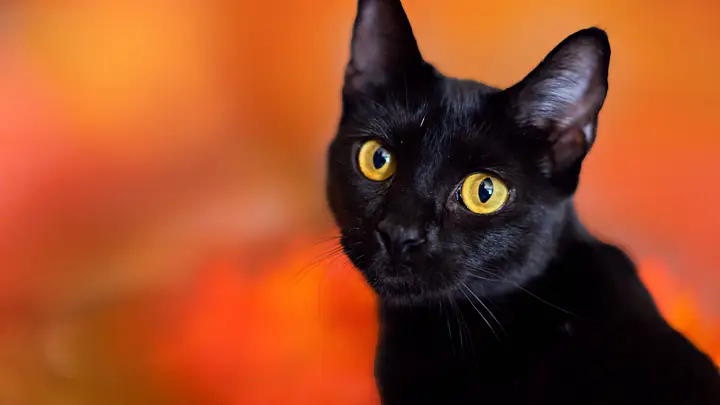
The “black cat equals bad luck” belief has a specific origin: it didn’t exist universally or across all of human history. In fact, for most of recorded history, black cats were considered extremely good omens.
Ancient Egyptians didn’t just tolerate black cats — they venerated them. The goddess Bastet was depicted as a black cat (or as a woman with a cat’s head), associated with protection, good health, and home safety. Killing a cat, even accidentally, was a serious crime in ancient Egypt.
In ancient Japan, black cats are still considered good luck today — particularly for single women, where owning a black cat is believed to attract suitors. In Scotland and Ireland, a black cat arriving at your doorstep was historically considered a sign of incoming prosperity, not disaster.
The pivot to “bad luck” happened primarily in Western Europe during the medieval period, when the Catholic Church began associating cats (especially black cats) with witchcraft and devil worship as part of broader persecution campaigns. Black cats became associated with witches’ “familiars” — and from there, the superstition spread with European colonization and cultural influence around the world.
Understanding that the “bad luck” belief was essentially a medieval PR campaign — not ancient wisdom — changes the entire frame around black cats.
What Science Actually Says About Black Cats
Modern research has produced some genuinely interesting findings about black cats that are worth knowing:
Black coat coloring may be linked to disease resistance. A 2003 study published in the Journal of Heredity found that the gene mutation responsible for black coat coloring in cats (melanism) is in the same gene family as mutations that confer disease resistance in humans. This suggests that black coat coloring in cats may not be cosmetically neutral — it might actually be linked to certain immune advantages, though research in this area is ongoing.
Black cats are statistically under-adopted. Multiple shelter studies in the US and UK have confirmed that black cats spend significantly longer in shelters than cats of other colors, and are at higher euthanasia risk simply due to slower adoption rates. The reasons are complex — superstition plays a role in some regions, while in others, photography quality is blamed (black cats are harder to photograph well, making their shelter profile photos less appealing).
The “black cat personality” has been documented. A 2015 study from UC Berkeley found that people consistently associate black cats with being “more mysterious” and “less friendly” than cats of other colors — a perception that doesn’t match reported owner experiences, where black cat owners consistently describe their cats as affectionate, playful, and highly social.
The Black Cat Aesthetic — Why This Trend Matters Beyond Pinterest
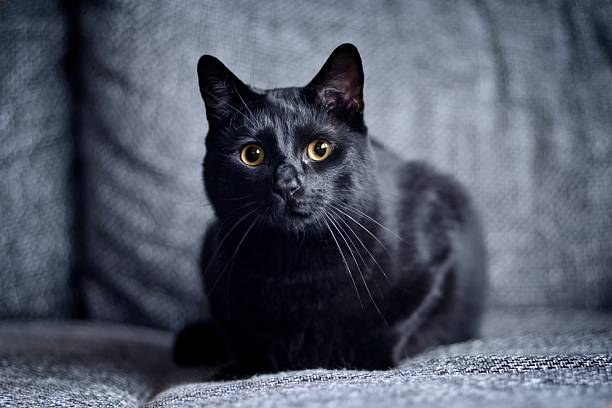
The recent explosion of “black cat aesthetic” content on Pinterest, TikTok, and Instagram isn’t just a trend — it’s part of a documented cultural shift in how people perceive black cats, and it’s having a measurable real-world effect.
Shelters in cities with large Gen Z and millennial populations have reported increased interest in black cat adoptions, correlating with the rise of “black cat content” online. The gothic-cozy, autumn-mystery, cottagecore aesthetic that frames black cats as icons of elegance and mystery — rather than bad luck — is creating a genuinely positive feedback loop for actual black cats waiting in shelters.
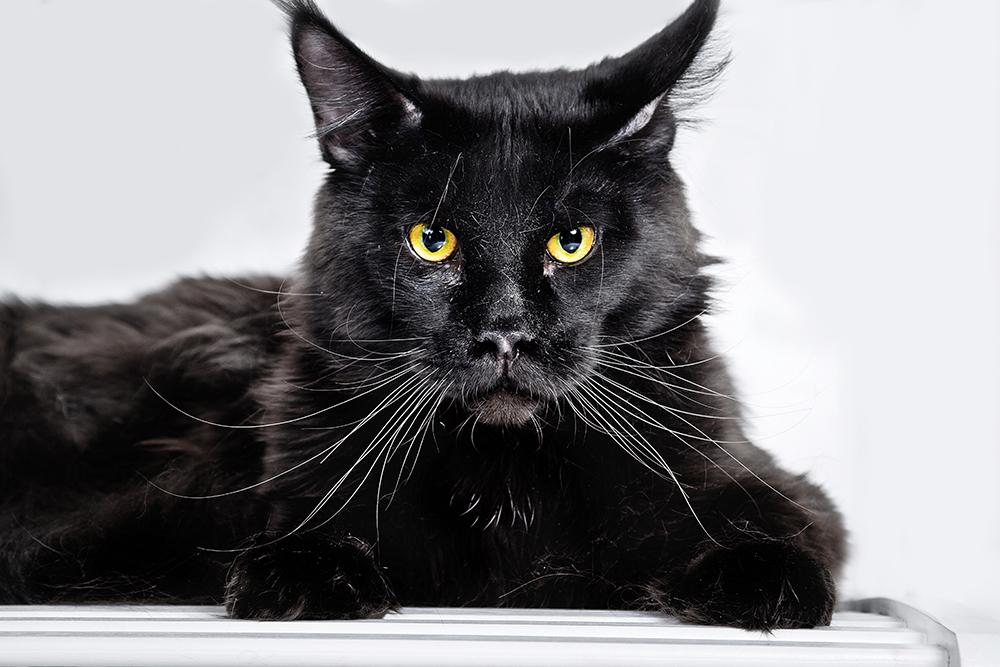
And honestly? The aesthetic is earned. A black cat curled on a velvet chair, or silhouetted in a rainy window, or sitting next to a pumpkin in October — there’s a reason these images perform the way they do. Black cats photograph differently from other cats, and in the right conditions, they photograph magnificently.
7 Reasons Black Cats Are Actually the Best Cats
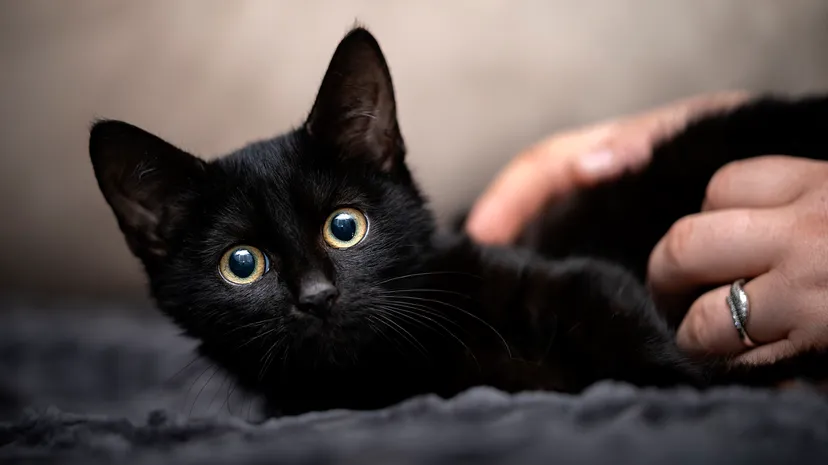
1. Their personality is genuinely exceptional. Black coat coloring crosses all breeds and genetic backgrounds, but surveys of black cat owners consistently return the same themes: affectionate, outgoing, playful, and more socially bold than cats of some other color patterns.
2. They age beautifully. A black cat with white hairs coming in around the muzzle and eyes — the natural salt-and-pepper of an older black cat — is one of the most quietly beautiful things in the pet world.
3. They camouflage on dark furniture (a legitimate perk). Dark couch? Dark bedding? Black cat fur is basically invisible, which is either a feature or a bug depending on how you feel about vacuuming.
4. They look extraordinary in photos — if you know how to light them. Backlighting, window light, and avoiding direct flash are all it takes to turn a black cat photo from “black blob” to absolutely stunning.
5. They’re still available in shelters. The sad truth of black cats’ lower adoption rates means that if you’re open to adopting rather than buying, black cats are often still available when cats of other colors aren’t.
6. Every breed comes in black. Unlike some specific colors restricted to particular breeds, black appears across almost every domestic cat breed, which means you can have your preferred breed and have them in black.
7. They’re living proof that a reputation means nothing. Perhaps the best reason of all: black cats have survived centuries of unfair treatment, near-extinction during certain historical periods, and continued modern bias in shelters — and they’re still here, still thriving, still magnificent.