Cats have a reputation for being independent and low-maintenance, and compared to dogs, they largely are. But “low-maintenance” doesn’t mean “no needs.” An indoor cat without adequate stimulation develops real behavioral and psychological problems — and because cats are masters of masking distress, those problems often show up as things owners dismiss as personality quirks or bad behavior.
Here are the eight clearest signs that your cat is bored, and what each one is actually telling you.
Sign 1: Excessive Sleeping, Even for a Cat
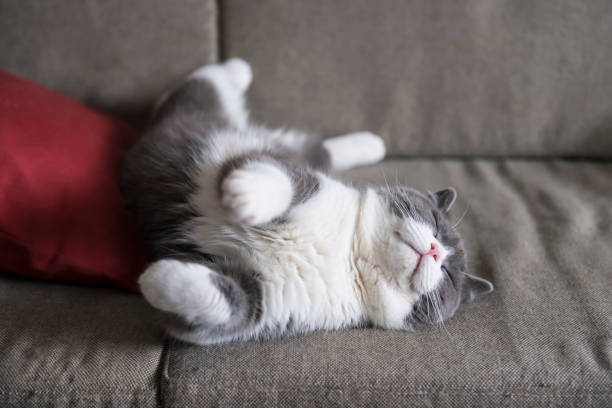
Cats sleep a lot — between 12 and 16 hours per day is normal. But there’s a difference between restorative sleep and the kind of deep, all-day torpor that a bored, under-stimulated cat settles into.
A bored cat doesn’t just sleep because they need rest. They sleep because there’s nothing else worth doing. If your cat barely stirs when you move through the house, shows no interest in windows or sounds, and seems essentially checked out during their waking hours, that level of disengagement is worth paying attention to.
The comparison point is their own past behavior. A cat who used to track birds through the window but now sleeps through them isn’t just older — they may be profoundly under-stimulated.
Sign 2: Destructive Scratching (Beyond Normal)
All cats scratch — it’s how they maintain their claws, stretch their muscles, and mark territory. Normal scratching, directed at appropriate surfaces, is a healthy behavior.
Boredom-driven scratching is different in pattern and intensity. It tends to target furniture, walls, and carpets more aggressively than usual. It may happen at unusual times — repeatedly, late at night, in response to being left alone. And it often doesn’t stop even when scratching posts are available, because the behavior isn’t about the scratch — it’s about releasing frustration and excess energy.
Every Cat Lover Has Seen These 11 Weird Behaviors →
Sign 3: Overgrooming
Cats groom themselves regularly as part of normal behavior. But compulsive overgrooming — licking the same area repeatedly until fur thins or skin becomes irritated — is a recognized stress and boredom response in cats.
The behavior is most common on the belly, inner thighs, and base of the tail. It has a self-soothing quality: the repetitive motion provides stimulation in an otherwise empty environment.
Before attributing overgrooming to boredom, rule out skin conditions and allergies with your vet — the behavior looks identical in both cases. But if your cat has a clean bill of health and is grooming compulsively, enrichment is the first intervention to try.
Sign 4: Increased Aggression or Rough Play
A cat with nowhere to put their predatory energy will direct it somewhere. Sometimes that somewhere is your ankles.
Sudden lunging, biting during petting that escalates quickly, ambushing you from behind furniture, attacking your feet at night — these are frequently boredom behaviors misread as aggression. The cat isn’t angry at you. They have excess predatory energy, and you’re the most interesting moving target in the environment.
The solution is to give that energy a proper outlet — interactive wand toys, laser sessions that end with a physical toy “catch,” and timed play sessions that mirror the hunt-catch-eat cycle cats are wired for.
Sign 5: Eating Out of Boredom
This one is subtle but important. Cats can be opportunistic eaters when understimulated — pestering for food when their bowl is already full, meowing at the food cabinet constantly, eating faster than usual.
Boredom-driven eating in cats follows a similar psychology to boredom-driven eating in humans: food is stimulating, food-seeking behavior passes time, and the routine of mealtimes is one of the few consistent events in an otherwise empty day.
Switching from bowl feeding to puzzle feeders is one of the most effective interventions here — it adds duration and engagement to the eating experience and replaces some of the missing stimulation.
Sign 6: Attention-Seeking Behaviors That Feel New
Cats that were previously independent and became suddenly clingy, vocal, or demanding are often under-stimulated rather than suddenly affectionate. This manifests as following you everywhere, vocalizing more than usual, sitting directly on your laptop or book, or waking you repeatedly at night.
The cat isn’t having a personality change. They’re filling a stimulation gap with whatever resource is available — which, in an indoor environment, is usually you.
Sign 7: Watching the Same Spots for Hours
This one is easy to mistake for calm, meditative cat behavior — and sometimes it is. But a cat that stares at the same blank wall, empty corner, or closed door for hours, repeatedly, may be fixated rather than content.
Normal window watching — watching birds, movement, weather — is healthy enrichment. Staring at nothing without environmental triggers is more like dissociation than contemplation, and it’s worth distinguishing between the two.
Sign 8: Changes in Litter Box Behavior
Stress and boredom both affect litter box habits in cats. Going outside the box when nothing medical is wrong, suddenly burying waste more aggressively than usual, or spending unusual amounts of time in the litter box can all be behavioral responses to a poor environment.
Medical causes should always be ruled out first — urinary issues are extremely common in cats and can look like behavioral problems. But a medically clear cat showing litter box changes in conjunction with other signs on this list is likely experiencing environmental stress.
What To Do: The Enrichment Fix
The good news is that boredom in cats is one of the most fixable behavioral problems there is. The interventions are low-cost, fast to implement, and the results show up quickly.
Introduce vertical space. Cats feel more secure and stimulated when they can survey their environment from a height. A cat tree, window perch, or even cleared shelf space adds meaningful territory.
Daily interactive play. Ten to fifteen minutes of wand toy play per day — mimicking the hunt sequence — is one of the most consistently recommended interventions by feline behaviorists. The key is to end with a toy the cat can “catch and kill,” so the predatory cycle feels complete.
Window access with something to watch. A bird feeder placed near a window, a fish tank, or even cat TV content on YouTube provides passive visual stimulation during the hours you’re not home.
Puzzle feeders and food enrichment. Replace at least one bowl meal per day with a puzzle feeder or scatter feed on a snuffle mat.
Toy rotation. Keep three or four sets of toys and rotate them weekly so novelty stays high.
Frequently Asked Questions
Should I get a second cat to cure boredom? Sometimes, yes — but it’s not a guaranteed solution and introduces its own complexity. Some cats genuinely thrive with a companion; others find the addition of another cat more stressful than stimulating. Age, personality, and the introduction process all matter significantly. Try enrichment interventions first; if the problem persists, a companion may be worth considering.
How long can you leave a cat alone before boredom becomes a problem? Most cats handle 8–10 hours alone reasonably well if their environment is enriched. Regularly exceeding 12 hours without interactive engagement — especially over weeks and months — begins to show in behavior. Regular, predictable play sessions when you’re home compensate significantly.
Is boredom the same as depression in cats? They overlap. Prolonged boredom that goes unaddressed can develop into learned helplessness that looks like feline depression — withdrawal, disinterest in food, reduced grooming. If enrichment interventions don’t improve your cat’s behavior within a few weeks, a vet consultation is appropriate.