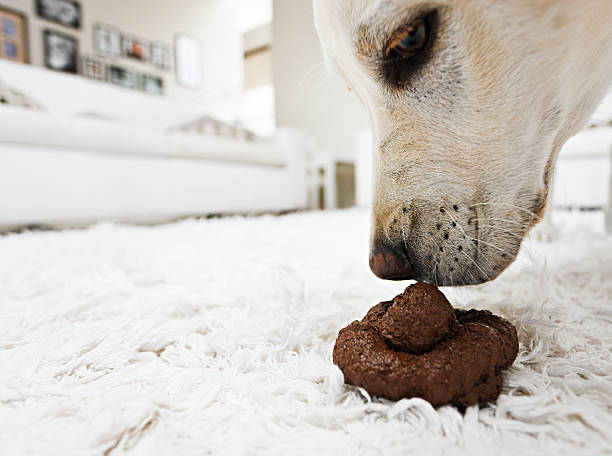
You have Googled this. You have typed it into a search bar, deleted it, retyped it more specifically, and then felt mild relief that you are not the only person doing this because the results appeared immediately and in abundance.
Your dog eats poop. You want it to stop. You would like an explanation that goes beyond “it’s gross” and a solution that goes beyond “try not to think about it.”
Here is both.
The technical term is coprophagia — the consumption of feces — and it is one of the most commonly reported behavior concerns among dog owners. It is also one of the most misunderstood, most dramatically responded to, and least effectively treated, primarily because the vast majority of advice targets the behavior rather than the cause.
There are seven distinct causes of this behavior in dogs. Each requires a different response. The single most important thing you can do is identify which one applies to your dog — because the fix for nutritional deficiency is completely different from the fix for anxiety-driven behavior, and applying the wrong solution to the wrong cause produces no improvement and significant frustration.
Cause 1: It Is Instinctively Normal in Some Contexts
Before the explanations that require intervention, the one that might not require anything at all.
Mother dogs routinely consume their puppies’ feces for the first three weeks of the puppies’ lives. This is normal, instinctive behavior rooted in hygiene management — in the wild, the smell of waste near the nest site attracts predators, and the mother’s consumption of it removes the olfactory signal. This behavior is hardwired deeply enough that some individual dogs retain a version of it into adulthood.
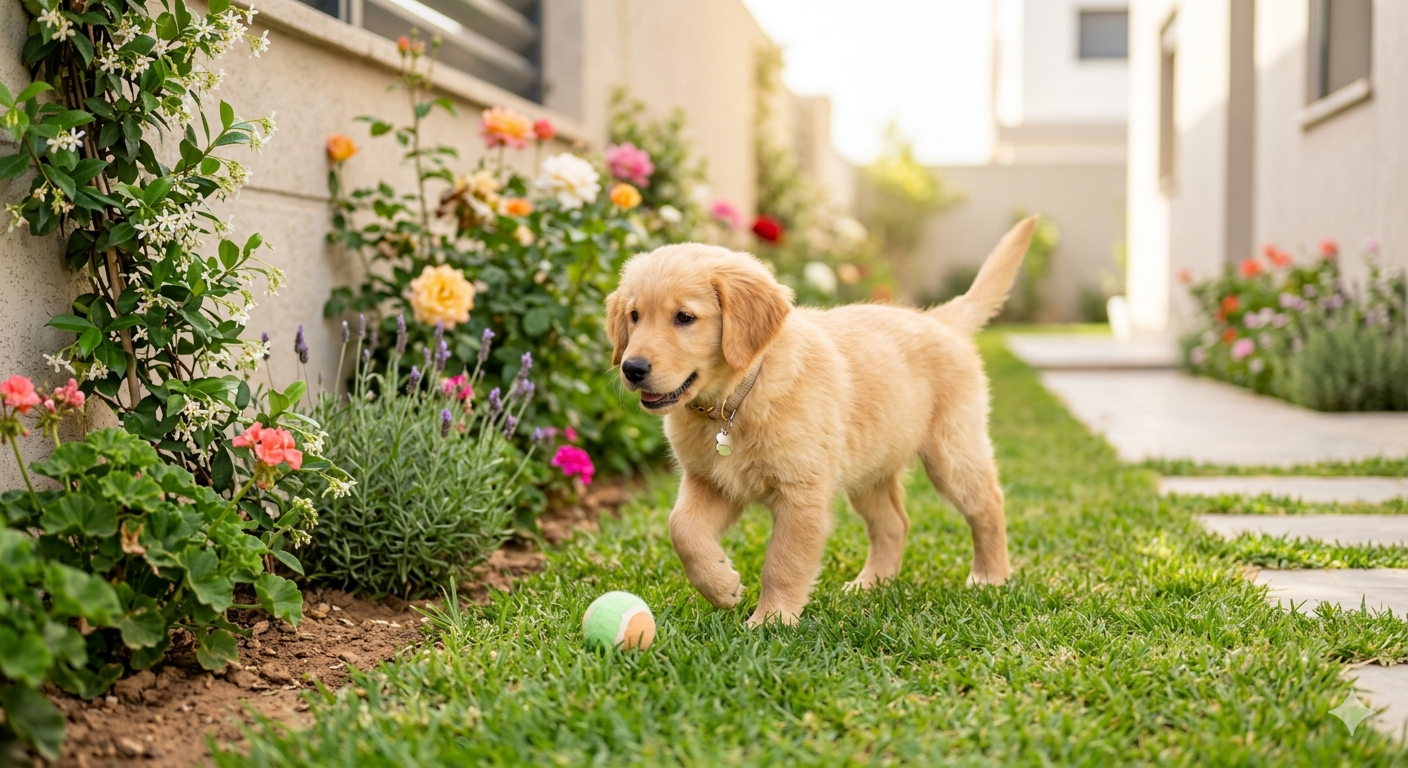
Young puppies frequently eat their own feces — and sometimes the feces of other animals — as part of their general oral exploration of the world. This is the puppy equivalent of putting everything in their mouth, and it typically resolves as the puppy matures, usually by the time they reach six to nine months.
What to do: If your dog is a puppy or a nursing mother, consistent cleaning of the environment immediately after elimination removes the opportunity. In many cases, no further intervention is required.
Cause 2: Nutritional Deficiency or Malabsorption
One of the most physiologically grounded explanations: a dog that is not absorbing sufficient nutrients from their food may seek additional nutritional sources — including feces, which contains partially digested nutrients, digestive enzymes, and microorganisms that the dog’s system is attempting to supplement.
This cause is most consistent with dogs who eat primarily their own feces or the feces of animals on similar diets, and who are otherwise showing signs of nutritional inadequacy — poor coat condition, low energy, or slow growth in puppies.
The specific deficiency most commonly associated with coprophagia is thiamine (Vitamin B1), though broader digestive enzyme deficiency — an inability to fully extract nutrients from food — is also implicated.
What to do: Review the quality of your dog’s current food. A diet based primarily on cheap fillers produces poor nutrient bioavailability regardless of the nutrient listing on the label. Consider adding a canine digestive enzyme supplement, available from most pet supply stores. Discuss a food quality assessment with your veterinarian at the next appointment.
How to Make Homemade Dog Food — 6 Recipes + Full Guide →
Cause 3: The Behavior Was Accidentally Rewarded
This is the cause that catches owners completely off guard, because they are entirely responsible for it and had no idea they were creating it.
A puppy eats some feces. The owner reacts with a loud, dramatic, immediate response — “No! Gross! Stop! Come here!” — full of energy, attention, and direct engagement. To the puppy, this is not punishment. This is the most interesting thing that has happened since breakfast. They have discovered a behavior that produces an immediate, intensely engaged response from their person.
They do it again.
The response is equally dramatic.
They have now learned that this behavior is extraordinarily effective at generating human interaction — and they use it accordingly, particularly in situations where they feel understimulated or ignored.
What to do: Stop reacting dramatically. This is the hardest intervention on this list because the natural human response to watching your dog eat feces is not calm neutrality. Practice the calm, neutral redirect — move toward the dog quietly, attach the leash without comment, and move away from the area. Save the dramatic energy for behaviors you want to reinforce.
Cause 4: Anxiety, Stress, or Confinement
Dogs who are anxious, bored, or confined in spaces where they cannot escape contact with their own waste frequently develop coprophagia as a stress response. This is particularly common in dogs who were raised in crates or kennels where they could not move away from their elimination — the behavior develops as a coping mechanism for the confinement stress.
The same pattern can emerge in dogs who are experiencing separation anxiety — the feces consumption occurs specifically during alone time and is part of a broader pattern of stress behaviors, including destructive chewing, excessive vocalization, and pacing.
What to do: Address the underlying anxiety through environmental enrichment, appropriate exercise, and — for separation anxiety specifically — a graduated desensitization program or veterinary consultation about anxiety management. Increasing mental stimulation (puzzle feeders, training sessions, interactive toys) reduces the boredom component of the behavior meaningfully.
Cause 5: Attracted to Another Animal’s Diet
Dogs are frequently far more interested in the feces of other animals than their own — particularly cats and horses. Cat feces contain significantly higher protein content than dog feces (cats are obligate carnivores and their waste reflects a high-protein diet), and dogs find this protein-rich material highly attractive. Horse feces contain partially digested plant matter and grain that many dogs find compelling.
If your dog is specifically seeking the litter box or has suddenly developed an interest in the pasture, this is the cause.
What to do: Make the litter box inaccessible to the dog through placement (elevated litter boxes, baby gates with cat-door cutouts) or covered litter box designs. Clean the box more frequently to reduce the window of opportunity. For horses and livestock — management and leash supervision during pasture visits.
Cause 6: Learned from Another Dog
Coprophagia is occasionally a learned behavior — observed in a dog who lived with or regularly interacted with another dog who exhibited the behavior. The observational learning that makes dogs so effective at picking up new skills from each other applies equally to behaviors their owners would prefer they did not acquire.
What to do: If the source dog is still in the household, address that dog’s behavior simultaneously. If the source dog is no longer present, the learned behavior may persist through habit even without reinforcement — address it through consistent management and redirection.
Cause 7: Underlying Medical Condition
Certain medical conditions increase the likelihood of coprophagia — including conditions that affect nutrient absorption (exocrine pancreatic insufficiency, inflammatory bowel disease), conditions that increase appetite dramatically (Cushing’s disease, diabetes, thyroid disorders), and parasites that compromise the digestive system’s efficiency.
If coprophagia is a new behavior in a previously unaffected adult dog, or if it is accompanied by other symptoms — weight changes, increased appetite or thirst, coat changes, digestive symptoms — a veterinary workup to rule out underlying medical causes is the appropriate first step before any behavioral intervention.
What to do: Veterinary visit. New behavioral changes in adult dogs always warrant medical assessment before behavioral explanation.
8 Solutions That Actually Work
Now that the cause has been identified, the interventions that address it:
1. Immediate cleanup: Remove feces from the environment as soon as possible after elimination. No access to feces equals no opportunity to eat it. This is the simplest and most consistently effective management strategy regardless of cause.
2. Leash supervision: Keep the dog on a leash during outdoor elimination and redirect immediately after. The leash removes the opportunity for unsupervised access to feces in the garden or on walks.
3. Taste deterrents applied to feces: Products containing ingredients that make feces taste unpleasant to the dog — typically bitter or hot compounds — can be applied to feces or added to food (the compounds pass through the digestive system, making the resulting feces aversive). These work for some dogs and not at all for others — individual palatability response varies significantly.
4. Food additive deterrents: Several commercial products are available as food additives that make the dog’s own feces aversive. Forbid and Nasty Habit are two commonly used examples. These address own-feces consumption specifically and have variable effectiveness.
5. Diet upgrade: Transitioning to a higher-quality food with better bioavailability addresses the nutritional deficiency and malabsorption causes. This is a slower intervention, but one of the most foundational — a dog receiving complete nutrition from their food has less physiological drive toward supplementation.
6. Digestive enzyme supplementation: Added to food daily, digestive enzyme supplements improve nutrient extraction from food and address the malabsorption component of nutritional coprophagia. Results typically become apparent within two to four weeks of consistent supplementation.
7. Increased mental and physical stimulation: For boredom and anxiety-driven coprophagia, environmental enrichment is the treatment. Puzzle feeders at meal times, daily training sessions, appropriate exercise, and interactive toys address the root cause rather than the symptom.
8. “Leave it” training: Teaching a reliable “leave it” command — trained with high-value rewards and practiced consistently — gives you a verbal tool for interrupting the behavior before it occurs. This requires consistent practice in many contexts before it is reliable in the high-motivation feces context, but it is one of the most durable long-term solutions available.
What Does Not Work
Punishment after the fact: Dogs do not connect punishment to behavior that occurred more than a few seconds ago. Punishing a dog for eating feces they consumed while you were not watching teaches the dog to avoid you after the behavior, not to avoid the behavior.
Dramatic verbal correction: as explained under Cause 3, dramatic reactions can actively reinforce the behavior. Calm, neutral management is more effective than emotional response.
Single-ingredient solutions applied without identifying the cause: a taste deterrent applied to a dog whose coprophagia is driven by anxiety will produce no improvement because it addresses the wrong variable entirely.
ENDING:
Your dog eating poop is a fixable problem. It requires identifying the correct cause — which this guide provides the framework for — and applying the appropriate solution consistently for long enough to see results. Most cases of coprophagia resolve significantly within four to six weeks of correct intervention.
Save this guide to Pinterest for every dog owner who has typed that search into their phone at 11pm and felt alone in the situation. They are not alone. It is one of the most common dog owner experiences in existence. And now they have the actual answer.