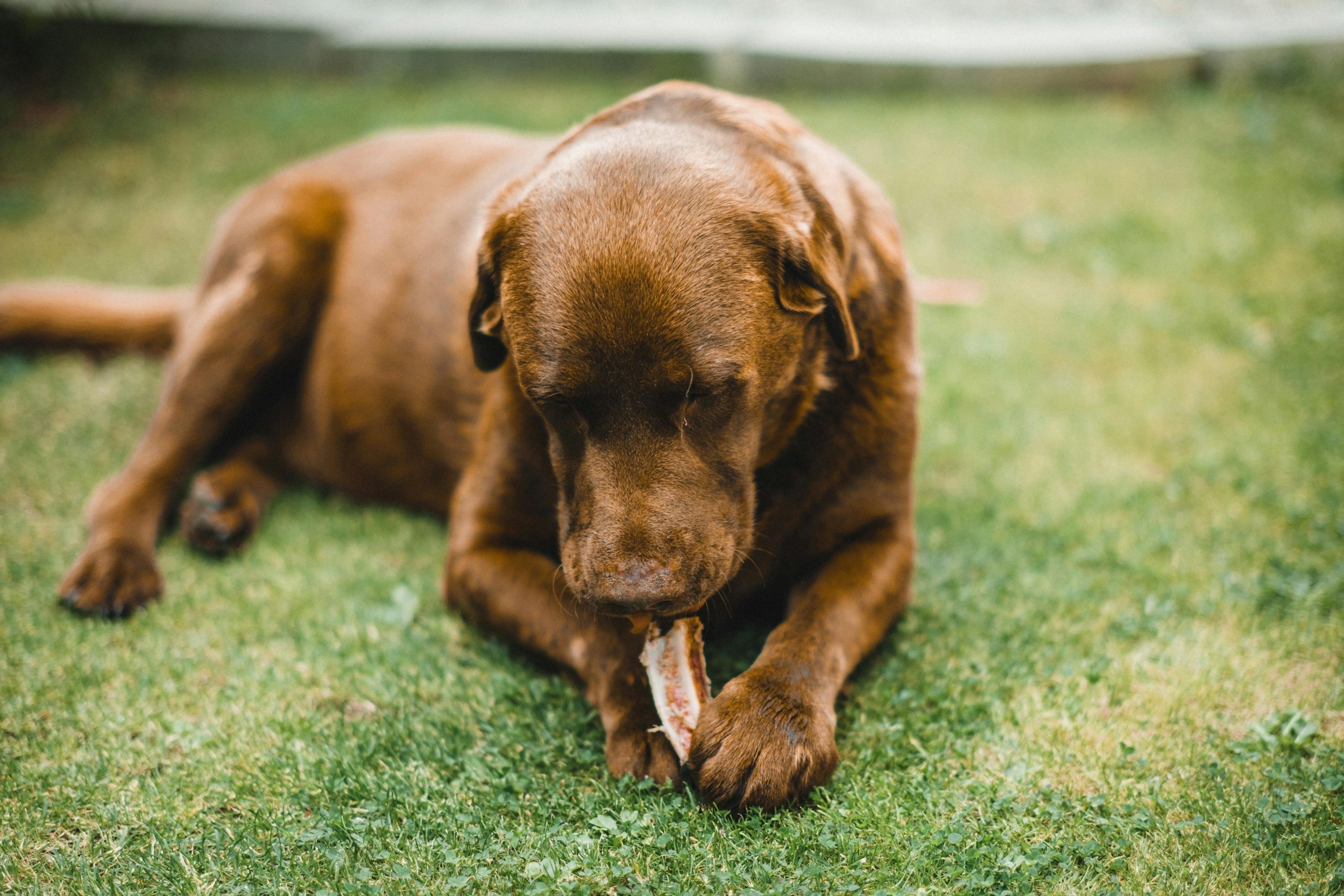
You’re on a perfectly normal walk. Your dog sniffs a patch of grass, then just… starts eating it. Not sniffing. Not rolling in it. Actively grazing, like a small, enthusiastic, leash-attached cow.
It’s one of the most common things dog owners report to their vets, and one of the most misunderstood. The popular explanation — “they eat grass when they feel sick and need to vomit” — turns out to be mostly wrong. The reality is more interesting and a lot less alarming.
The “They Eat Grass to Make Themselves Vomit” Myth
This is the explanation most people have heard, and it contains just enough truth to be misleading.
Yes, some dogs eat grass and then vomit. But research consistently shows that the majority of dogs who eat grass do not vomit afterward — estimates range from 75 to 90 percent of grass-eating dogs showing no signs of illness before or after the behavior. If grass-eating were primarily a self-medicating behavior to induce vomiting, you’d expect to see vomiting follow most of the time. It doesn’t.
The “sick dog eats grass to feel better” narrative has been passed around so long it feels like fact. It’s more accurate to say: occasionally, a dog that already feels nauseous will eat grass, and occasionally that results in vomiting. But that’s a small subset of what’s actually a much more common, much more mundane behavior.
Reason 1: They Actually Like the Taste and Texture
This is probably the most boring and most accurate explanation: some dogs simply enjoy eating grass.
Dogs are not obligate carnivores like cats. They’re omnivores with a digestive system that evolved to handle a wide variety of foods, including plant matter. Wild canids routinely consume vegetation — sometimes from the stomach contents of prey, sometimes directly. Grass is part of the natural canine palette.
Young, fresh grass in particular has a mild sweetness that some dogs find genuinely appealing. You’ll notice grass-eating happens more in spring when new growth appears — that’s not a coincidence, it’s a preference.
Reason 2: Fiber and Digestive Regulation
Grass is high in fiber. Dogs on low-fiber diets sometimes seek out plant matter instinctively as a way of adding bulk to their digestion.
This is one reason vets sometimes see an uptick in grass-eating when dogs switch foods or are on highly processed diets — the dog is, in a sense, supplementing. It doesn’t mean anything is wrong, but it can be a signal worth noting. If your dog’s grass-eating is frequent, it’s worth discussing the fiber content with your vet.
Reason 3: Boredom and Behavioral Habit
Dogs explore their environment with their mouths. A dog left in a yard with nothing stimulating to do will often resort to sniffing, digging, or eating whatever’s available — grass included.
For many dogs, grass-eating starts as curiosity and becomes a habit through repetition. It becomes something they do on walks, the same way they always sniff the same fence or check the same corner. It’s a behavioral pattern, not a medical one.
Dogs that are well-enriched — plenty of exercise, mental stimulation, interactive play — tend to show less compulsive grass-eating than dogs who are understimulated.
Reason 4: Instinct and Ancestral Behavior
Wild wolves and dogs regularly consume plant matter, and research on wolf scat shows vegetation appearing consistently across seasons. There’s a reasonable argument that some grass-eating is simply instinct — behavior inherited from ancestors for whom plant consumption was normal and adaptive.
Grass also contains certain nutrients and compounds — folic acid, for instance — that may provide minor dietary benefit. Whether dogs are consciously seeking these out is unknown, but the instinct toward plant matter doesn’t need a complicated explanation.
Reason 5: Sometimes, Yes, They Do Feel Nauseous
To be fair to the original explanation, it does apply sometimes. Dogs experiencing acid reflux, an upset stomach, or gastric discomfort will sometimes eat grass rapidly and in large quantities — and this version does often precede vomiting.
The distinguishing features are urgency and quantity. A dog casually grazing a few blades on a walk is almost certainly doing it for enjoyment or habit. A dog that rushes to a patch of grass and eats it frantically, especially on an empty stomach or first thing in the morning, is more likely experiencing gastric discomfort.
If your dog is a frequent, frantic grass-eater, especially paired with lip-licking or early morning vomiting of yellow bile, it’s worth a vet conversation about acid reflux.
When Should Grass-Eating Actually Concern You?
Most of the time, it shouldn’t. But there are situations worth paying attention to:
- Treated lawns and public spaces. Pesticides, herbicides, and fertilizers can all be harmful if ingested. If you don’t know what’s been applied to a patch of grass, redirect your dog away from it.
- Sudden increase in frequency. If a dog that rarely ate grass starts doing it constantly, that shift is worth noting — it can signal a dietary issue, digestive discomfort, or increased anxiety.
- Other plants are mixed with grass. Dogs don’t always discriminate between grass and nearby plants. Many common garden plants are toxic to dogs. Know your yard.
- Grass eating is paired with lethargy or repeated vomiting. This combination warrants a vet visit rather than reassurance from the internet.
Frequently Asked Questions
Should I stop my dog from eating grass? Usually not necessary. If the grass is untreated and your dog is eating it casually without subsequent vomiting or distress, it’s harmless behavior. Consistent redirection is reasonable if you’re concerned, but most vets don’t consider occasional grass-eating a problem.
Does grass-eating mean my dog is missing something in their diet? Sometimes, but not always. Fiber deficiency can contribute to grass-seeking behavior. If your dog eats grass frequently and their diet is low in fiber or predominantly dry kibble, it’s worth reviewing their nutrition with a vet.
Why does my dog eat grass first thing in the morning? Morning grass-eating, especially when frantic and followed by yellow bile vomiting, is often related to bilious vomiting syndrome — a form of acid reflux that occurs on an empty stomach overnight. A small meal before bed often resolves it.
Is it okay if my dog eats grass and then vomits? Occasional vomiting after grass-eating is not a medical emergency. Frequent or forceful vomiting, or vomiting paired with other symptoms, warrants veterinary attention.