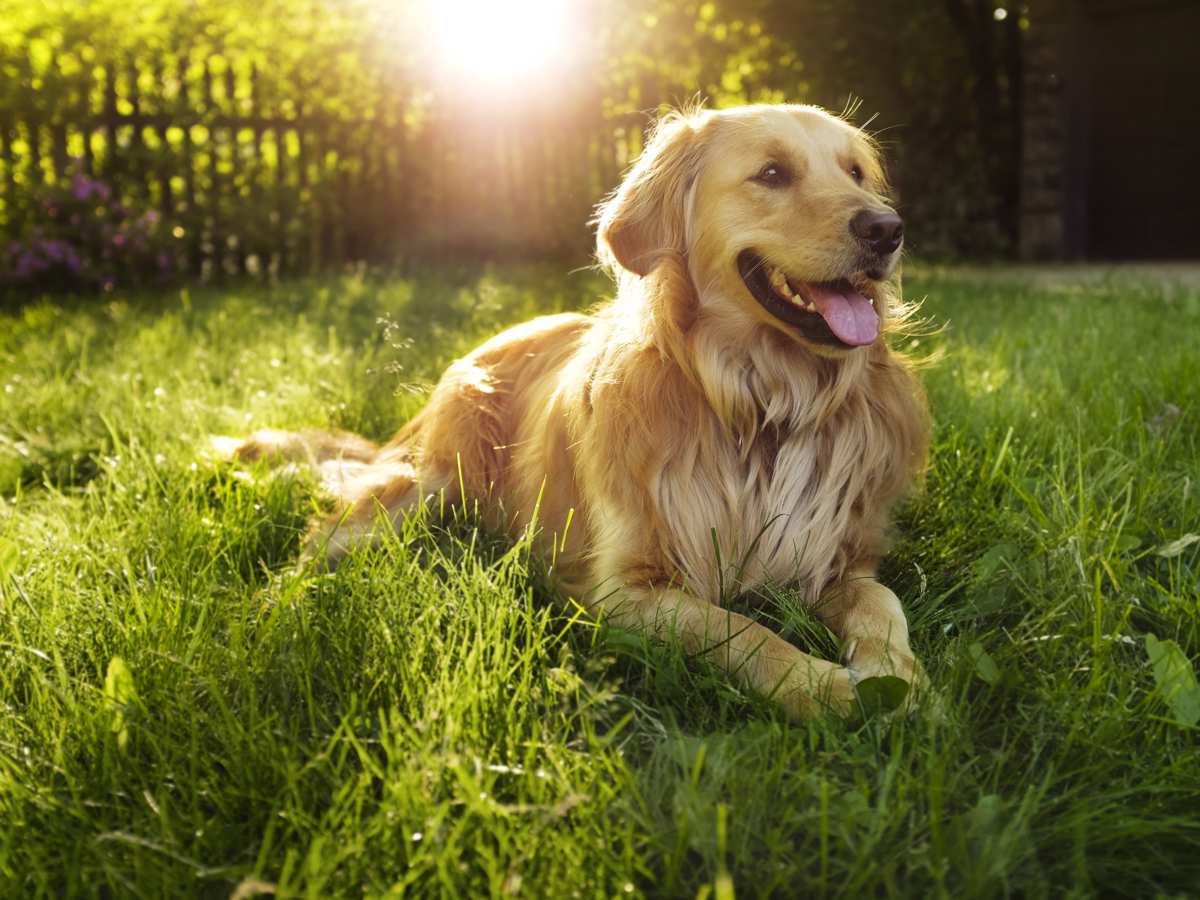
There is nothing prettier than a Golden Retriever with a gleaming coat flowing as they move — that is, as long as the dog is well-groomed.
The Golden Retriever’s coat is one of the most beautiful in the dog world — warm, flowing, water-repellent, and possessing a quality that photographs well in any light and improves with proper care. It is also a coat that requires consistent, knowledgeable maintenance to remain the asset it is meant to be. Neglect it, and it mats, dulls, and becomes uncomfortable for the dog beneath it.
Golden Retrievers are known as a “wash and wear” breed, meaning they do not have the extensive grooming needs of many other breeds. But that doesn’t mean you can slack on grooming. By keeping their coat brushed and combed several times a week, with a bath as needed, shedding will be kept under control, and the development of mats and tangles will be kept at bay. And regular grooming is not just important for appearance’s sake — a dirty, tangled coat is not only unattractive, but it can be uncomfortable for your dog.
This guide covers everything — the tools, the techniques, the schedule, and the mistakes worth avoiding.
Understanding the Golden Retriever’s Double Coat
Before any technique can be applied correctly, the coat itself needs to be understood. The Golden Retriever has a double coat, and the distinction between the two layers matters for every grooming decision you make.
Goldens have dense double coats with a soft undercoat and a longer outer coat. Regular brushing prevents matting, distributes natural oils, and reduces shedding.
The outer coat is water-repellent — the feature that allowed working Goldens to retrieve waterfowl in Scottish Highland conditions and that continues to provide weather protection for modern Goldens. The undercoat is dense, soft, and insulating — providing warmth in winter and, somewhat counterintuitively, protection from heat in summer by creating a layer of insulated air against the skin.
You should never shave your Golden Retriever’s hair, not even during the summer months. Golden Retrievers have a double coat, which works together to protect your pup in both the winter and the summer months. In the summer, the undercoat is shed — if you were to then shave it even further, this could leave the Retriever’s skin unprotected and bare for sunburn. Even clipping is not advisable with your Golden Retriever, as it can hinder the growth of the undercoat later in the year.
This is the most important single fact in Golden Retriever grooming: never shave. Not in summer. Not ever. The coat is a thermoregulation infrastructure, not decoration.
The Grooming Tool Kit
A slicker brush keeps your Golden Retriever’s coat free from tangles and helps spread the dog’s natural oils throughout the body. Use it every time you brush your dog’s coat. Since Golden Retrievers shed regularly, they’ll also benefit from a de-shedding tool. It collects fur that the slicker brush misses. You can use a deshedding tool about once a week immediately after brushing with a slicker brush.
Essential tools:
Slicker brush: The primary tool for surface-level detangling and coat smoothing. Use at every brushing session. Choose a brush with firm but flexible pins that move through the outer coat without scratching the skin.
Undercoat rake: Essential for reaching the dense undercoat where dead hair accumulates. Use the comb on feathering behind the ears, chest, legs, and tail.
Steel comb (wide-tooth and fine-tooth): Use a comb to check for mats behind the ears, in the feathering on the legs, and around the tail. If the comb passes through without resistance, the section is genuinely tangle-free. If it catches, the slicker brush has more work to do before you move on.
De-shedding tool: For heavy shedding seasons. Used after the slicker brush to remove loose undercoat before it distributes itself through your home.
Thinning shears: For selective trimming of feathering on ears, legs, feet, and tail. Always thinning shears rather than straight scissors for a natural finish.
Blunt-tipped scissors: For trimming around paws and sensitive areas where straight-blade risk is not appropriate.
Dog-specific shampoo and conditioner: A shampoo that also works as a conditioner is usually perfect for a Golden Retriever — this helps reduce the amount of knots and matting in your pup’s hair, making it much less painful when you brush.
The Brushing Schedule
Because of their coat type, it’s important to maintain a consistent grooming schedule by brushing them at least 3–5 times a week.
Regular weeks: 2 to 3 times per week minimum. This is sufficient to maintain a tangle-free coat, distribute natural oils, and keep shedding manageable between full grooming sessions.
Shedding season (spring and autumn): Daily brushing is ideal during shedding seasons. For heavy shedding, brush with a pin brush once a day to remove the dead hair and keep it from landing all over the house.
Each session takes: Brushing your Golden Retriever will typically take about 10 to 15 minutes. You can start from the base of their neck, working your way down to their legs. Before brushing each section, check for tangles or mats, so you don’t accidentally yank your Golden Retriever’s skin.
The technique step by step:
Back brush the entire body with the pin brush to loosen the dead undercoat and collect debris, such as twigs or foxtails, then brush the coat in the direction it grows.
Start with the undercoat rake to remove loose, dead fur from the undercoat. Always go in the direction of hair growth. Follow with a slicker brush to smooth the outer coat and remove smaller tangles.
The problem areas: Watch out behind the ears, tail, and the back legs of your Retriever — this is where they are most prone to matting, so make sure to take extra care.
For stubborn mats: Don’t use force to untangle stubborn tangles or mats. Instead, use a detangling spray and gently brush out the knotted hair. Mats are painful and can lead to bald spots.
Bathing: The Right Frequency and Technique
Bathing every 6 to 8 weeks is typically enough unless your dog gets especially dirty or smelly. Overbathing can strip natural oils and dry out the skin.
Brushing is the best way to keep your Golden Retriever’s hair nice and soft — it removes all of the dead skin cells from their body and distributes the pup’s natural oils across all of its hair for that extra shine. This is why it is important that you don’t overbathe your dog, as this can strip their coat of these natural oils, leaving their hair dull.
Pre-bath: Always brush before bathing. Regular brushing before and after bathing helps remove the old hair. Attempting to brush a wet, tangled coat causes breakage and discomfort.
The bath technique: When bathing, wet the dog down to the skin before applying a canine quality shampoo and a conditioner. This reduces static electricity and the hair sticking up in all directions. Rinse the coat twice, as the Golden’s double coat retains the shampoo.
Pay special attention to areas where the fur is longer, paw pads, and potty areas. Use water at the temperature you would bathe a baby in, and be sure to rinse every bit of shampoo out of the coat.
Drying: Thoroughly towel dry. Give the dog a few minutes to run around and air dry. To make the process easier, use a canine hairdryer, which is cooler than a human hairdryer and won’t burn the hair. Blow the air up against the skin in the opposite direction the hair grows.
Trimming: What to Trim and What to Leave Alone
Golden Retrievers require selective trimming — maintaining the natural coat silhouette rather than cutting it shorter. The areas that benefit from regular attention:
Paw pads: To maintain the dog’s traction on slippery surfaces, the hair on the bottom of the feet between the pads needs regular trimming. Use sharp canine scissors or blunt-end scissors. Check between the toes for any foxtails or grass barbs and promptly remove them.
Ears: Trim feathering around the ear to reduce tangles and improve ventilation. Do not shorten the ear flap itself — trim only the excess feathering that hangs below the ear edge.
Tail: Before you trim your Golden Retriever’s tail, make sure you have brushed it thoroughly, removing all tangles and matting. Hold the tail downwards and use your thumb to mark where the tail reaches the hocks. Use thinning scissors and begin to trim past where your thumb is, taking small amounts at a time.
Feathering on legs and belly: Lightly shape the feathering on legs and belly with thinning shears. Always use blunt-tipped or thinning shears for safety. Trim conservatively — less is more.
Ear Care: The Hidden Priority
The Golden’s coated and floppy ears are susceptible to ear infections. Clean the ears regularly.
Check and clean ears weekly using a vet-approved ear cleaner. Golden Retrievers are prone to ear infections due to their floppy ears that trap moisture.
Signs of infection: Persistent head shaking, scratching at the ear, odor from the ear canal, discharge, or redness on the inner ear flap. Any of these signs warrants a veterinary visit rather than home treatment.
Prevention: After swimming or bathing, dry the ear flap and gently pat the ear canal entrance dry. Do not insert anything into the ear canal itself.
Dental Care and Nail Trimming
Every dog requires dental care. Begin opening your dog’s mouth and touching their gums and teeth a few days after you bring them home. Brushing three times a week will help reduce tooth decay.
Trim nails every 3 to 4 weeks or when you hear them clicking on the floor. Use a dog nail clipper or grinder and avoid cutting the quick. Brush their teeth 2 to 3 times a week with dog toothpaste to prevent tartar and gum disease.
Shedding Management: Realistic Expectations
The Golden’s thick, water-repellant double coat sheds moderately throughout the year and heavily once or twice a year.
Golden Retrievers shed. A lot. Especially during those seasonal changes when it feels like your dog is trying to completely replace their entire coat in your living room. Regular grooming sessions — commit to 2 to 3 times per week minimum — your future self (and your vacuum) will thank you. Keep those natural oils happy: skip the harsh shampoos that strip everything away.
Practical shedding management:
- Consistent brushing schedule (the most effective tool available)
- Quality diet with omega-3 fatty acids supports coat health and reduces shedding
- A de-shedding tool like a Furminator during shedding seasons can be highly effective in removing loose undercoat hair before it spreads throughout your home. Gentle, steady strokes work best, allowing the tool to do its job without causing discomfort.
Building the Grooming Habit from Puppyhood
Golden Retriever grooming should begin in their puppy phase to get them used to the process. As a puppy, your dog will have soft hair, which will form the undercoat once the overcoat develops. Get your puppy used to grooming by brushing its hair regularly with a soft-bristled brush, then moving onto a slicker brush as it ages and its coat begins to develop.
Begin by training your dog to let you touch its body, including the head, ears, mouth, and feet. Once your dog accepts handling, set up a regular monthly, weekly, and daily schedule when you won’t be interrupted. Keeping your dog in good shape requires a routine.
The grooming habit established in puppyhood produces an adult dog who accepts the process calmly, which makes every subsequent session faster, more effective, and more enjoyable for both of you.
ENDING:
Brush 2 to 3 times weekly, minimum, daily during shedding season. Full grooming routine (bath, nails, ears) every 4 to 6 weeks. Keep it natural. Golden Retrievers look best with minimal trimming — just ears, feet, and tail tip. Never shave that double coat.
The Golden Retriever’s coat is not a burden. It is one of the breed’s most extraordinary features — warm, beautiful, and expressive in ways that no short-coated breed can replicate. The investment in consistent grooming is what keeps it that way.
Save this guide to Pinterest, share it with every Golden owner you know who is still brushing once a week and wondering why the shedding feels unmanageable, and go brush your dog right now. The coat will thank you in the only way it knows how — by looking absolutely magnificent.