Ask anyone on the street what colors poodles come in, and you will hear black, white, and maybe brown. That answer covers perhaps a third of the actual color spectrum this breed produces, and it misses almost every color that is currently driving the viral poodle content flooding Pinterest boards in 2025. Poodles are one of the most genetically color-rich breeds in the world — the combination of multiple pigment genes, dilution factors, pattern overlays, and progressive clearing mechanisms means a single litter can contain dogs that look nothing like each other while being fully purebred. This guide covers every color, explains what makes each one visually distinctive, tells you how common or rare it is, and gives you the accurate names so you can find exactly the color you are looking for when you search.
The Ten AKC-Recognized Solid Poodle Colors
Black — The Original, the Classic, the Timeless Standard
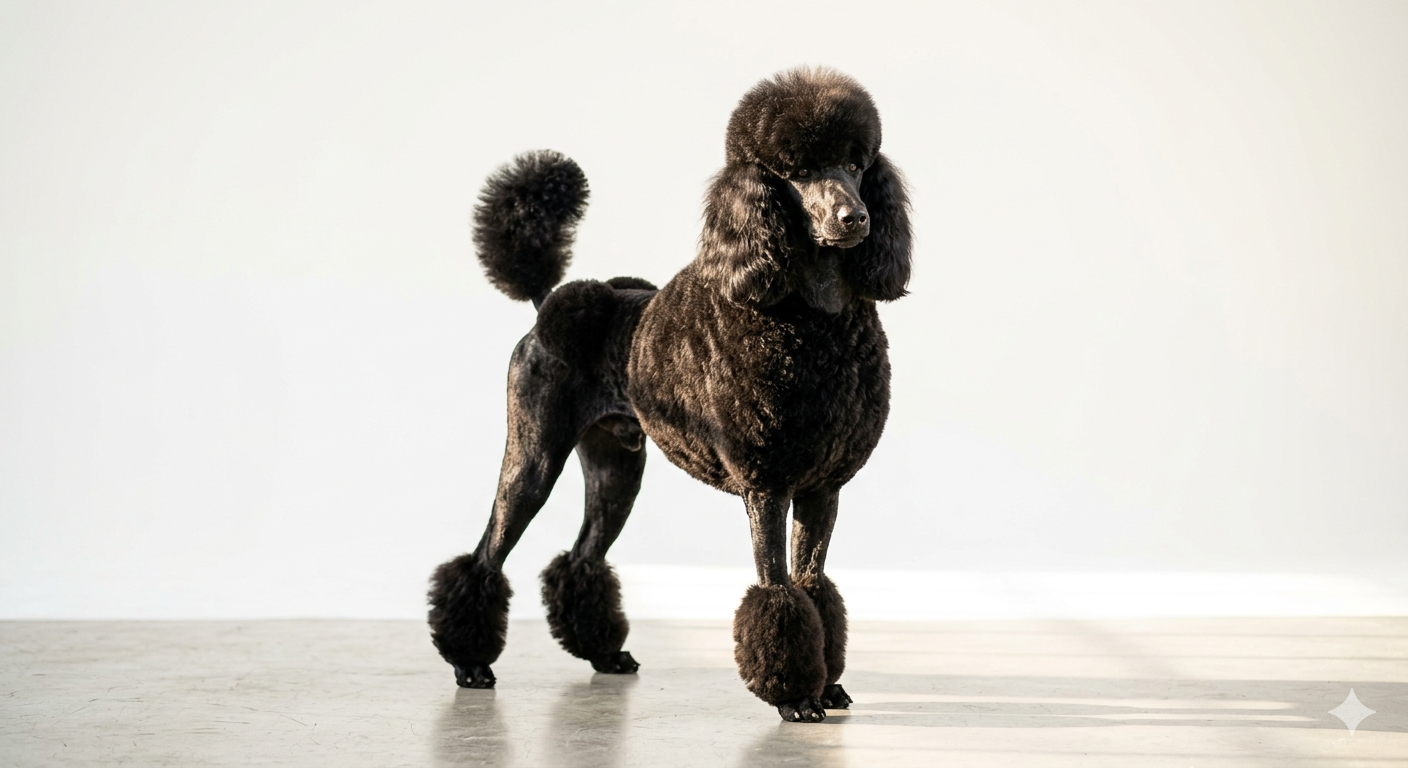
Black poodles are born with a deep, inky black coat and black points — nose, eye rims, and lips. They are born black and retain their color without fading. A true black poodle is one of the most striking solid colors in all of dogdom — the coat has a natural sheen in good light that photographs beautifully against almost any background. A true black poodle will not clear or fade. The face when shaved will be deep black. Blacks will have black points and dark brown eyes.
The most important thing to understand about black poodles is the distinction between a true black and a dog that appears black but is actually a blue or silver that has not yet begun its clearing process. At 6 weeks, look for a brownish or rusty shading at the roots of a black puppy — that is an early indicator of clearing toward silver or blue. By 18 months, the blue should be clearly visible at least on the face and feet. A true black has no such root color variation at any age.
Black is the most common solid poodle color and is found across all three size varieties — Standard, Miniature, and Toy — in equal frequency.
White — Pure, Crisp, and Deceptively Difficult to Keep
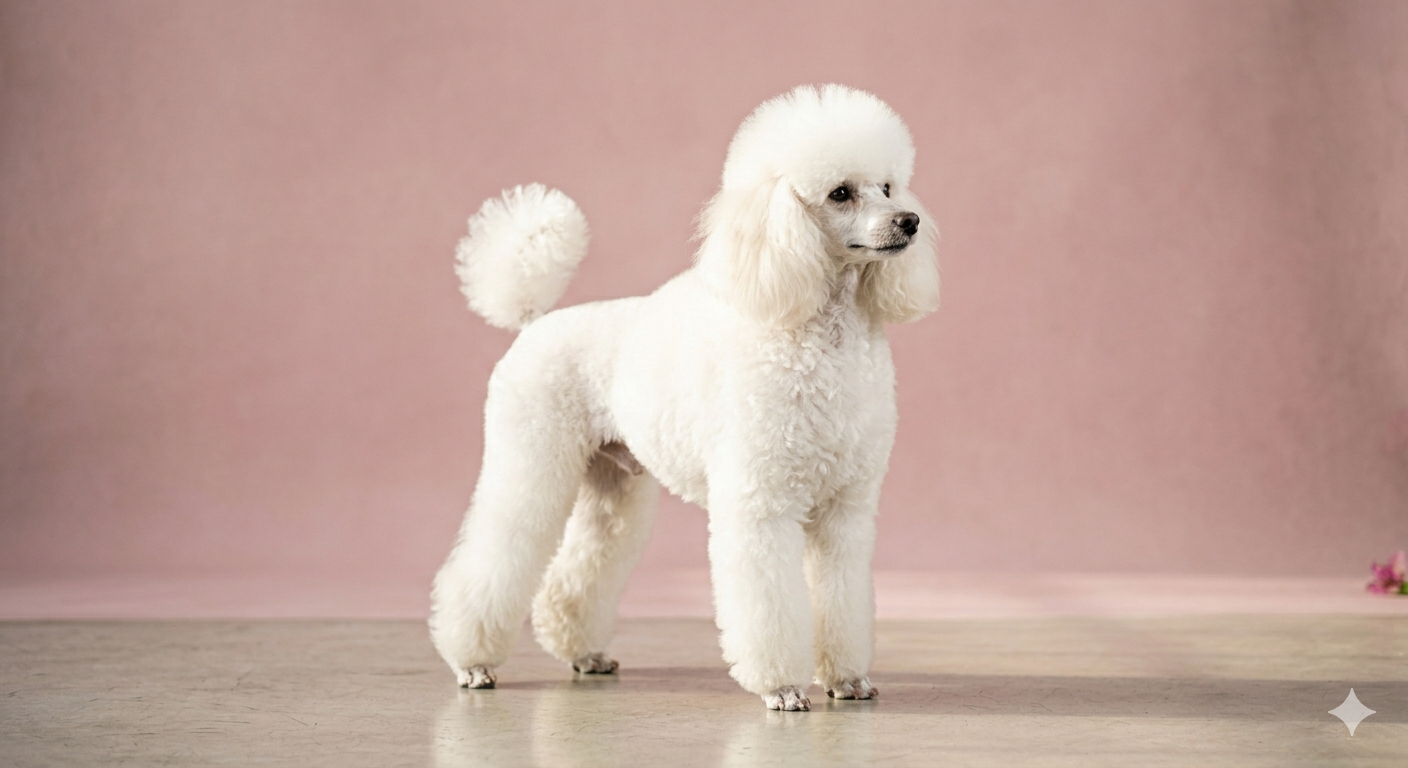
White poodles are the second most recognizable color and among the most photographed for good reason — a well-groomed white poodle is visually spectacular in a way that photographs exceptionally well against natural and indoor settings alike. White indicates the complete absence of color. White poodles have similar temperaments to other colors, and some owners and breeders prefer the white’s softer, more cottony coat texture.
The practical consideration of white poodle ownership that Pinterest photos never mention is staining. The coat around the eyes, mouth, and paws accumulates tear stains and food stains that require active daily management to prevent them from becoming permanent discoloration. This is a grooming commitment that buyers choosing white for aesthetic reasons should fully understand before committing.
Black, white, and cream poodles are generally color-stable throughout their lives, which means the white you see in the puppy photo is the white you will have for the dog’s lifetime — one of the few poodle colors that does not surprise its owner with a coat change.
Cream — The Understated Elegance Color
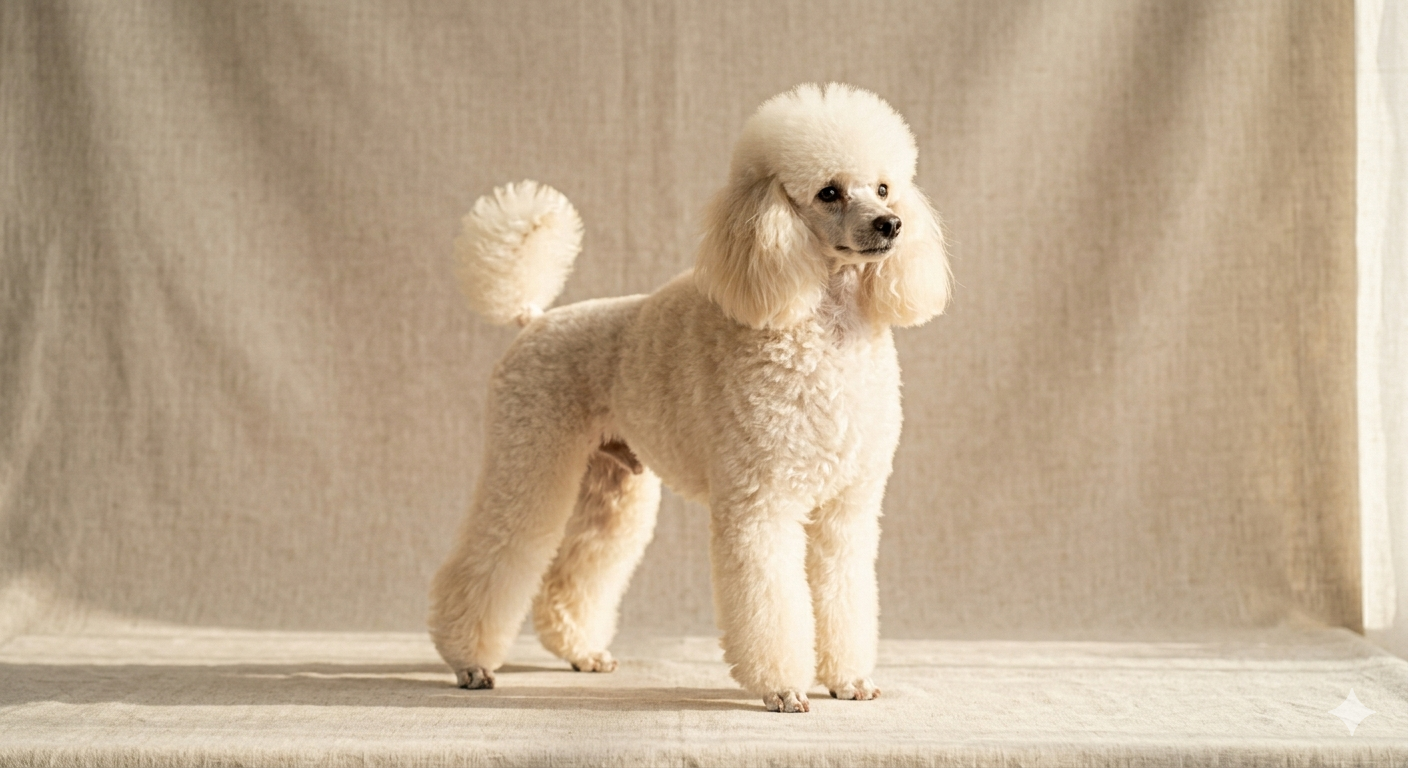
Cream poodles have a warm off-white coat that is noticeably warmer in tone than white, ranging from a very pale vanilla to a richer buttercream. The distinction between white and cream is subtle at a distance but unmistakable in good light — cream has a warmth and depth that white does not, and it photographs with a richness that many owners find more appealing than pure white.
A cream poodle is one of the few light-colored poodles that have black rather than liver-colored noses, which is an important distinguishing feature. Many cream-colored poodles are born light or even medium brown and then clear as they mature. Cream is moderately common in Toy and Miniature Poodles and tends to be stable through adulthood, making it a reliable color choice for buyers who want to avoid surprise coat changes.
Apricot — The Color That Started a Movement
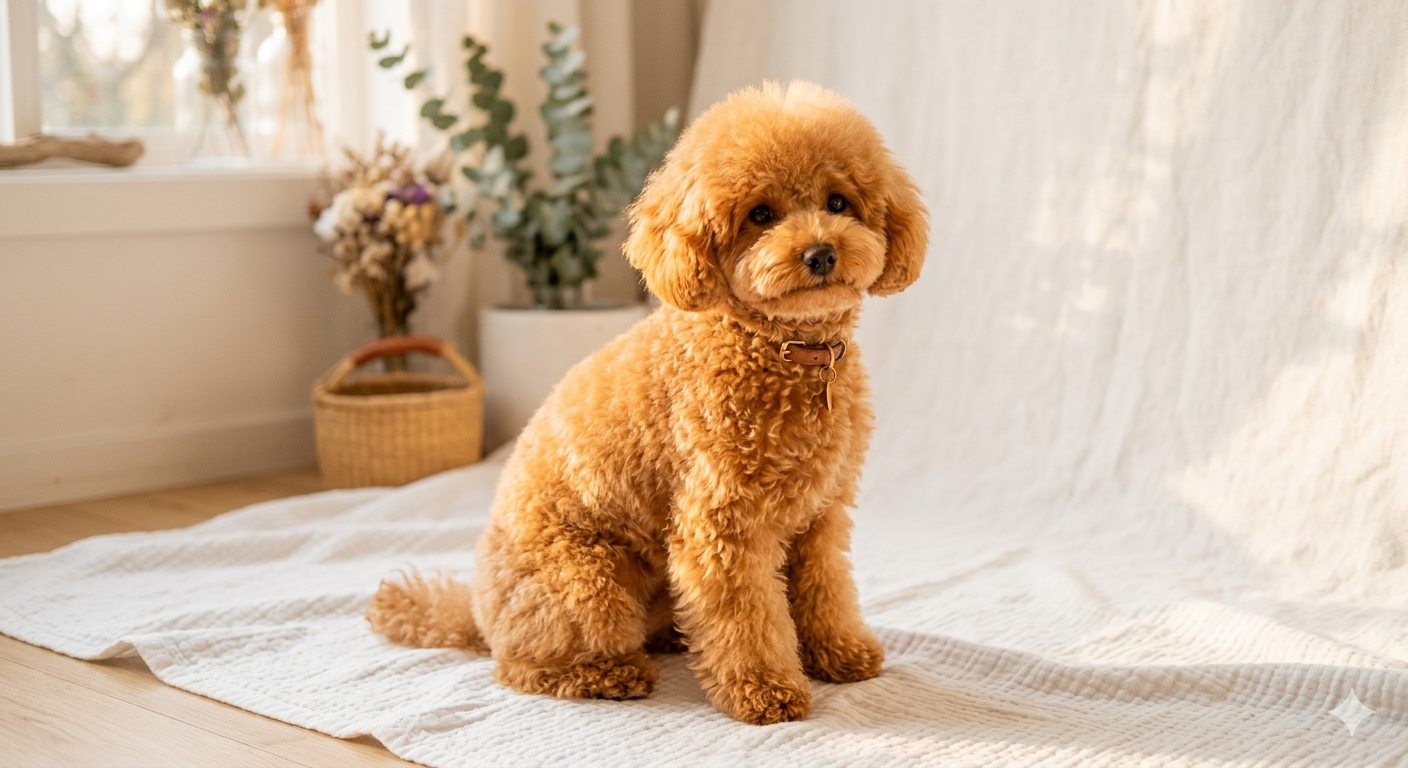
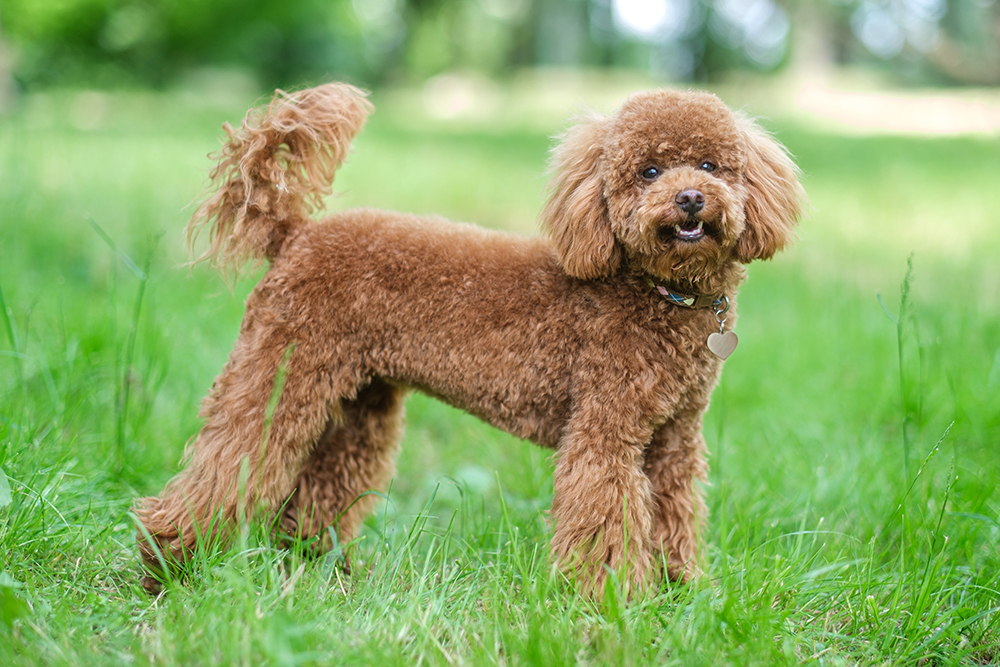
Apricot is the color that is currently driving the majority of the viral poodle content on Pinterest, Instagram, and TikTok, and for very good reason. Apricot is widely considered the rarest poodle color among the recognized solid colors. It and red were two of the last colors recorded for this breed, making them the newest officially recognized shades.
An apricot poodle’s coat ranges from a pale peachy champagne to a warm, deep apricot that approaches orange in rich natural light. The color is most vivid in puppyhood and tends to fade with age and UV exposure — many owners find that their deeply apricot puppy has softened to a pale peachy cream by their second year. Apricot and red may also fade with UV exposure. True apricots have black points — nose, eye rims, and nails — which is an important marker that distinguishes them from cream dogs with brown points.
Last year, world-famous Lionel Messi welcomed an apricot Toy Poodle named Abu into his family, which contributed significantly to the already surging popularity of this color in 2025 and 2026. Apricot Toy Poodles are among the most searched dog images on Pinterest currently, and their warm, soft colouring against almost any background makes them among the most photogenic dog colors in existence.
Red — The Rarest of the Common Colors
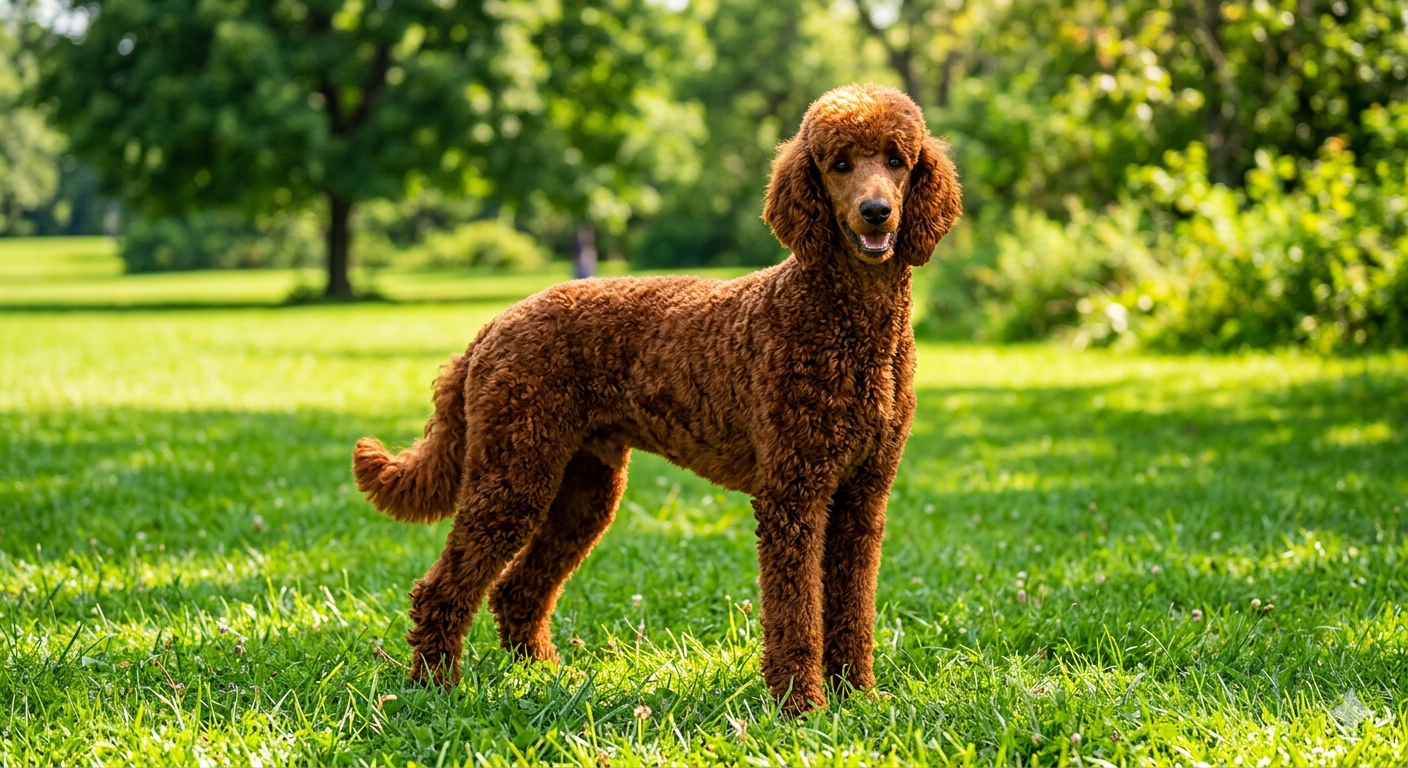
Red only became an official color in 1980, and now many breeders in Canada have come together to form the Apricot Red Poodle Club. A true red will have black points. Red poodles are more saturated and deeper in tone than apricot, where apricot is peachy and warm, red is vivid and striking, closer to a dark copper or mahogany than to any diluted orange tone.
The genetics of red are fascinating and somewhat counterintuitive — black-based poodles who are also e/e at the E locus will be red, apricot, cream, or white, but are still black-based. The spectrum from red to white is genetically identical, with the difference between them being the intensity of the phaeomelanin pigment expression. True reds are difficult to breed consistently because the intensity of the red fades rapidly through generations unless maintained with specific breeding selection.
Red puppies may end up as rust or some kind of apricot or blonde tone as they fade. A dog sold as red that becomes clearly apricot by age two was likely never a true red — true reds retain more of their depth, though all reds fade somewhat from their puppy richness.
Silver — The Transformation Color That Astonishes Every Owner
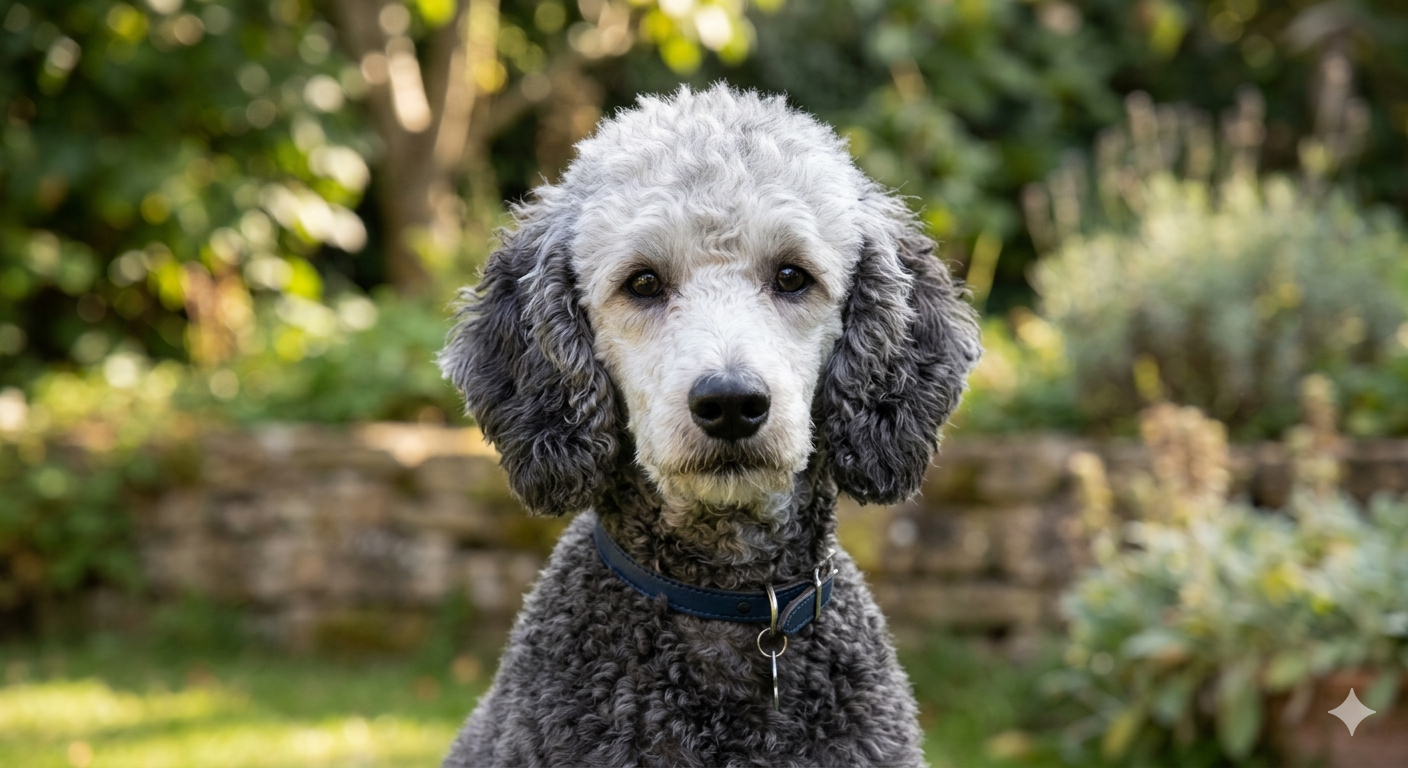
Silver is one of the most visually dramatic poodle color journeys in the breed. The coat of black poodle puppies may clear to silver or blue by the age of two. A poodle puppy could start with a blackish coat that will clear to a gray color and eventually a platinum silver color.
The fading process for silver begins around 4 to 6 weeks and takes 1 to 2 years to fully clear, resulting in a spectrum of colors. The early indicator of a silver puppy that breeders look for is a lightening that appears first on the face and paws — the classic “silver face” that emerges between weeks 4 and 6 is the reliable marker that the dog is a true silver rather than a black that will remain black. Silver and blue are related but distinct colors judged separately in AKC competition. Silver is unmistakably silver by 18 months, whereas a blue may not begin clearing until 2 years of age.
A mature silver poodle has a bright, almost metallic quality to the coat that is completely unlike any other dog breed color — it photographs with an ethereal luminosity that makes silver poodles consistently among the most saved aesthetic images on Pinterest dog boards.
Blue — The Color Most People Have Never Heard Of
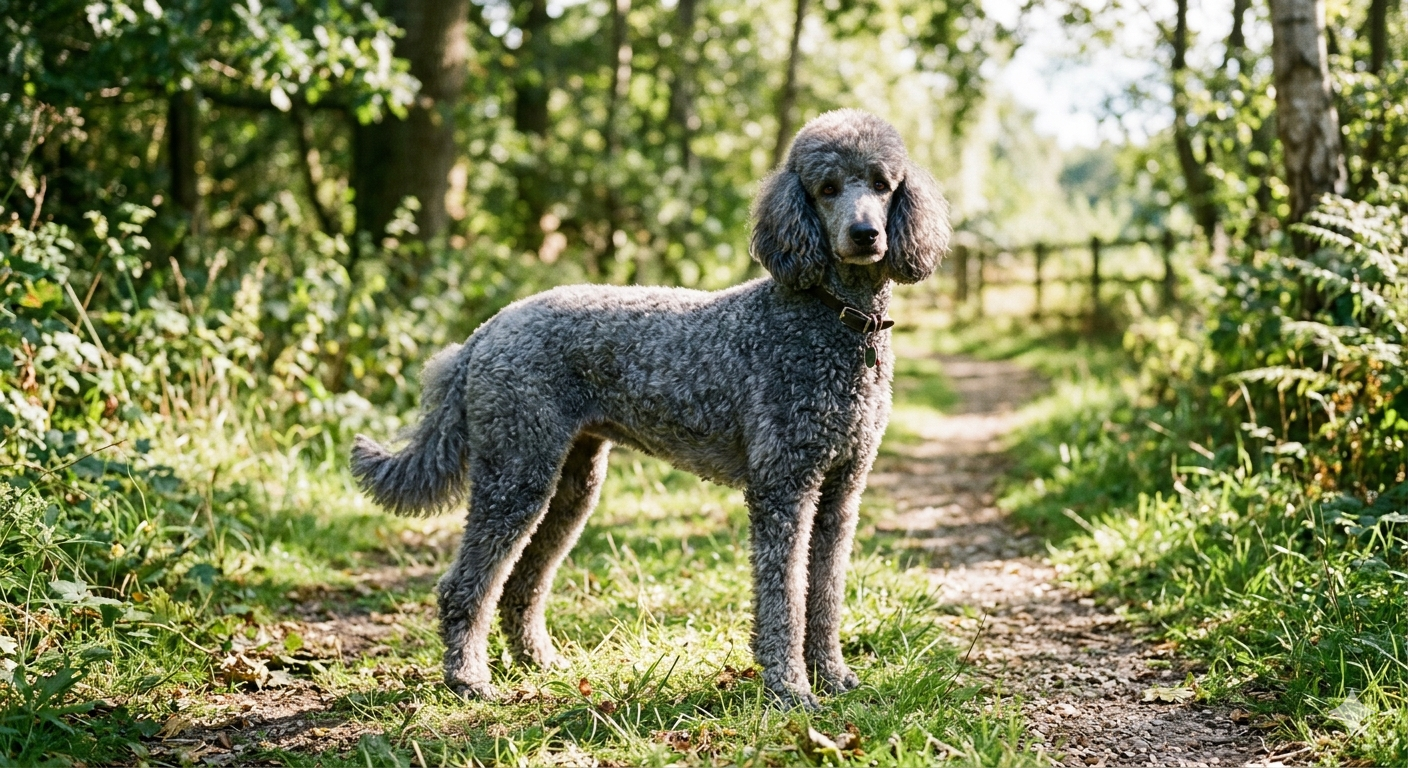
Blue is a diluted, faded black. All blue poodles are born black and then clear as they grow. This often happens within the first year, but this change can take place as late as 2 years in some cases. The outer coat of a blue poodle is usually as dark as that of a black, but hairs at the root are a mix of colors.
Blue poodles sit in a visual middle ground between black and silver — darker than silver, lighter than a true black, with a distinctive blue-grey quality to the coat that is especially visible in natural outdoor light. Blue tends to clear more slowly and settle into a darker final shade than silver. The difficulty of reliably identifying blue puppies — since all blue poodles begin as black — means many blue poodles are registered as black with their adult color confirmed later, which makes it difficult to track the true frequency of this color in breeding lines.
Gray — Settled Silver, Quiet Elegance
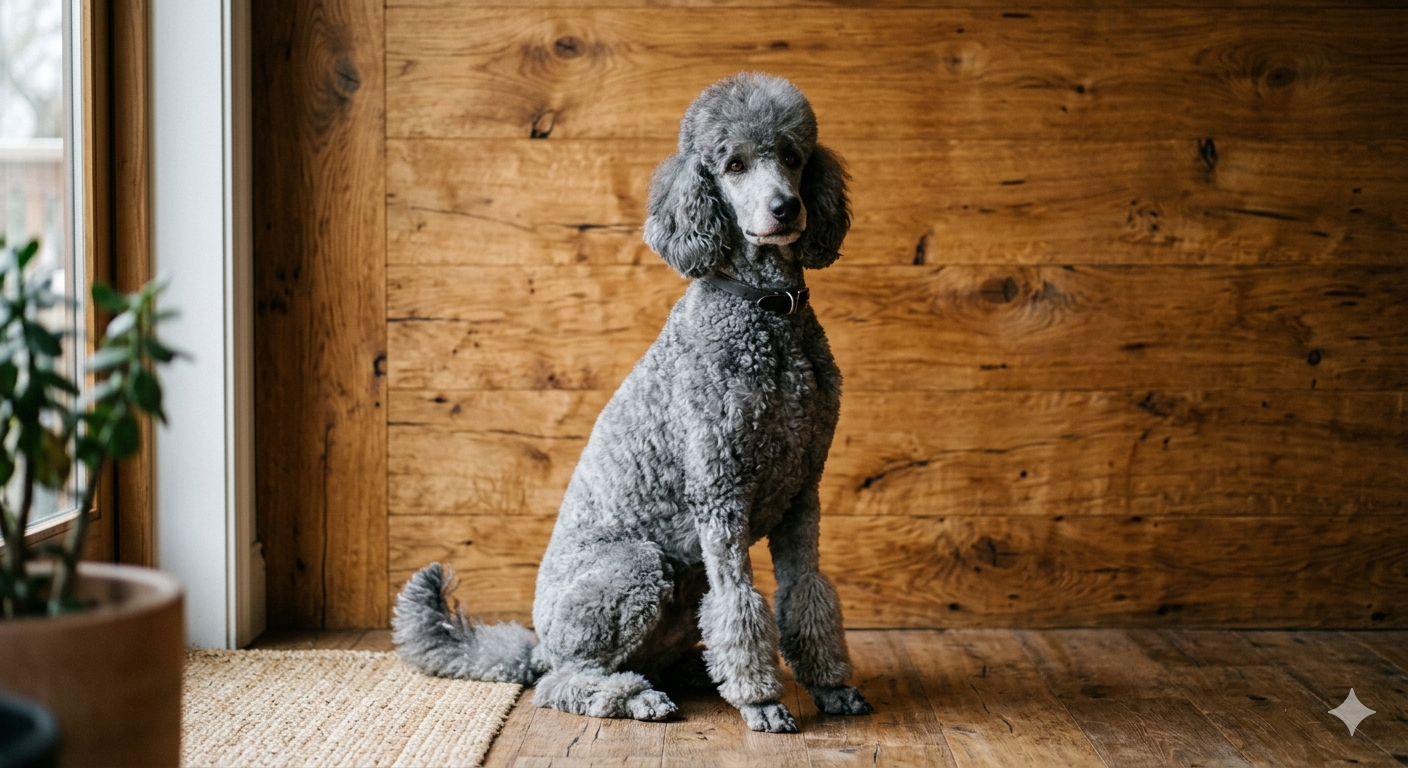
Grey poodles are the mature expression of the silver clearing process — dogs that have reached their final cleared shade and settled into a consistent grey that no longer changes. Like black, blue, and silver poodles, gray dogs should also have black noses and nails and dark-colored eyes. Gray is a less commonly sought-after color in the current market, which can make well-bred gray poodles easier to find and slightly less expensive than apricot, red, or parti dogs of equivalent quality.
Brown — Rich, Deep, and Perpetually Underrated
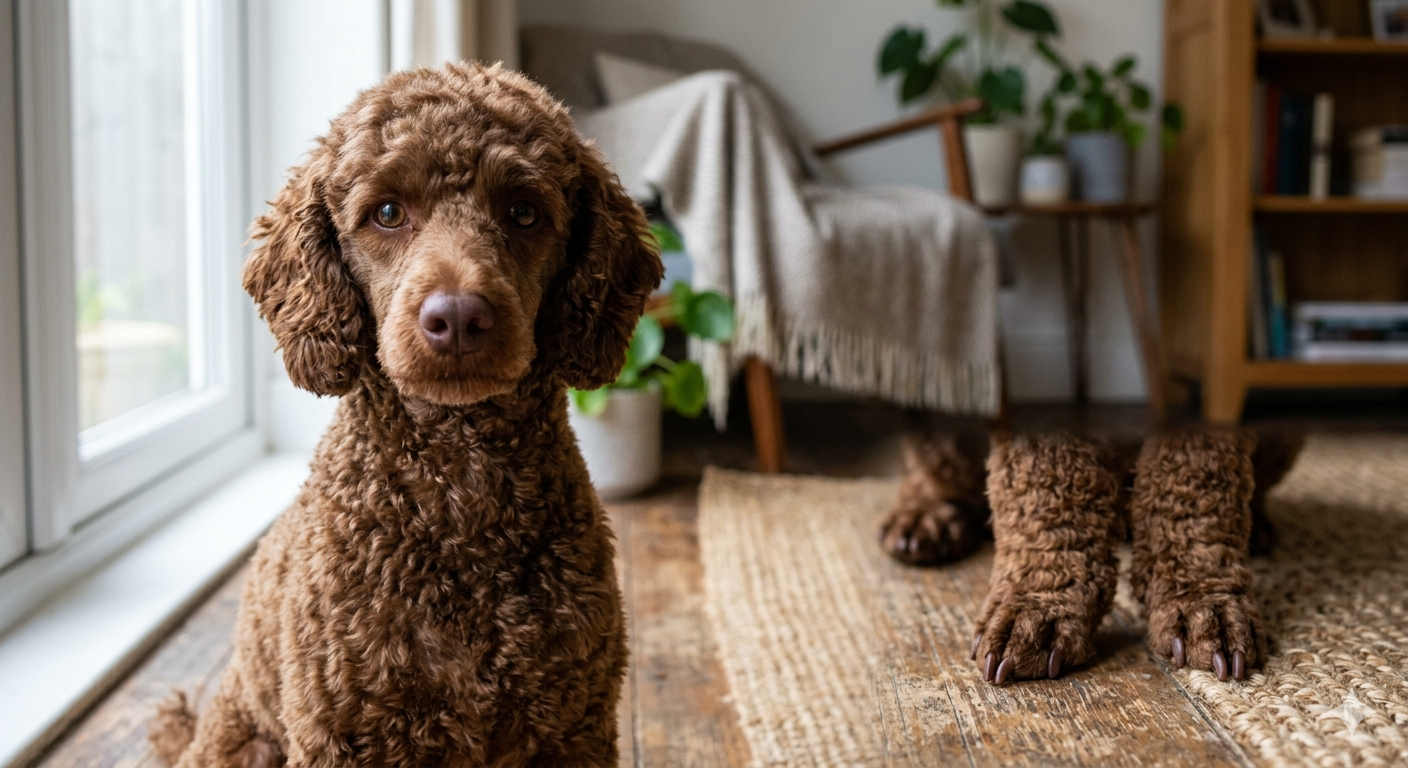
The correct terminology for brown poodles in breed circles is brown rather than chocolate — chocolate is a non-poodle breed-specific term. True brown poodles have liver-colored points — liver nose, amber eyes, liver nails — which distinguishes them from black-pointed dogs. The coat ranges from a deep, rich mahogany brown to a warmer milk chocolate tone and is one of the most consistent colors in the breed — brown puppies can become lighter brown, café au lait, silver beige, or cream as the clearing gene acts on them.
Café au Lait — The Most Misunderstood Color in the Breed

Café au lait can be so light at maturity that it is challenging to distinguish it from silver beige without precise assessment. Their faces will be noticeably lighter, and café au lait may not begin clearing until after 1 year of age. This is a diluted brown — a warm, creamy coffee-with-milk tone that carries liver points and amber eyes. It is one of the most frequently misidentified colors in the breed because buyers expect it to look like coffee-colored fur and are sometimes surprised by how pale it becomes at maturity.
Silver Beige — The Rare Diluted Brown
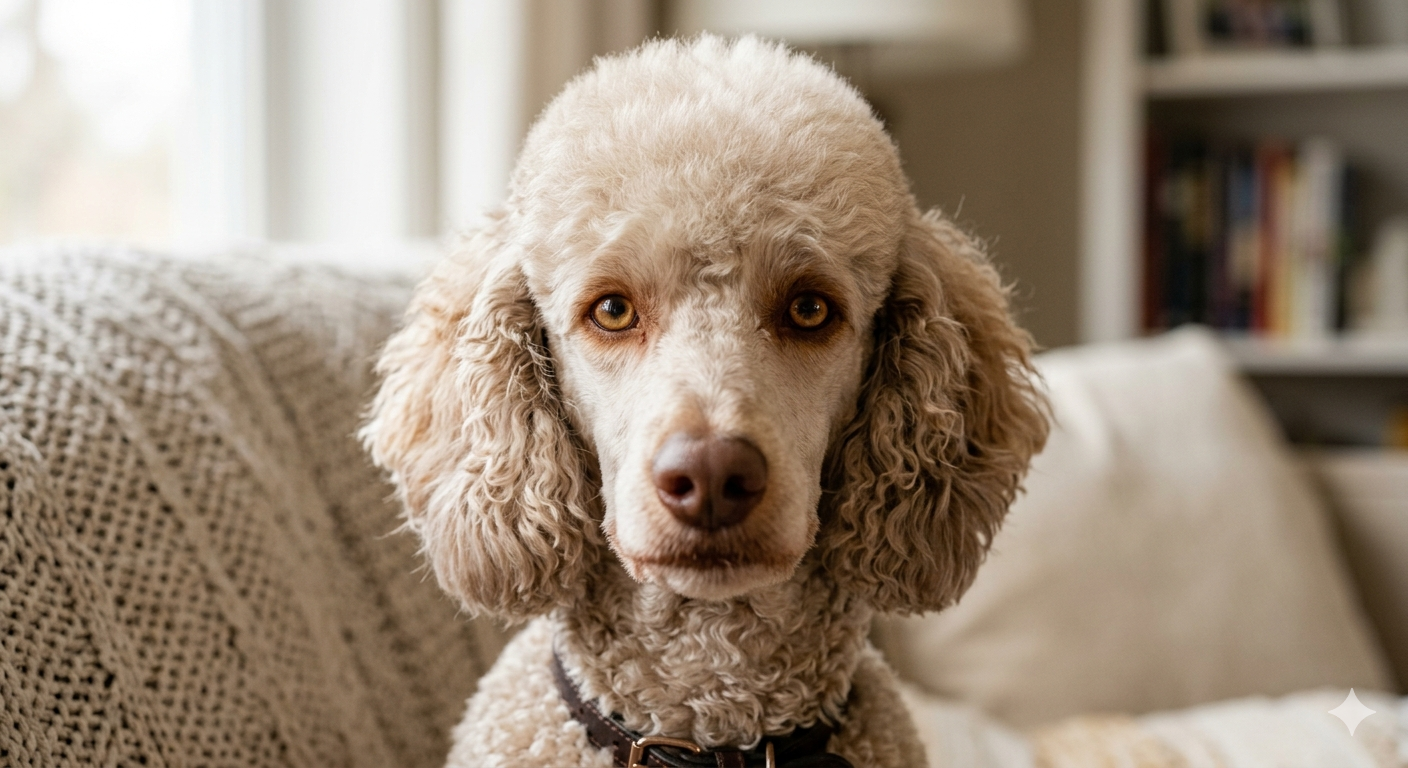
A true silver beige poodle is born brown. By 6 weeks, silver beige will appear on the face and paws, with a full coat change by the age of 2 years. The dog will have liver points and dark amber eyes. Silver beige is the brown equivalent of silver — a diluted, clear brown that produces a warm, champagne-beige tone in the adult coat. It is relatively uncommon and one of the most frequently confused colors with café au lait.
Why Poodle Color Matters Beyond Aesthetics
Colors That Fade and Colors That Stay
Black, white, and cream poodles are generally color-stable throughout their lives. Colors like silver, blue, gray, apricot, red, chocolate, and café au lait all fade or shift over the first 1 to 3 years. Some continue to light slowly throughout life.
This is the most practically important color fact for any poodle buyer to internalize before purchasing. The puppy in the breeder’s photo is frequently not the dog you will have at age three. The deeply apricot puppy may become a pale cream. The black puppy may clear to a silver. The chocolate may fade to café au lait. Understanding which colors are stable and which are clearing colors allows you to make an informed choice rather than a surprised one — and it prevents the heartbreak of a buyer who fell in love with a deep red puppy and never understood why their adult dog looks completely different.
The full guide to color changing with age is covered in the dedicated article elsewhere in this blog. Save that article alongside this one and read them together before making any purchase decision.
There Has Never Been a Bad Poodle Color — Only Colors You Did Not Know Existed Until Now
Every color in this guide is found in a healthy, purebred poodle. The rarity of a color has no relationship to the health or temperament of the individual dog. A black poodle is not healthier than a red one, and a parti poodle is not less purebred than a solid one. Color is genetics, and genetics is beautiful in every expression the poodle genome produces. Save this guide to your poodle board, share it with anyone who is about to buy a poodle and has only seen the standard two colors, and come back to the pattern guide for the parti, phantom, abstract, and merle content that takes poodle color appreciation to the next level.