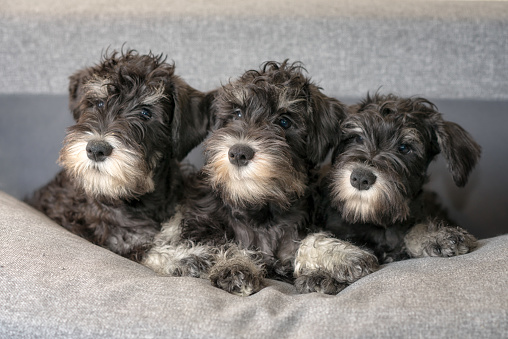
Before you fall in love with the beard and the eyebrows and the absolute personality, you need to know something important: the Schnauzer you see on Pinterest may not be the Schnauzer that fits your life. There are three Schnauzer sizes, and while they share the same iconic look, the same Germanic heritage, and the same fundamental temperament — intelligent, loyal, independent, and very much opinionated about everything — they are classified by the AKC as three completely separate breeds. They differ in size by a factor that may genuinely surprise you, in exercise requirements that range from manageable to genuinely demanding, in health vulnerabilities that require different preparations, and in the type of owner they thrive with. This guide gives you the honest, specific comparison that most breed articles skim over, so that the Schnauzer you choose is one you are genuinely prepared to live with.
The Size Reality — A Difference That Is Larger Than You Think
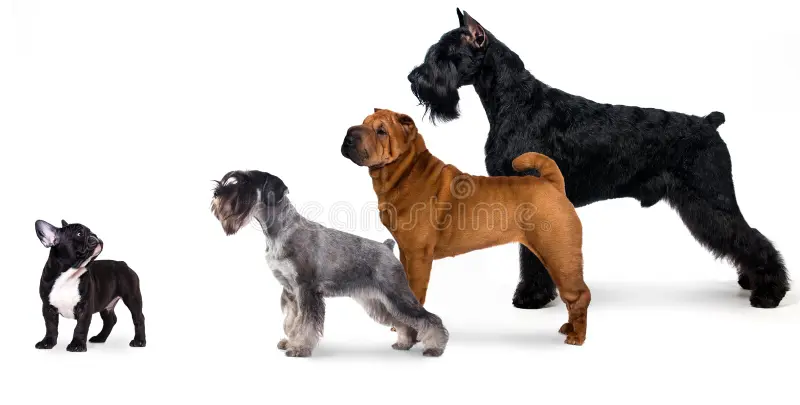
Understanding the Schnauzer size chart is critical for preparing for your dog’s adult life, as the weight difference between the smallest and the largest can exceed 70 pounds.
Let that number sit for a moment. Seventy pounds of difference between three dogs that share the same name and the same distinctive face. Here are the actual numbers:
The Miniature Schnauzer stands between 12 to 14 inches at the shoulder and weighs 11 to 20 pounds. The Standard Schnauzer is between 17 to 20 inches tall. Males weigh between 35 and 50 pounds, while females weigh between 30 and 45 pounds. The Giant Schnauzer stands between 23 to 28 inches tall and can weigh anywhere from 55 to 85 pounds or more.
This means a Giant Schnauzer and a Miniature Schnauzer sharing the same name and the same general appearance can differ by as much as 75 pounds — roughly the difference between a small Labrador and a lap dog. If you picture the dog on Instagram and then see the dog in person for the first time, this is the detail that catches most buyers by surprise. Know the numbers before you fall in love with the face.
Temperament — Same DNA, Different Expressions
All three breeds share the core Schnauzer personality: intelligent, alert, loyal to their family, watchful, vocal, and possessed of a self-confidence that borders on the philosophical. But the specific expression of these traits varies enough between sizes to matter significantly for your daily life.
The Miniature Schnauzer personality is larger than life. They’re curious, lively, and confident dogs that love being the centre of attention. While they might be the smallest of the bunch, they’re definitely not the quietest, and don’t like being treated like a toy either. The Mini is the most family-adaptable of the three — equally comfortable in apartments or houses, happy with children, manageable for first-time dog owners who are willing to invest in training. Their spunkiness is endearing, and their energy, while real, is containable within a daily walk and play session schedule.
The Standard Schnauzer is the original and is the perfect combination of all three. Their temperament is more independent and protective than the Miniature’s, but they still retain a playful, lively spirit. The Standard is considered the parent breed from which both the Mini and the Giant were developed, and it shows — this is a dog with the most balanced profile across all three sizes. Not as portable as the Mini, not as physically demanding as the Giant. Bred as ratters, hunters, and farm watchdogs in Germany, they’re natural guardians that won’t be making friends with the postman anytime soon.
Giant Schnauzers require more physical exercise but make excellent guard dogs, characterized by a loving nature toward their families. The Giant is categorically a different ownership proposition from the other two. This is a working-dog-sized dog with a working-dog-sized need for physical and mental engagement. As a larger and more powerful breed, the Giant Schnauzer needs high levels of physical and mental exercise. Their energy levels are higher. Bored or destructive without enough stimulation and exercise.
Exercise Requirements — The Most Practically Important Difference
This is where the comparison most directly affects your daily life, and where the most mismatches between owner and breed occur. Be honest about what you will actually do on a cold Tuesday in January before choosing your size.
Miniature Schnauzer: Despite their small stature, Miniature Schnauzers are quite energetic. They require moderate exercise to stay healthy and happy. A daily walk, along with some playtime, will usually suffice. They are also quite happy to play indoors, so they make great pets for apartment dwellers, provided they get enough mental stimulation. This is the Schnauzer for the owner who has 30 to 45 minutes of genuine daily exercise to offer and a home that provides enrichment and mental engagement through training and play.
Standard Schnauzer: The Standard Schnauzer, with its working background, is an active dog that needs regular, vigorous exercise. Daily walks, runs, and opportunities to engage in play and mental activities like agility or puzzle games will help keep them fit. Plan for 60 to 90 minutes of real daily exercise — not a slow neighbourhood stroll but purposeful physical activity. A yard helps. A running partner is better.
Giant Schnauzer: Giant Schnauzers have the highest energy demands and need intense daily exercise, including structured training, running, and advanced obedience work. The Giant is for the active owner. Not the “I intend to be more active” owner. The owner is already active and wants a dog that keeps up with a real outdoor lifestyle. Without this commitment, the Giant Schnauzer becomes a very large, very vocal, very destructive housemate.
Living Situation — Which Size Fits Your Home
Miniature Schnauzers are quite happy to play indoors, making great pets for apartment dwellers. The Mini is the only Schnauzer size that genuinely works in apartment living without significant compromise, and it requires consistent daily walks and mental stimulation even in that context.
Standard Schnauzers need more space. They do better in houses with yards. Their larger size and higher energy levels require more room to move around.
The Giant Schnauzer requires not just space but active space — a fenced yard large enough for real movement and an owner with the time and commitment to fill their exercise needs. A Giant Schnauzer in a small apartment with an owner who works long hours is not a match that ends well for anyone involved.
Health — Different Sizes, Different Vulnerabilities
Miniature Schnauzers typically live 12–15 years and may be more prone to pancreatitis, bladder stones, and hyperlipidemia, so a balanced diet and regular veterinary monitoring are essential. The Mini’s diet is genuinely important — high-fat foods, rich treats, and table scraps have a direct and documented connection to pancreatitis in this breed. Low-fat diet management is a lifetime commitment.
The Standard Schnauzer is generally a hardy breed but can suffer from hip dysplasia, diabetes, and skin allergies. The average Standard Schnauzer lives between 13 and 16 years — one of the longer lifespans in the medium-dog category.
Being a large breed, Giant Schnauzers are more prone to hip dysplasia, bloat (gastric torsion), and heart issues. Their larger size means they have a shorter lifespan compared to the smaller breeds, with an average lifespan of around 10 to 12 years. Gastric torsion — a life-threatening emergency condition — is a specific risk for deep-chested large breeds, including the Giant. Knowing the signs, feeding practices that reduce the risk, and having an emergency veterinary plan in place are part of responsible Giant Schnauzer ownership.
Grooming — The One Area Where Size Changes the Workload
All three Schnauzer sizes require the same foundational grooming approach: regular brushing, professional clipping or hand-stripping every 6 to 8 weeks, beard maintenance, ear cleaning, and nail trimming. The primary difference in the grooming needs of Standard and Giant Schnauzers is that Giant Schnauzers require more labor-intensive grooming because of their larger size. More surface area means more time, more shampoo, more coat to brush through, and higher professional grooming costs per session. This is a practical financial consideration that scales directly with the size you choose.
The Question Every Buyer Needs to Answer Honestly
In the end, there is no single “best” Schnauzer size — what matters most is finding the Miniature, Standard, or Giant Schnauzer that truly fits your home, energy level, and experience.
Here is the honest self-assessment: Are you an apartment dweller who wants a smart, confident companion with manageable exercise needs? The Miniature is your dog. Do you want the most balanced profile — medium size, moderate to high exercise, classic Schnauzer temperament without the extremes of either end? The Standard is your dog. Do you have an active lifestyle, experience with large working breeds, a home with real space, and the commitment to 90 minutes of real daily exercise? The Giant is your dog.
Choose the right one and the Schnauzer personality — that extraordinary combination of intelligence, loyalty, protectiveness, and unapologetic confidence — will be one of the great relationships of your life. Choose the wrong size for your situation, and the same traits that make Schnauzers exceptional become the things that make your daily life challenging. Know the difference before you choose.