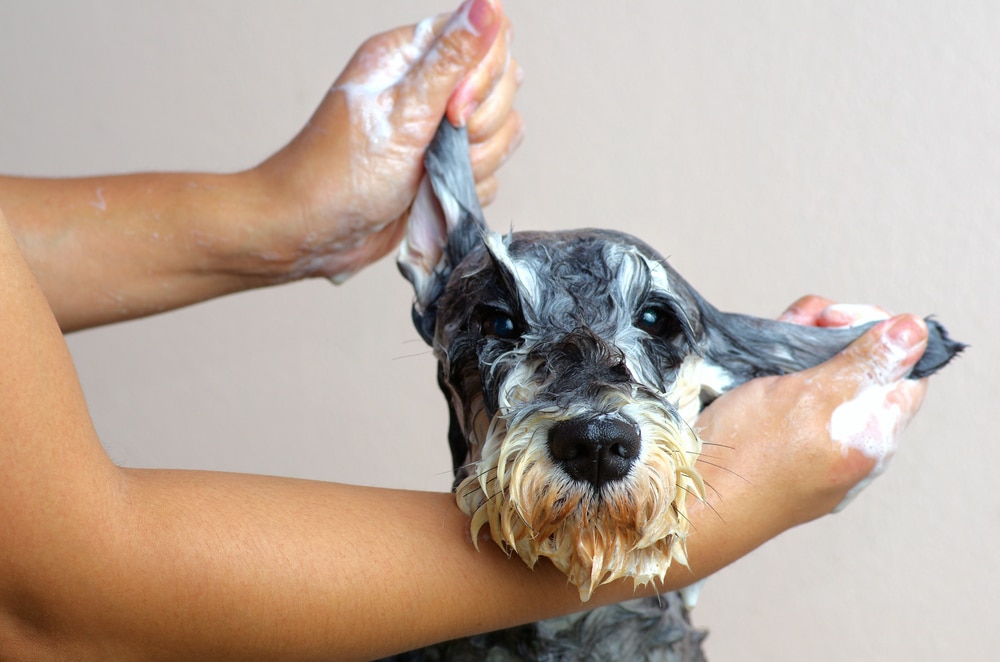
You love your Miniature Schnauzer’s coat. The eyebrows. The beard. The leg furnishings. The whole dapper, expressive silhouette that makes Schnauzers one of the most recognizable breeds in the world. What you may not know is that this specific coat — a wiry double-layered structure that does not shed naturally and requires specific maintenance techniques — is one of the most commonly mishandled coats in the pet grooming world. Not because Schnauzer owners are careless. Because the instructions that come with a Schnauzer puppy are rarely specific enough about what this coat actually needs, and the consequences of the wrong approach are invisible at first and significant later. These are the ten grooming mistakes that are most commonly made by well-intentioned Miniature Schnauzer owners — and the specific corrections that prevent the coat damage, skin irritation, and unnecessary expense they cause.
Mistake 1 — Bathing Before Brushing
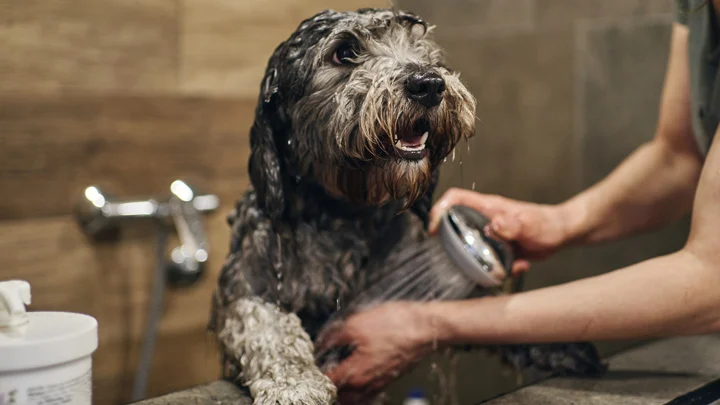
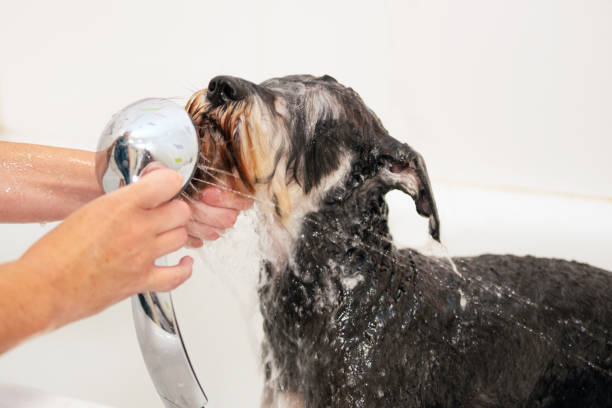
This is the most common and most immediately damaging grooming mistake in the Miniature Schnauzer owner community, and it is made because the sequence seems counterintuitive — why brush before the bath when the bath is what cleans? Mats and dead hairs tighten once they get wet. Bathing without brushing first makes them almost impossible to loosen and can cause skin irritation.
When mats get wet, they tighten up like tiny fur handcuffs, becoming nearly impossible to remove without significant cutting. What could have been brushed off in ten minutes becomes a major ordeal. Always brush thoroughly through the entire coat with both a slicker brush and a metal comb before placing your Schnauzer in the bath. If you find mats during this pre-bath check, work them out with your fingers and a detangling spray before adding water. The five to ten minutes of pre-bath brushing saves hours of post-bath mat removal.
Mistake 2 — Using Human Shampoo or Dish Soap
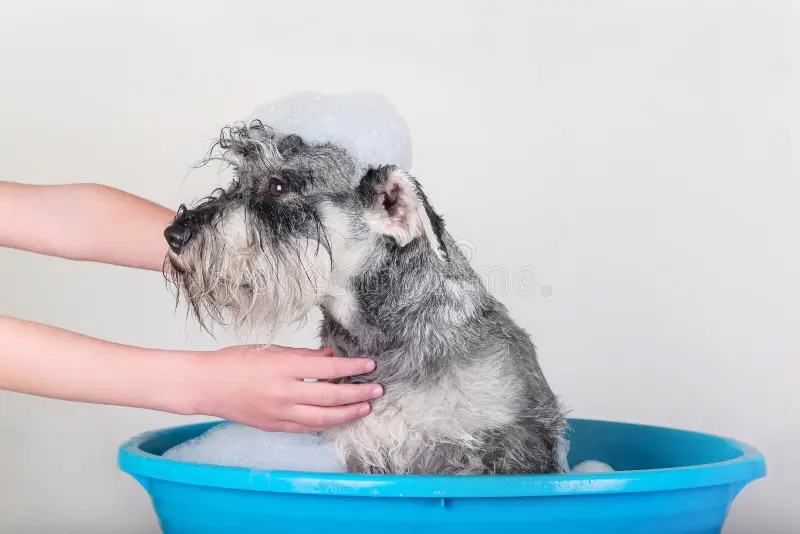
Your fancy salon shampoo is not appropriate for your schnauzer, no matter how expensive it was. Dogs have different skin pH levels from humans, and using human products can cause dryness, irritation, and skin problems.
Human shampoos are formulated for a scalp pH of approximately 5.5. Dog skin has a pH of approximately 7.5. This difference seems technical, but its consequences are visible and felt — human shampoo used regularly on a Schnauzer disrupts the skin’s acid mantle, the natural protective barrier that keeps bacteria and yeast at manageable levels. The result is exactly the chronic itching, dandruff, skin redness, and recurring infections that owners sometimes attribute to allergies when the cause is the shampoo.
For schnauzers, look for products designed for wiry coats. Some owners prefer texturizing shampoos that help maintain that characteristic harsh coat texture. Avoid anything too moisturizing, which can soften the coat and change its appearance. Over-moisturizing shampoo destroys the wiry texture of the Schnauzer top coat, producing a soft, cotton-like surface that mats dramatically faster and loses the distinctive breed appearance that makes the coat so characteristic.
Mistake 3 — Skipping the Metal Comb
A slicker brush gets the credit in most Schnauzer grooming guides. The metal comb deserves equal billing and rarely receives it. A slicker brush moves through the outer surface of the coat beautifully and looks effective. It does not consistently reach the undercoat in the densest areas — behind the ears, in the armpits, along the belly, and through the leg furnishings. The metal comb, run through the coat after the slicker brush, finds the tangles and mats that the brush glided over.
Brushing helps prevent matting and allows better air circulation, reducing the chances of moisture buildup. The complete brushing sequence is: slicker brush through the entire coat, then metal comb through every area — especially the five problem zones: behind both ears, both armpits, and the belly. If the comb snags, there is a mat that the brush missed. Work it out with your fingers or a detangling spray before proceeding.
Mistake 4 — Trimming the Eyebrows or Beard Too Short
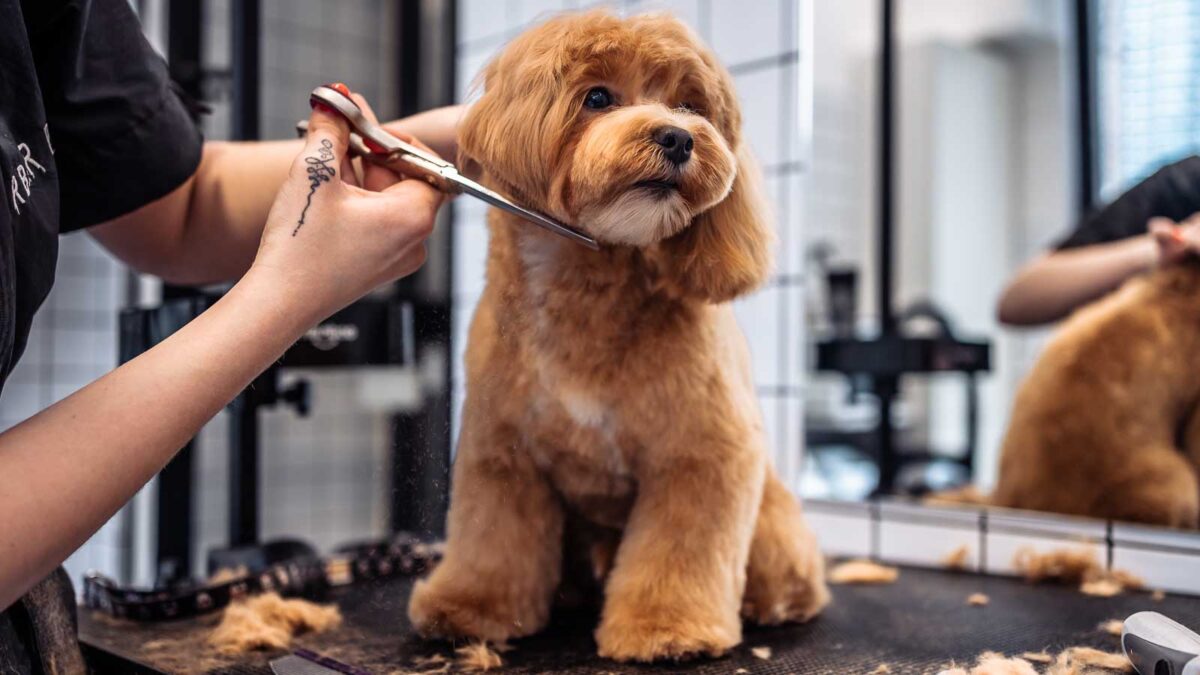
Trimming the eyebrows or beard too short takes away the breed’s distinctive expression and makes it harder to shape the face into the classic Schnauzer cut. This sounds cosmetic, but it is actually a longer-term grooming complication — eyebrows and beard that have been cut too short require months of regrowth to return to a shapeable length, during which the face has an expression that experienced Schnauzer owners and groomers describe as “wrong” without being able to articulate exactly why. The iconic Schnauzer expression — the bushy brows that communicate emotion, the beard that creates the characteristic muzzle shape — depends on specific hair length that shortcuts in trimming can take months to restore.
Leave significantly more length than you think looks right. The Schnauzer face is one where the photography always reveals length you did not notice was missing when you were looking at the dog in person.
Mistake 5 — Waiting Too Long Between Grooming Appointments
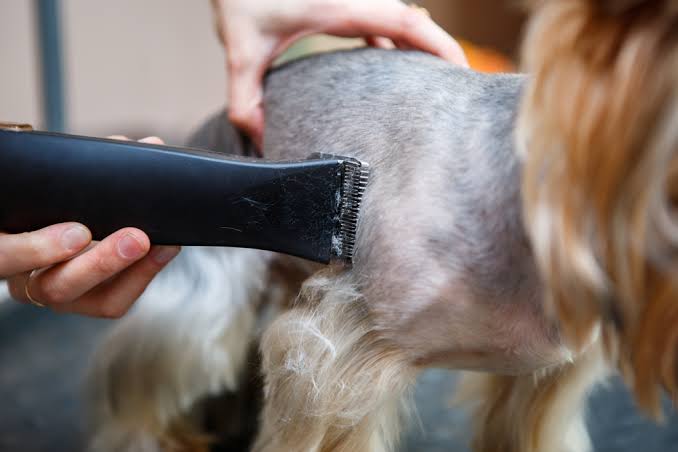
To best maintain a healthy coat and keep your Miniature Schnauzer looking handsome, you should give them a haircut or take them to the groomer every five to eight weeks. Most people interpret this as a range from which they can comfortably choose the longer end. In practice, Schnauzer coat growth means that at ten or twelve weeks the coat is not just longer — it has begun to matt in the friction zones, the beard has accumulated weeks of food and moisture residue, and the leg furnishings have tangled in ways that significantly extend the grooming appointment.
Consistency prevents small problems from becoming big ones. A tiny mat caught early takes seconds to address. That same mat left for two weeks becomes a painful removal process. The six-to eight-week window is the practical maintenance schedule for a Schnauzer whose home grooming between appointments — brushing three times per week, beard cleaning daily — is consistent. A Schnauzer whose home grooming is inconsistent needs professional appointments every five weeks.
Mistake 6 — Clipping Instead of Hand-Stripping Without Understanding the Difference
A haircut changes the structure of the wool, making it soft and prone to tangling. This is the grooming distinction that divides the Schnauzer community most genuinely: hand-stripping versus clipping. Hand-stripping removes dead hair from the coat by pulling it out at the root, which preserves the wiry texture and vibrant color of the top coat. Clipping cuts the hair shaft at the surface, leaving the root in place — which produces a softer, more cotton-like texture in the regrowth.
For show dogs, hand-stripping is not optional. For pets, clipping is entirely acceptable, and most professional groomers default to it because it is faster and more comfortable for most dogs. The mistake is not choosing clipping — it is choosing clipping without understanding that the resulting coat will feel and look different from the wiry breed standard and will mat somewhat more readily in the leg furnishings and beard. Know the trade-off before deciding.
Mistake 7 — Over-Brushing With a Slicker Brush
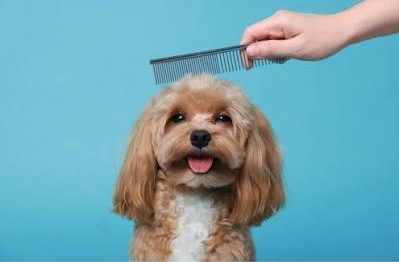
Slicker brushes have small, metal bristles that can easily lead to skin trauma if overused or not used properly. Grooming your Schnauzer too little can lead to mats and tangles, which can lead to discomfort, pain, and even severe skin infections.
This is the mistake that arises from devotion — the owner who brushes their Schnauzer daily out of love and attention ends up creating brush burn on the skin beneath, because the metal pins of a slicker brush against skin repeatedly produce the same friction damage as scrubbing skin with a wire brush. The correct technique is to brush the coat rather than the skin — keep the brush in the coat, work in sections, and never drag the brush across bare skin. If your Schnauzer flinches or the skin beneath the coat looks pink after brushing, your pressure is too hard, or your brush is contacting skin.
Mistake 8 — Neglecting the Transition Coat Period
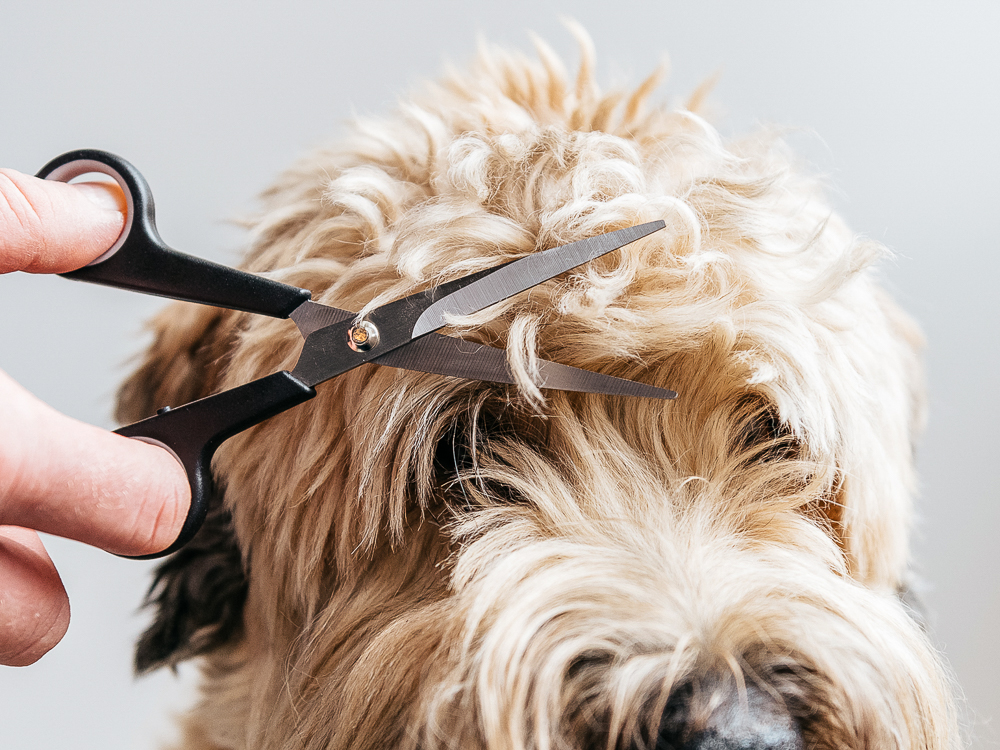
Between the ages of one and 15 months, a Schnauzer will begin to develop its adult coat, so it’s advisable to brush it every day during this period to prevent their puppy hair from tangling up and matting with their newly grown adult hair.
The transition from puppy coat to adult coat is the single most mat-prone period in a Schnauzer’s grooming life. The outgoing puppy coat and the incoming adult coat have different textures and shed at different rates, and the two layers together create conditions for severe tangling that daily brushing is barely sufficient to manage. Missing this period — treating the dog the same as before the coat transition begins — produces mats that require professional shaving to remove and months of regrowth to recover from. If your Schnauzer is between 12 and 18 months old and you are not brushing daily, start today.
Mistake 9 — Bathing Too Often
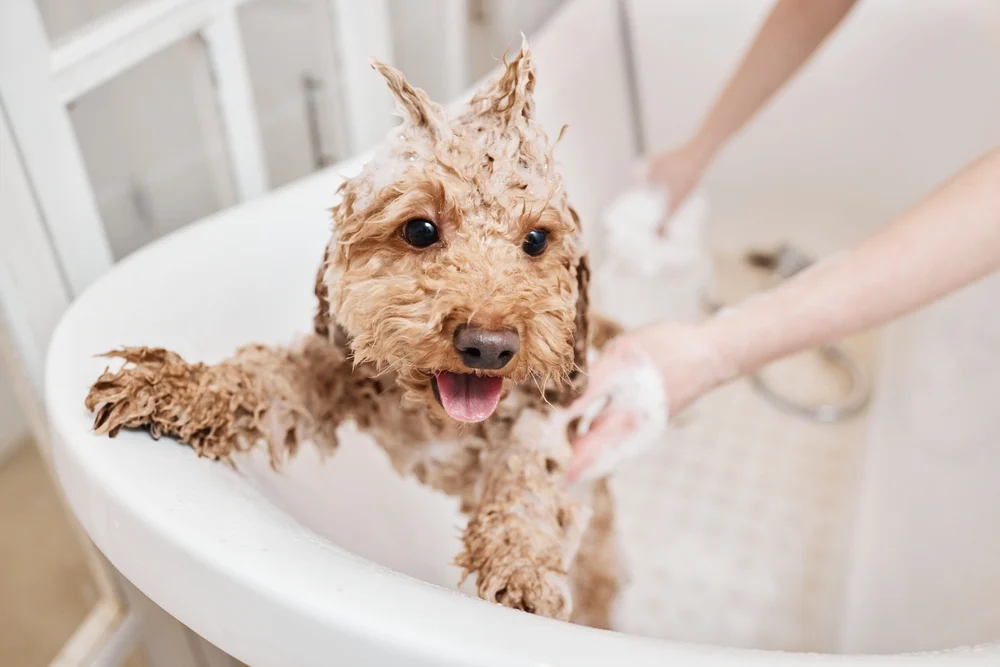
As a general rule, this breed should be bathed once a month if necessary, using a dog-friendly or breed-specific shampoo. As with all breeds, try to avoid over-bathing your dog, as this can strip the coat of its oils and cause the skin to dry out.
Every bath removes not just dirt and debris from the coat — it removes the natural sebum that keeps the top coat wiry and the skin’s natural oils that maintain the acid mantle. A Schnauzer bathed weekly develops dry, flaky skin and a softened coat that mats more readily than a coat maintained with monthly bathing and between-bath spot cleaning. The beard and paws can be wiped daily without full bathing — and should be. The full bath every four to six weeks is the correct frequency for the overall coat.
Mistake 10 — Skipping Nail Trims Because the Dog Walks on Pavement
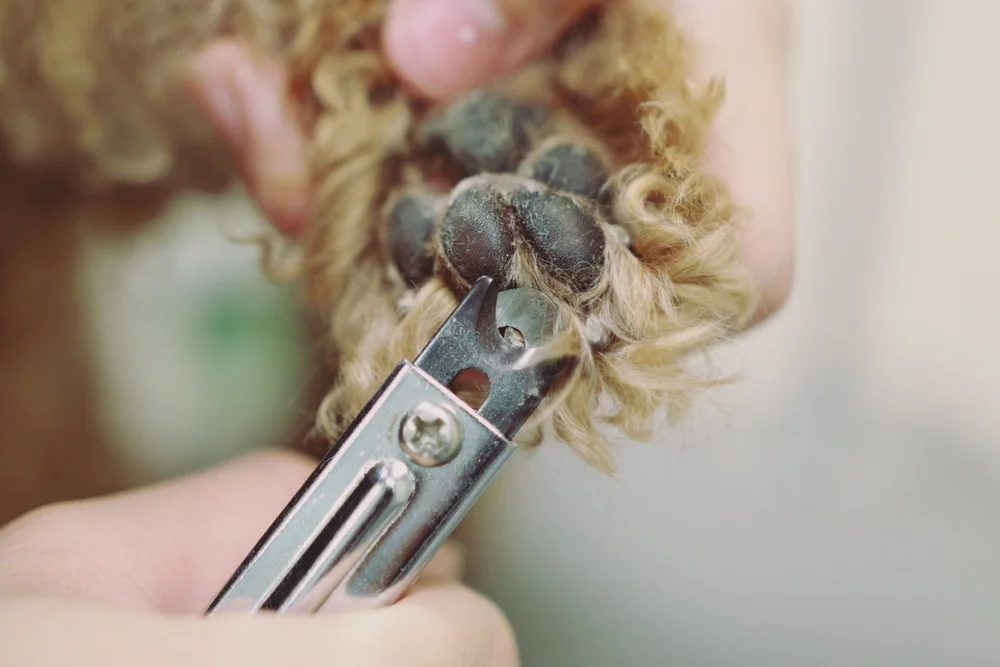
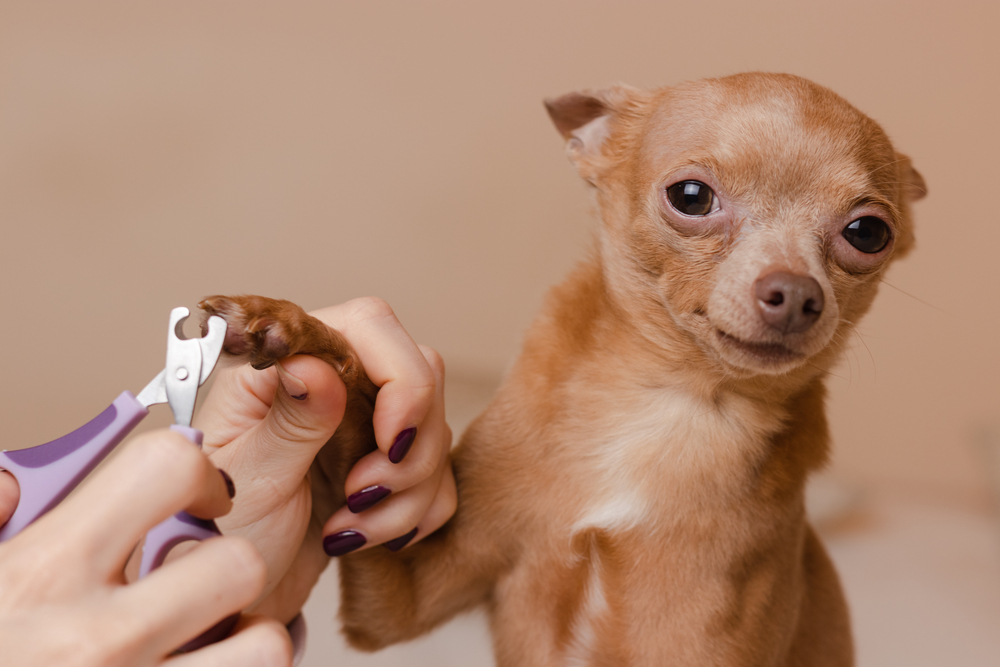
You can skip nail trims since they walk on pavement. Walking on hard surfaces helps wear down nails naturally, but it doesn’t replace regular nail trims entirely. Long nails can lead to discomfort and even affect your dog’s posture and gait.
Overgrowth of the nails can lead to pain and joint damage in the feet and legs, and broken nails can be painful and become infected. A Miniature Schnauzer with overgrown nails shifts weight to compensate for the uncomfortable contact angle of too-long nails on the ground, which over months and years contributes to the paw, leg, and joint strain that is far more expensive to address than a monthly nail trim. Trim every three to four weeks, or have your groomer include it in every appointment.
The Coat Your Schnauzer Deserves Is Not Much Further Away Than a Better Routine
Every mistake on this list is reversible. Damaged coat texture from clipping grows back. Overly short eyebrows grow back. Mats that formed during a skipped appointment are removed at the next one. The correction that cannot be made — the one that requires preventive rather than reactive action — is the skin damage from the wrong products and the coat trauma from months of incorrect brushing technique. Start there. Fix those two things first. Everything else falls into a correct routine more naturally once the foundation is right.