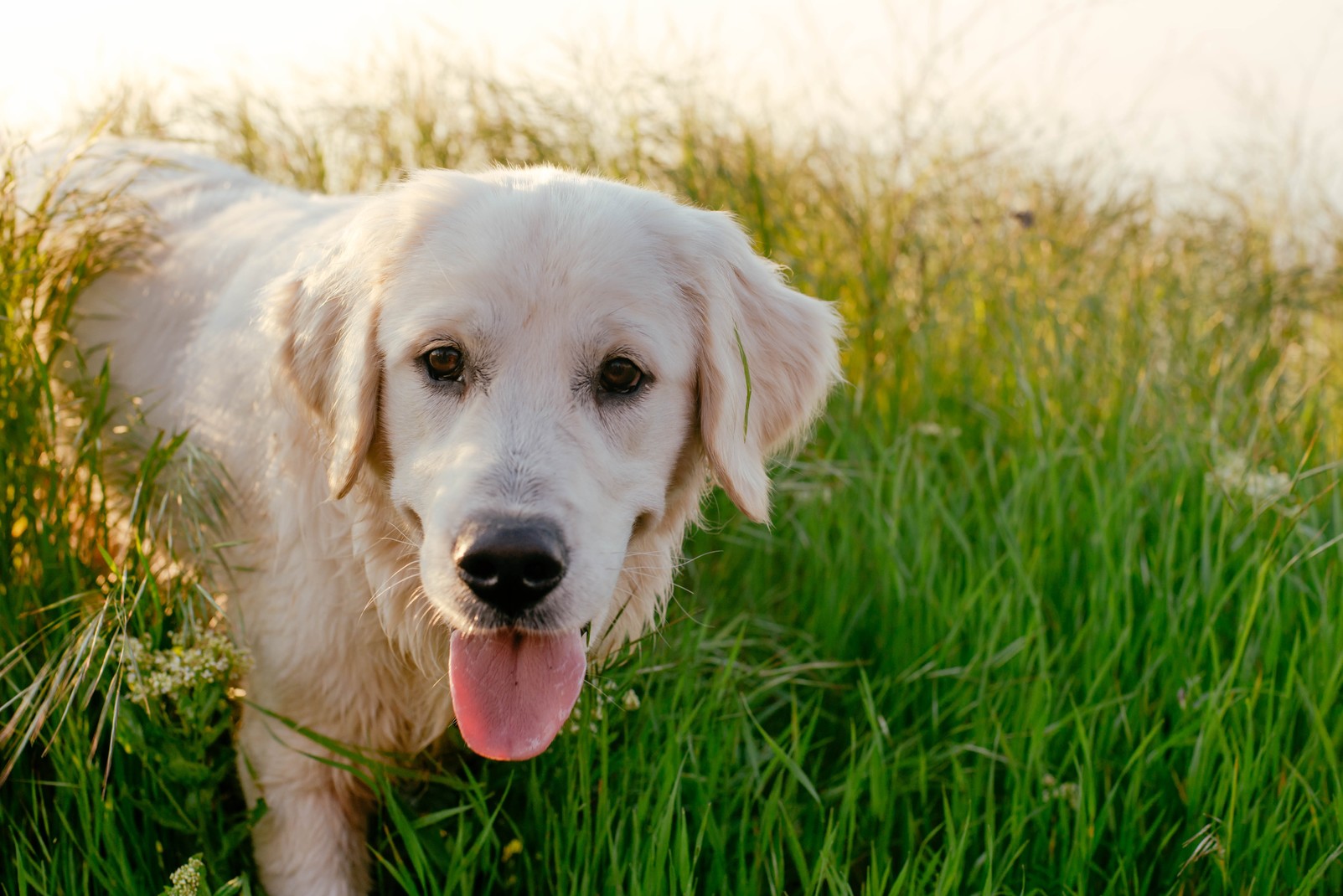
There is a reason the Golden Retriever has ranked among America’s most popular dog breeds year after year for decades. It is not just the coat, though the coat is extraordinary. It is not just the face, though the face, with its dark, kind eyes and expression of permanent, gentle goodwill, is one of the most recognizable and most emotionally resonant in the dog world.
Golden Retrievers consistently rank among America’s most popular dog breeds, and for good reason — they combine intelligence, gentleness, and loyalty in a package that works well for many families. However, their popularity has also led to misconceptions about what Golden ownership actually involves and the commitment required to keep these active, social dogs happy and healthy.
This guide covers all of it — the wonderful qualities and the genuine needs, the things breeders emphasize and the things you discover in week three. Read it before you get a Golden. Read it again. It holds up either way.
History: The Scottish Highlands Origin
Golden Retrievers were developed in the Scottish Highlands during the 1800s by Lord Tweedmouth, who wanted to create the ideal hunting companion for waterfowl retrieval in challenging terrain and weather conditions. The breed combines traits from several foundational breeds, including the now-extinct Yellow Retriever, Irish Setter, Bloodhound, and Tweed Water Spaniel. This diverse heritage created dogs with excellent retrieving instincts, water ability, and gentle mouths.
Marjoribanks bred these dogs as gun hounds for over 50 years. He wanted the dog to adjust to his area’s rainy climate and have a friendly temperament. The first Golden was shown in Britain in 1908, which is around the same time that the breed arrived in Canada and then the US. It was recognized by the American Kennel Club in 1925 as the 78th breed.
This working heritage helps explain why Golden Retrievers need mental stimulation and purposeful activities. Evolution to family companions happened gradually — while most Golden Retrievers today are family pets rather than working dogs, they retain the instincts and energy levels of their working ancestors. Successful Golden ownership requires channeling these instincts appropriately.
Appearance: What the Golden Retriever Actually Looks Like
Male Golden Retrievers typically weigh 65 to 75 pounds and stand 23 to 24 inches tall, while females usually weigh 55 to 65 pounds and stand 21.5 to 22.5 inches. They are substantial, athletic dogs built for endurance and strength.
The Golden Retriever’s double coat consists of a dense, water-repellent undercoat and a longer, flowing outer coat that ranges from light golden to dark golden. The coat is longer on the neck, thighs, tail, and back of the legs, offering insulation during swimming and outdoor activities. Combined with webbed feet and muscular frames, these features make them outstanding swimmers.
Golden Retrievers have friendly, intelligent expressions with dark, kind eyes and naturally soft mouths developed for carrying game birds without damage. Their expressions often reflect their gentle, eager-to-please personalities.
The coat comes in three primary shades: light golden (sometimes called cream), golden (the classic mid-tone), and dark golden (a rich reddish-gold). All three are recognized by the AKC. The English Cream Golden Retriever — a lighter, blockier variation popular in European lines — has developed a significant following of its own, though it is the same breed presented in a lighter color range.
Fun fact: Golden Retrievers are famous for holding a raw egg in their mouth without breaking it. The soft mouth was bred specifically for retrieving game birds without damaging them — and it remains one of the breed’s most distinctive physical traits.
Personality: What You Actually Get
Golden Retrievers are widely admired not just for their beautiful coats or intelligence, but for their exceptional temperament. Personality is the single most important reason Golden Retrievers consistently rank among the most popular dog breeds worldwide.
These traits make Golden Retrievers exceptionally versatile — capable of thriving as family companions, service dogs, therapy dogs, and working partners. Their temperament is not accidental. It is the result of generations of selective breeding focused on cooperation, reliability, and stable behavior.
Friendliness that extends to everyone: Golden Retrievers are naturally outgoing and friendly with people, including strangers. They are typically not good guard dogs because they are more likely to greet intruders with wagging tails than with protective behavior. This friendliness extends to other dogs and animals when properly socialized.
Intelligence that makes training genuinely enjoyable: Golden Retrievers are among the most intelligent dog breeds, consistently ranking near the top in working and obedience intelligence. This makes them highly responsive to training, especially when methods are positive and engaging.
The first three dogs to win AKC obedience championships were all Golden Retrievers.
Emotional attunement: Golden Retrievers do not do well with prolonged isolation. They are happiest when they feel included in daily life rather than treated as background pets. This emotional awareness is one of the Golden Retriever’s greatest strengths — but it also means they require thoughtful handling.
The honest personality note: Just because they are friendly does not mean they train themselves. Their high energy, emotional sensitivity, and strong desire to interact with people mean they require consistent guidance, structure, and meaningful connection. They are not a passive breed. They are cooperative, but they still need clear expectations and consistency.
The Three Life Phases: What to Expect When
Each phase of a Golden Retriever’s development brings characteristic behaviors. The Angel Phase runs from 2 to 6 months — bright, highly social, biddable puppies with high energy. The Teenage Rebellion phase runs from 6 to 18 months, a more independent and testing. Young adult maturity arrives at roughly 2 to 3 years, with gradual behavioral and physical maturation into a calmer adult.
The puppy phase (0–6 months): Puppies are eager to please but can form habits quickly. Emphasize short, fun sessions, positive reinforcement, and prevent undesirable behaviors from becoming established.
The teenage phase (6–18 months): This is the phase that surprises new Golden owners most thoroughly. The dog who seemed to have the sit command mastered at five months appears to have completely forgotten it at nine months. The dog who walked beautifully on a leash is suddenly pulling. Left under-stimulated, they may chew, bark, or become overly clingy. They are not a passive breed. This phase is temporary and entirely survivable with consistent training.
The adult phase (2+ years): When these needs are met consistently, Goldens develop into exceptionally steady, reliable companions. The adult Golden who has been raised with training and structure is one of the finest companion dogs available — adaptable, calm, responsive, and genuinely joyful.
Golden Retrievers and Family Life
Their patient nature with children, tolerance of other pets, and devotion to family members make them a perfect fit for many households. However, supervision is recommended around toddlers due to their size.
Golden Retrievers are widely considered one of the best dog breeds for families with children. That said, no dog should be treated as a toy.
Because they are non-aggressive and socially open, they get along with other dogs and even cats. If you have a multi-dog family, expect a smooth relationship.
Can Golden Retrievers live in apartments? Yes — as long as they receive regular exercise and mental stimulation.
They are not suited to being left alone for long periods of time, and they will often follow their person from room to room simply to stay connected. They thrive in homes where they are part of daily routines.
Exercise Needs: More Than Most People Expect
These dogs require substantial daily activity to remain healthy and happy. At least 60 to 90 minutes of combined physical and mental exercise is ideal. Swimming is particularly beneficial, as it provides low-impact exercise while capitalizing on their natural abilities. Puzzle toys, obedience training, and retrieving games further engage their intelligent minds.
While they have moderate-to-high energy levels, Goldens are not hyperactive when their needs are met. Adequate exercise paired with mental stimulation helps maintain a calm, well-adjusted temperament.
The exercise requirement is genuinely non-negotiable. A Golden who receives insufficient physical and mental exercise is a Golden who finds their own entertainment — and their entertainment choices typically involve things their owners value. The Golden who gets proper daily exercise and mental engagement becomes the calm, adaptable companion the breed is universally described as.
Health Overview
According to the Golden Retriever Club of America, cancer caused 61% of deaths in one study, with hemangiosarcoma, lymphoma, mast cell tumors, and osteosarcoma being the most common. Hip dysplasia occurs at concerning rates in this breed. Neutering before one year of age has been linked to doubling the risk in males. Environmental factors such as rapid growth, poor nutrition, or inappropriate exercise can further worsen the condition. Responsible breeding, careful diet management, and proper activity routines help reduce the risks of orthopedic disease.
Selecting a healthy puppy requires careful evaluation of breeder practices. Responsible breeders provide health clearances for hip dysplasia, elbow dysplasia, and hereditary eye conditions.
Average lifespan: 10 to 12 years, with well-maintained Goldens frequently reaching 12 to 14 years.
Choosing a Golden Retriever: The Right Way
When selecting a Golden Retriever breeder, prioritize both health clearances and demonstrable parent temperament. Ask for verified hip and elbow certifications, cardiac and eye clearances, and observe that both parents are stable and people-friendly. Ethical breeders use transparent contracts, include a lifetime take-back/rehoming clause, and conduct temperament-matching interviews to pair puppy to owner lifestyle. Decline breeders who cannot show clearances, offer no socialization records, or will not accept a dog back.
Rescue adoption also offers a meaningful option, as many organizations specialize in rehoming retrievers. Adopting an adult often means skipping the demanding puppy phase while gaining a companion with a known temperament.
Is the Golden Retriever Right for You?
Excellent match for: Active individuals and families who can provide daily exercise. Homes where someone is present for significant portions of the day. First-time dog owners who are committed to training. People who want a deeply social, emotionally attuned companion.
Requires more thought for Households where the dog would be alone for long daily stretches. People who want a low-maintenance or largely independent companion. Those who are not prepared for significant shedding. Owners who want a reliable guard dog.
If you want a dependable, affectionate, and eager-to-please family dog that thrives on training and love, the Golden Retriever could be your perfect match. With proper care, exercise, and attention, this breed brings years of joy and loyalty.
ENDING:
If you’re looking for a dog with unwavering loyalty, a heart of gold, and the energy to keep up with your lifestyle, a Golden Retriever is hard to beat. Their friendly personality, trainability, and love for life make them one of the best companion dogs in the world.
The Golden Retriever is not the easiest dog. They are not the lowest-maintenance dog. They are not the dog that will be content in the corner while life happens around them. They are the dog who is life happening — the dog who turns ordinary Tuesday mornings into something worth getting up for, who greets every day with the specific, golden enthusiasm that the breed has been producing for over a century.
Save this guide to Pinterest, share it with anyone considering the breed, and know that whatever brings you to the Golden Retriever — the coat, the face, the reputation, the eyes — the reality is better than the advertising.