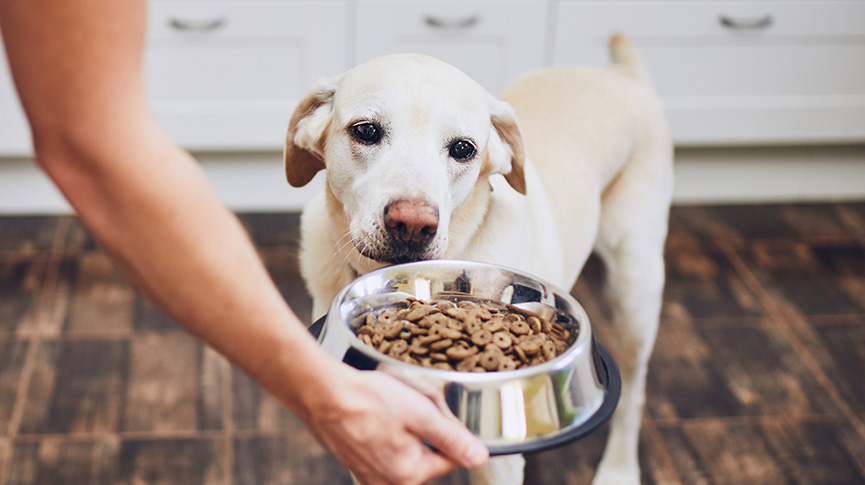
If we’re looking for a dog that fits into real life — not just our highlight reel — the Labrador Retriever keeps earning its spot at the top. Labs have stayed among the most popular breeds in the US in 2025 and 2026, and it’s easy to see why: they’re social, steady, and usually happiest right in the middle of the family.
But popularity does not equal low-maintenance. The Labrador Retriever is a high-energy, high-intelligence, high-social-need breed whose well-being depends on consistent, knowledgeable care across every area — food, exercise, grooming, health monitoring, and the daily human contact that the breed requires to genuinely thrive.
Labs do best with steady routines, not random bursts of effort. When we meet their movement needs, feed with intent, and stay ahead of grooming, we get the version of a Labrador everyone hopes for: relaxed at home, playful outside, and easy to live with.
This guide covers everything — from what goes in the bowl to what the vet should check annually. Save it, share it, and reference it every time a new stage of Lab ownership raises a question.
Understanding Your Labrador: The Foundation of Good Care
Labradors are well-known for their gentle, loving, and loyal personalities. They’re incredibly sociable and usually get along well with children, adults, and other pets. Their high intelligence and playful spirit make them easy to train and fun to be around. They thrive on attention and companionship, often becoming unhappy when left alone for long periods.
Labradors are medium to large-sized dogs with strong builds and water-resistant coats. They come in three standard colours: black, yellow, and chocolate.
Understanding the breed’s core needs is the foundation of everything else. A Lab that “acts wild” is often under-exercised, under-trained, or both — not mean or break. Labs also need human contact more than many first-time owners expect. If we’re gone all day, every day, a Lab may cope by barking, chewing, or pacing.
Feeding Your Labrador: The Most Important Daily Decision
Labradors are known for one defining trait — they love food. Unfortunately, that also makes them prone to obesity if portions aren’t controlled.
The feeding challenge with Labs is not getting them to eat — it is preventing them from eating too much. Their food drive is legendary and completely genuine, and an unrestricted Lab will eat far beyond their caloric needs without hesitation or remorse.
Puppies under 6 months: Feed 3 to 4 times daily. Their small stomachs can’t hold a large amount of food at once, so frequent meals are necessary to keep their energy levels up.
Older puppies and adults: Most adult Labradors do well with two measured meals per day rather than free feeding.
Always provide fresh water and avoid overfeeding to prevent obesity, a common issue in Labs. Obesity can lead to various health problems, including joint pain and diabetes. Measure your puppy’s food carefully according to the package instructions and adjust the amount as your puppy grows.
How to check condition: Use the rib test and waist check. You should be able to easily feel (but not see) their ribs beneath a thin layer of fat. When viewing from above, they should have a visible waist behind the ribs.
We also go easy on rich table foods and fatty chews. Besides stomach upset, big junk food moments can set us up for gulping and discomfort. Slow feeders, smaller portions, and calm post-meal downtime help — Labs can inhale meals.
Feeding through life stages:
Feed your puppy a diet specially formulated for growth. Puppies require more calories and nutrients than adult dogs. Once your Labrador reaches adulthood, transition them to high-quality adult dog food. As Labradors age, their dietary needs change. Senior dog food typically has fewer calories and is formulated to support joint health and digestion.
Exercise: Non-Negotiable and Non-Replaceable
Labradors are naturally energetic and require daily physical activity to stay fit and mentally sharp. 1 to 2 hours of daily exercise, including walks, playtime, and fetch. Without enough exercise, Labs may develop bad habits like chewing or digging.
A tired Labrador is a happy and well-behaved Labrador. Failing to meet their exercise needs is a common source of destructive behavior, weight gain, and anxiety.
Exercise requirements change by age:
Puppies: Exercise is crucial, but must be balanced carefully. Over-exercising can put excessive stress on their developing joints, increasing the risk of hip dysplasia. The guideline for puppies is five minutes of structured exercise per month of age, twice daily — a three-month-old puppy gets fifteen minutes, a six-month-old gets thirty. Free play in a safe garden is different from forced structured exercise and is generally safe.
Adults: One to two hours of exercise daily. Walks, swimming, fetch, agility, and hiking all work well. Labs are natural swimmers and often find water activities the most intrinsically rewarding exercise available.
Senior Labs: Exercise remains important, but should be adjusted for any joint discomfort. Shorter, more frequent walks replace long sessions. Swimming is particularly beneficial for senior Labs because it provides full-body exercise without joint impact.
Engage in exercise like walking, swimming at local dog-friendly lakes or pools, fetch, or gentle tug-of-war to expend excess energy before training. A well-exercised Labrador shows higher focus and responsiveness during instruction.
Mental exercise matters equally: Lack of exercise can lead to destructive behavior due to pent-up energy. Ensure your Labrador gets at least an hour of exercise each day. This can include walks, playtime, and structured activities to keep them physically and mentally stimulated. Regular exercise helps channel their energy into positive outlets.
Puzzle feeders, training sessions, scent work, and interactive games provide the mental exercise that prevents boredom-related behaviors even when physical exercise has been sufficient. A Lab that gets a long run but no brain work will still find ways to entertain themselves — usually at the expense of your belongings.
Grooming: Simpler Than You Think, More Important Than You Realize
Labrador Retrievers have a double coat that requires regular grooming to maintain their health and appearance. The Lab’s coat is sometimes called “wash and wear” — and it is largely true, relative to many other breeds. But it is not no-maintenance. The double coat sheds consistently throughout the year and significantly during seasonal changes in spring and autumn.
Brushing: Brush with an undercoat rake 1 to 2 times a week, daily during shedding season.
Regular grooming sessions also allow you to spot lumps, bumps, or skin changes early. The weekly brushing appointment is a health check as much as a grooming routine.
Bathing: Bathe your Labrador every two to three months or when they get particularly dirty.
Labradors’ natural oils protect their coat from dirt and dry skin. Regular baths will wear off the coating, leaving their skin dry. Brushing their fur is a vital grooming tip as it helps spread the natural oils, lubricates their coats, and gives a natural shine.
Ear care: Their floppy ears can trap moisture and debris, making them more susceptible to ear infections. Clean their ears regularly.
Regular ear cleaning is crucial to prevent infections. How to clean properly: use a vet-approved ear cleaner on a cotton ball or pad — never insert anything into the ear canal itself. Clean weekly, checking for redness, odor, or unusual discharge, which may indicate infection.
Nail trimming: Lab puppies’ nails should be kept short. This is a good time to clean your dog’s teeth and check and clean your dog’s ears. She recommends making this combo of nail trimming, ear cleaning, and teeth brushing a weekly routine.
Long nails affect gait, cause joint pain over time, and are more difficult to clip without cutting the quick than regularly maintained shorter nails. When you can hear clicking on hard floors, the nails are overdue.
Dental care: Don’t overlook dental health. Labs are prone to dental disease — daily brushing is the gold standard. Weekly is the practical minimum for most owners. Professional dental cleaning under anesthesia is typically recommended annually or as needed.
Health: What to Know, What to Watch, and When to Act
On average, Labradors live about 10 to 12 years, though some can live longer with attentive care and good health practices.
Labradors are prone to several inherited and environmental health concerns. Hip and elbow dysplasia are common causes of arthritis, along with obesity, which exacerbates joint strain.
Hip and Elbow Dysplasia: The most common orthopedic condition in the breed. Caused by abnormal joint development, leading to arthritis and pain. Avoid over-exercising puppies. Over-exercising can put excessive stress on their developing joints, increasing the risk of hip dysplasia. Maintaining a lean body weight throughout the dog’s life is the single most important management factor for dogs with joint conditions.
Obesity: One of the most important ways to keep your Labrador healthy is through a balanced, portion-controlled diet. Labradors are prone to obesity, which can lead to joint issues, diabetes, and heart disease. Even a small amount of excess weight significantly increases joint load and long-term health risk in large breeds.
Eye conditions: Progressive retinal atrophy (PRA) is documented in the breed. Annual ophthalmology examination and purchasing from breeders who test breeding stock are the key preventive measures.
Ear infections: While cleaning ears, check for pests like fleas and ticks. When cleaning the ears, don’t dig into the canal. Signs of infection: persistent head shaking, scratching at the ear, odor, discharge, or redness inside the ear flap.
Preventive care schedule: Follow your vet’s vaccination schedule to protect against diseases like parvovirus and distemper. Regular check-ups monitor growth, detect issues early, and provide advice on diet and grooming. Administer preventatives for fleas, ticks, and heartworms. Check their fur after outdoor activities.
Senior Lab Care: Adapting as Your Dog Ages
As Labradors enter their senior years around age 7, their needs begin to change. Adjusting care routines helps them stay comfortable and active. Early adjustments can significantly improve the quality of life for aging Labradors.
The transition to senior care involves: switching to a senior-formulated food with fewer calories and joint-supporting nutrients like glucosamine and omega-3 fatty acids, reducing the intensity of exercise while maintaining frequency, increasing the frequency of veterinary checkups to twice yearly to catch emerging conditions early, and paying closer attention to any changes in mobility, appetite, or behavior that may indicate developing conditions.
Senior dog food typically has fewer calories and is formulated to support joint health and digestion. Monitor your Labrador’s weight and adjust their food intake accordingly to prevent obesity, which can lead to various health issues.
The Daily Care Routine: What Every Lab Needs, Every Day
Morning:
- Fresh water refilled
- Measured meal served (not free-fed)
- Morning walk or exercise session (30–60 minutes minimum)
- Quick visual health check — eyes, coat, movement
Midday:
- Mental enrichment — puzzle feeder, brief training session, interactive play
- Check the water level
- Second exercise session if the schedule allows
Evening:
- Second measured meal
- Evening walk
- Brushing session (2–3 times per week minimum, daily during shedding season)
- Ear check weekly, nails checked monthly
Weekly:
- Ear cleaning
- Teeth brushing (daily is ideal; weekly is the practical minimum)
- Full coat brush
- Nail check and trim if needed
Monthly:
- Full bath if needed
- Weight check — the rib and waist test
- Review of any behavioral changes or health observations to discuss at next vet visit
ENDING:
Keeping your Labrador healthy and happy requires a combination of proper nutrition, regular exercise, preventive veterinary care, and daily attention. Labradors give endless loyalty and love, and with the right care, they can enjoy long, active lives by your side.
The Lab that receives consistent, knowledgeable care becomes the dog that everyone who meets them wishes they had — the one who is relaxed at home, joyful on walks, gentle with children, and devoted to their people in a way that makes the daily responsibility of caring for them feel like one of the best investments of your life.
Save this complete care guide to Pinterest for every new Lab owner in your life, every person who is considering the breed, and every experienced owner who wants to double-check they’re covering all the bases. Share it broadly — because a well-cared-for Labrador is a very, very good dog.