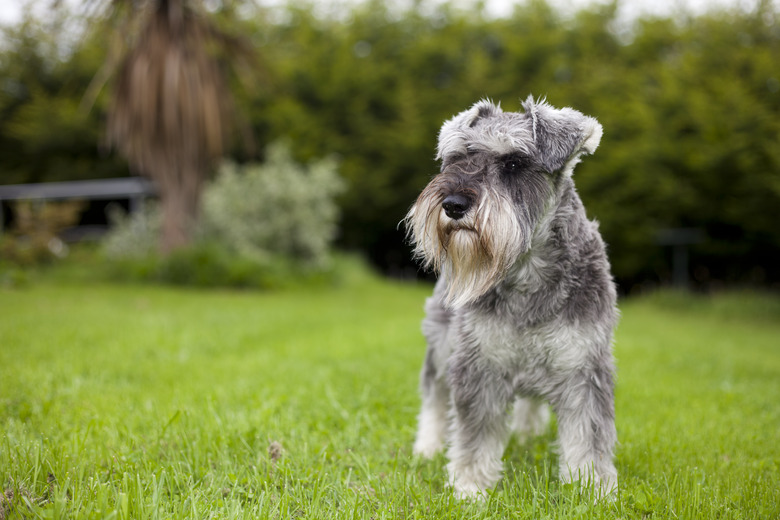
Miniature Schnauzer puppies look like someone engineered maximum cuteness into the smallest possible structural package. The baby’s oversized eyebrows. The beard that appears before anything else has grown in. The round, dense body on legs that seem enthusiastic but not yet entirely coordinated. And then they open their eyes and look directly at you with the specific, focused attention of a creature that has already decided you belong to them.
You do now. There is no going back.
This guide covers everything the first year of Miniature Schnauzer puppy ownership actually involves — including the parts that nobody emphasizes in the breed brochure.
Finding a Miniature Schnauzer Puppy: The Right Way
The most important decision in the puppy process is not the puppy — it is the breeder. A reputable breeder produces healthier, better-temperamented puppies, provides ongoing support, and contributes to the long-term health of the breed. The wrong source produces a puppy whose problems emerge months or years later.
A good breeder will have their dogs health-tested, particularly for a range of eye conditions that can affect Mini Schnauzers.
Signs of a reputable Miniature Schnauzer breeder: they ask you as many questions as you ask them — they want to know your lifestyle, your experience with dogs, your living situation, and your plans for the puppy. They will only sell puppies to individuals they have carefully evaluated, providing health testing records for both parents and welcome visits so you can meet the parents and observe the puppy’s living conditions. They also offer a contract that includes a return policy if you are ever unable to keep the puppy.
Signs to walk away from: puppies available immediately without any waitlist, multiple litters always available, inability or unwillingness to show you the parents, pressure to buy quickly, prices dramatically below market average, and reluctance to provide health testing documentation.
You should expect to pay in the region of £1800 for a health-tested Mini Schnauzer puppy from a reputable breeder. The set-up costs for any puppy can run into several hundred pounds, including food, bowls, a bed, bedding, a collar, leads, a harness, a puppy pen, and baby gates.
What to Prepare Before the Puppy Arrives
The puppy setup should be complete before collection day — not assembled in the hours after you arrive home with a stressed, confused eight-week-old dog.
Essential equipment:
- A crate, appropriately sized (small enough that the puppy cannot designate a bathroom corner)
- A puppy pen to create a safe, contained area larger than the crate
- A collar and lead — a harness is preferable for puppies whose tracheas are still developing
- Appropriate puppy food — whatever the breeder has been feeding, continued without sudden change for at least the first two weeks
- Food and water bowls — ceramic or stainless steel, not plastic
- Puppy-safe chew toys — the Mini Schnauzer puppy will find things to chew, and your job is to ensure the things available are appropriate
- Puppy pads or access to an outdoor area for toilet training
- A soft bed or blanket that smells of the puppy’s littermates, if the breeder can provide one
The First Week: What Is Actually Going to Happen
Day one is usually manageable. The puppy is exploring, taking in the environment, possibly eating and drinking reasonably, and appearing to adapt with surprising speed.
Night one is rarely manageable. A puppy who has never slept alone — who has spent every night of its eight-week life surrounded by littermates and the warmth of a dog pile — will express its opinion about sleeping alone in a crate with considerable vocal conviction. This is normal. It resolves. But the first several nights require patience and a firm commitment to not bringing the puppy into the bed as a short-term solution that will become a permanent arrangement.
By the end of the first week, toilet training has begun, but is absolutely not complete. The puppy has opinions about the crate that remain largely negative. The puppy has, however, begun to learn your name, the schedule, and the rules — and you have begun to learn what this specific puppy’s personality is, which is the most interesting part.
The Miniature Schnauzer Puppy Personality: What to Expect
Miniature Schnauzers are known for their extroverted personality. These dogs thrive on human interaction and are happiest when involved in family activities. They are affectionate and loyal companions, often forming strong bonds with their owners.
Mini Schnauzer puppies are typically bold rather than shy, curious rather than cautious, and opinionated from an early age. They are not the kind of puppy who sits quietly in a corner waiting to be noticed. They are the kind of puppy who inserts themselves into everything that is happening, investigates every new element of the environment immediately, and makes their preferences about the arrangement of their life known through regular announcements.
Mini Schnauzers don’t cope well with being left alone for long periods. They form strong bonds with their family and need to be close to their people.
This attachment — which is one of the breed’s most beloved qualities in adult dogs — means that puppy-stage separation is something to address with deliberate, gradual conditioning rather than assuming the puppy will simply accept absence. Practice short absences from the first week and build duration gradually.
Puppy Training: Starting Right
The Miniature Schnauzer’s intelligence makes them highly trainable. They thrive on mental stimulation and enjoy tasks that challenge their minds. They are known for their ability to quickly learn commands and tricks.
The honest training note: Miniature Schnauzers learn quickly and decide for themselves whether executing what they have learned is worth the effort at any given moment. Early training establishes not just specific commands but the framework of the relationship — the understanding that engaging with you is rewarding, that compliance produces good outcomes, and that the rules are consistent enough to be worth learning.
Begin basic commands — sit, down, stay, come — from the first week. Not because the puppy will master them immediately, but because beginning immediately establishes the training relationship and the mental engagement habit that the Mini Schnauzer requires throughout their life.
Socialization is equally urgent. Early socialization is essential to ensure Miniature Schnauzers develop into well-rounded adults. Socializing involves exposing them to various people, environments, and experiences during puppyhood. Regular interactions with other dogs and positive experiences will help them become well-rounded adults.
Puppy Grooming: Starting Early Matters
Occasional trips to a professional groomer will be required to maintain the perfect Miniature Schnauzer cut. When committing to a puppy, you need to be aware that they either need to be taken to the groomer every eight to ten weeks, or you can learn to groom them yourself.
The most important grooming investment you make with a Miniature Schnauzer puppy is not the first haircut — it is the establishment of comfort with the grooming process. Puppies who are regularly handled, who have their paws touched and their faces examined, and whose coats are brushed from the earliest weeks, become adult dogs who accept grooming calmly. Puppies who are not handled this way become adult dogs who are difficult and expensive to groom. Start the grooming routine immediately, even before significant coat length requires it.
ENDING:
The Miniature Schnauzer puppy is the beginning of what is almost certainly going to be the most entertaining decade and a half of your life. They are working in the early months — genuinely, honestly, they require effort. And they give back everything you invest in them and considerably more, compounded daily, for a very long time.
Save this guide to Pinterest for the moments when the crate training is not going well and you need to remember why you started. Share it with anyone about to embark on this particular adventure. And take an extraordinary number of photographs in the first weeks — the puppy stage is brief, and the eyebrows only get more magnificent from here.