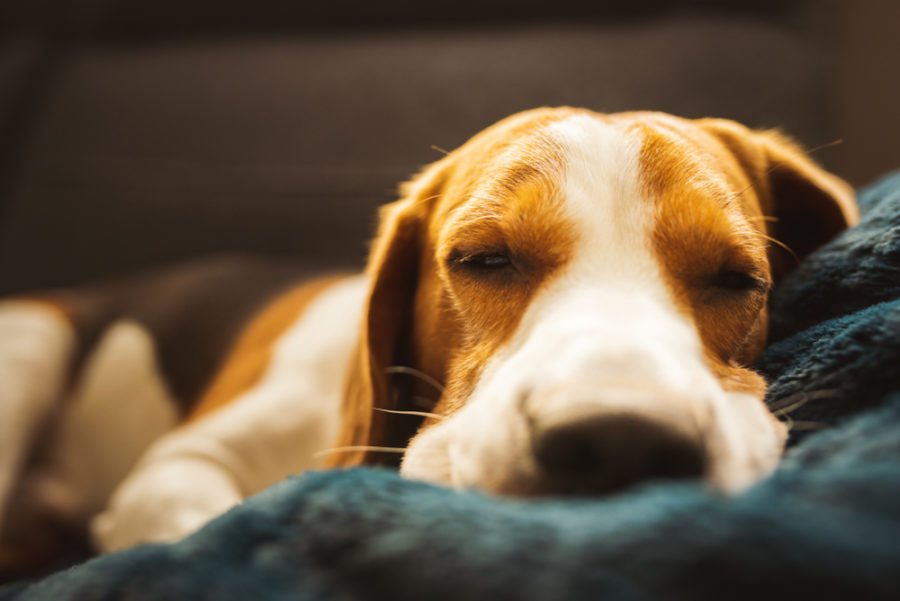
The way your dog sleeps — from their favorite position to tiny movements and how long they nap — can quietly reflect how they’re feeling. Sleep patterns often offer subtle hints about a dog’s comfort, mood, and overall well-being. If anything about your dog’s sleep ever seems unusual or suddenly different, a vet visit is always the safest move.
Dog sleeping positions
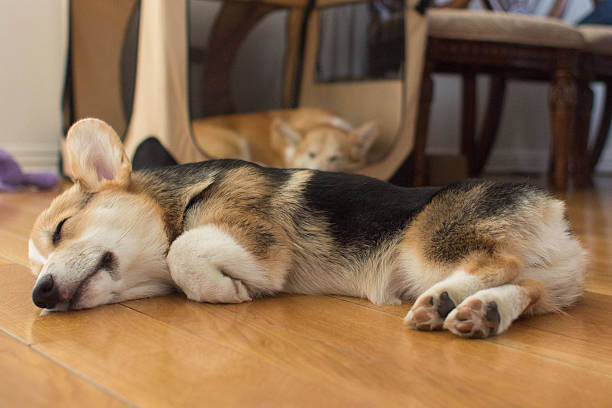
It’s especially worth noticing the position your dog chooses most often. That preference can shift depending on the space they’re in, who they’re sleeping near, or their emotional state at the time. Physical discomfort or soreness can also cause changes, so staying observant matters. When something feels off, it’s best not to ignore it.
Below are some of the most common sleeping positions — and what they may suggest.
Supine position
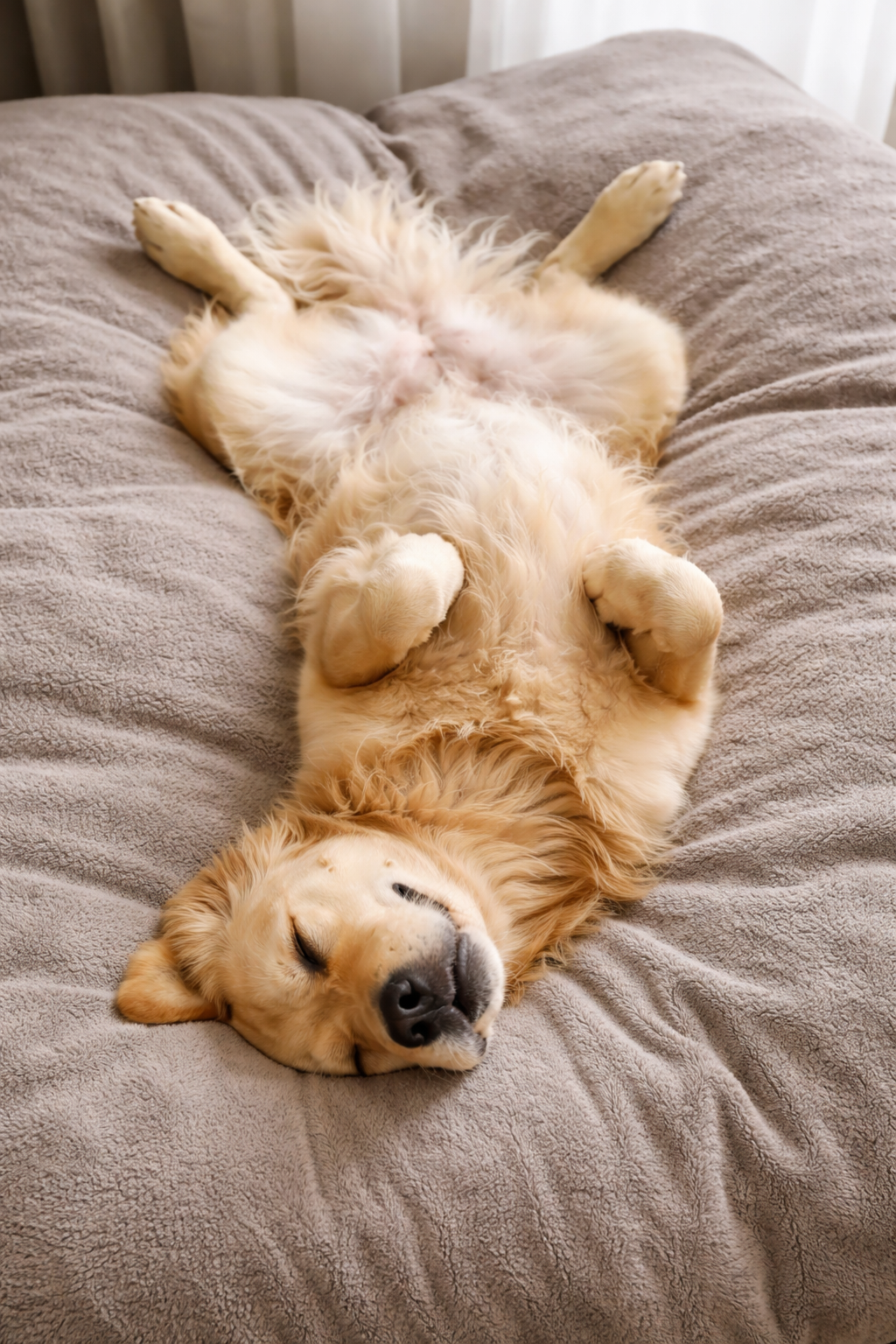
When a dog sleeps in the supine position, they’re stretched out on their back with their belly fully exposed. It’s a posture that looks funny, vulnerable, and oddly adorable—but it also says a lot. Here are a few reasons dogs choose to sleep this way:
-
A sign of comfort and trust – Rolling onto their back and exposing their belly means a dog feels completely at ease. This is a position they only choose when they feel safe enough to let their guard down entirely.
-
An open request for belly rubs – Showing the belly is often a not-so-subtle hint that scratches and affection are welcome. Since the belly is a sensitive area, allowing access is a clear sign of trust.
-
A signal of submission – Belly-up can also be a calming gesture, used to show they mean no harm. Some dogs display this posture to communicate submission or appeasement, especially during moments of correction.
-
A way to cool off – Lying on their back helps regulate body temperature. By pressing their underside against a cool surface and exposing areas with less fur, dogs can release heat more efficiently.
When a dog rolls onto their back into the supine position, it can mean several things at once. They may be expressing trust, showing how relaxed they feel, inviting affection, signaling submission, or simply trying to cool down. Either way, it’s a meaningful posture—one that plays an important role in how dogs communicate comfort and calm.
On the side
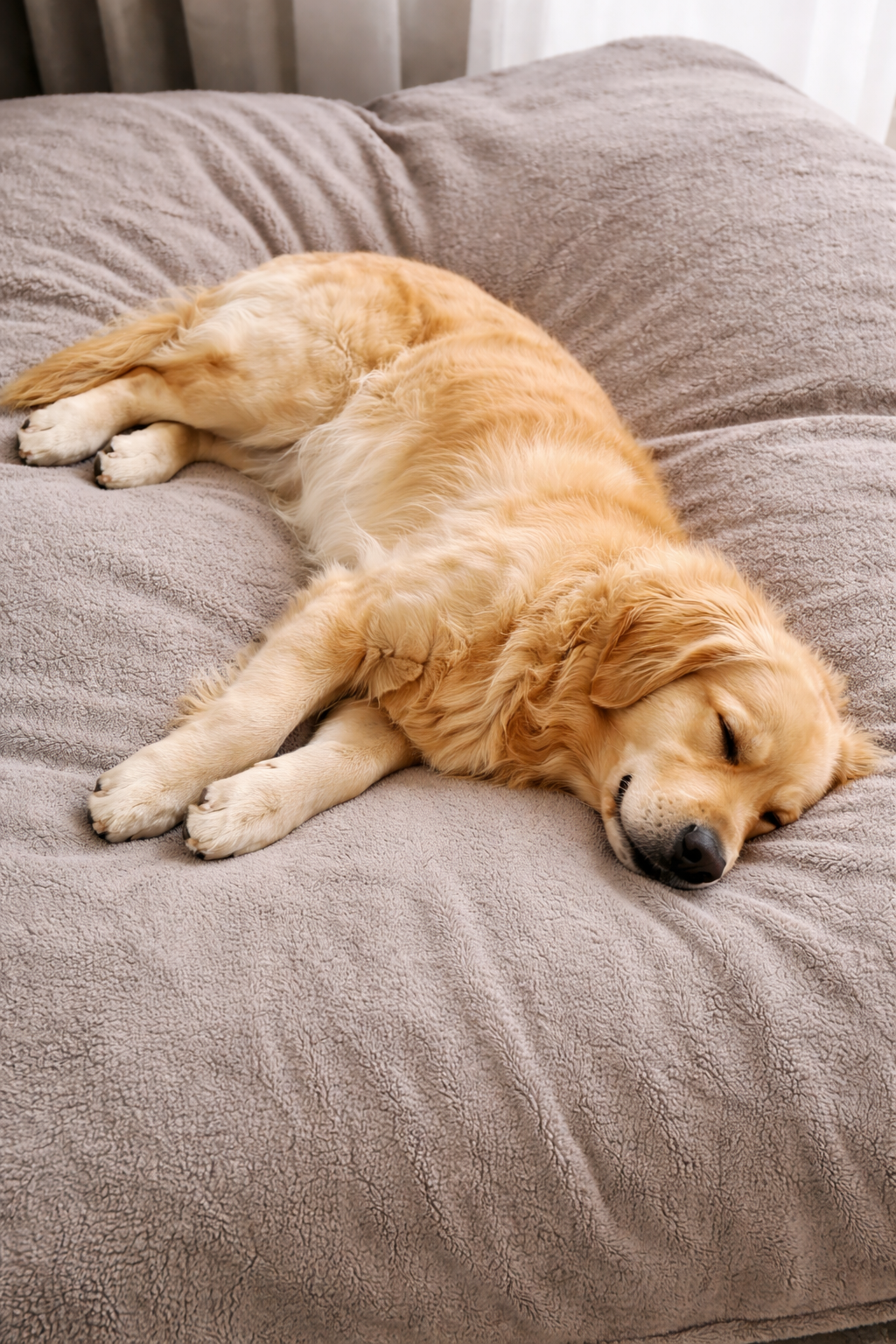
A dog that sleeps on their side is usually feeling secure and at ease, since this position leaves their vital organs unprotected. Dogs who prefer it are often laid-back and relaxed. However, they may choose a different posture in unfamiliar spaces or around people they don’t know well. Because their legs are unrestricted, this position also allows for more movement during sleep, which is why twitching or gentle leg kicks are common.
Curled up
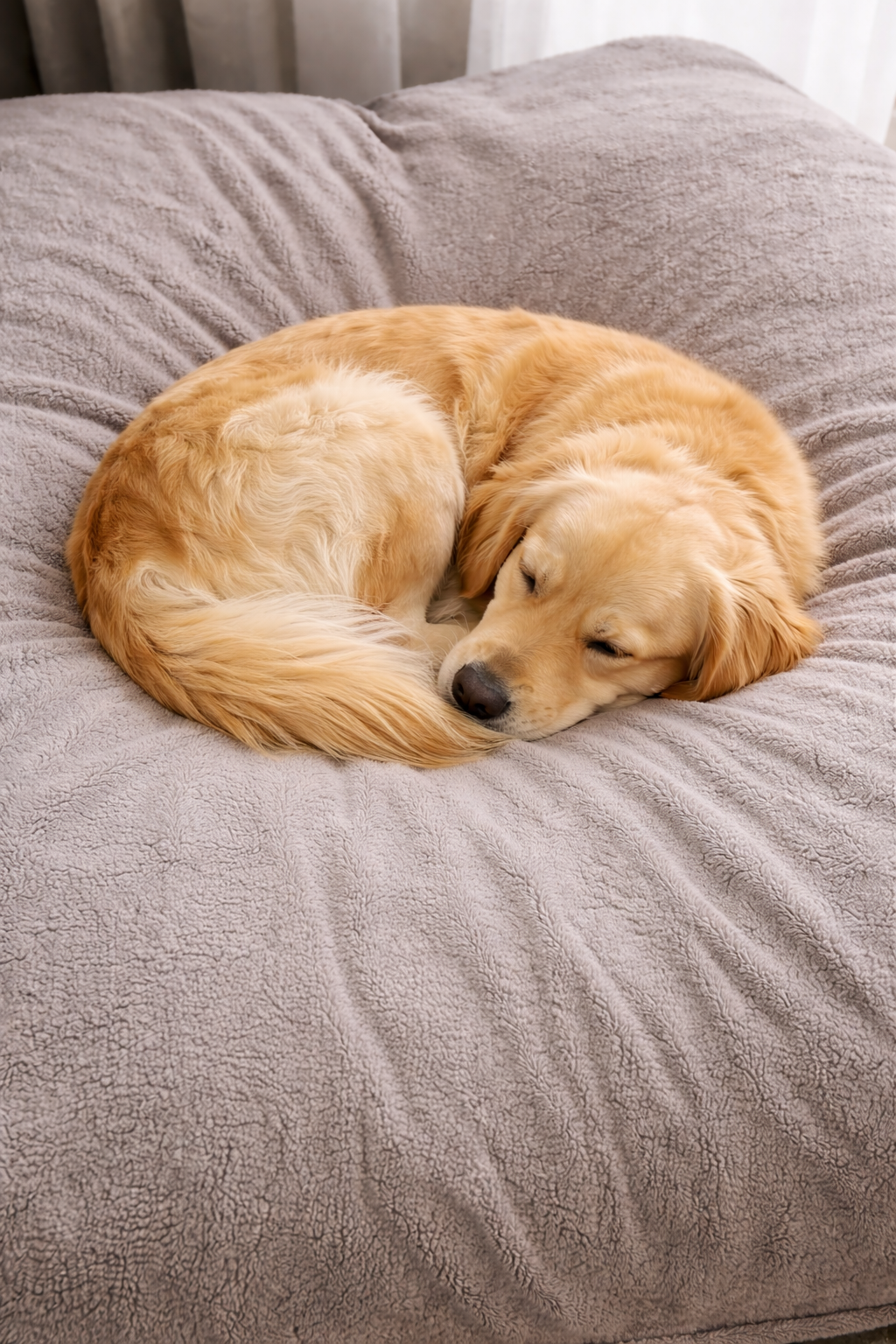
One of the most common ways dogs sleep is curled tightly into a ball, often called the “nose-to-tail” position. This posture is deeply instinctual and is frequently seen in animals in the wild. By tucking themselves in, dogs protect their vital organs, retain body heat, and stay ready to spring up if needed. Because the body is compact and movement is limited, dogs sleeping this way tend to twitch less during their rest.
It’s easy to assume a dog sleeping this way is uneasy, but that isn’t always the case. This position is especially common during cooler fall and winter months when dogs are trying to stay warm. In some cases, it may simply be the most comfortable way for that individual dog to rest.
Sprawled out on the tummy
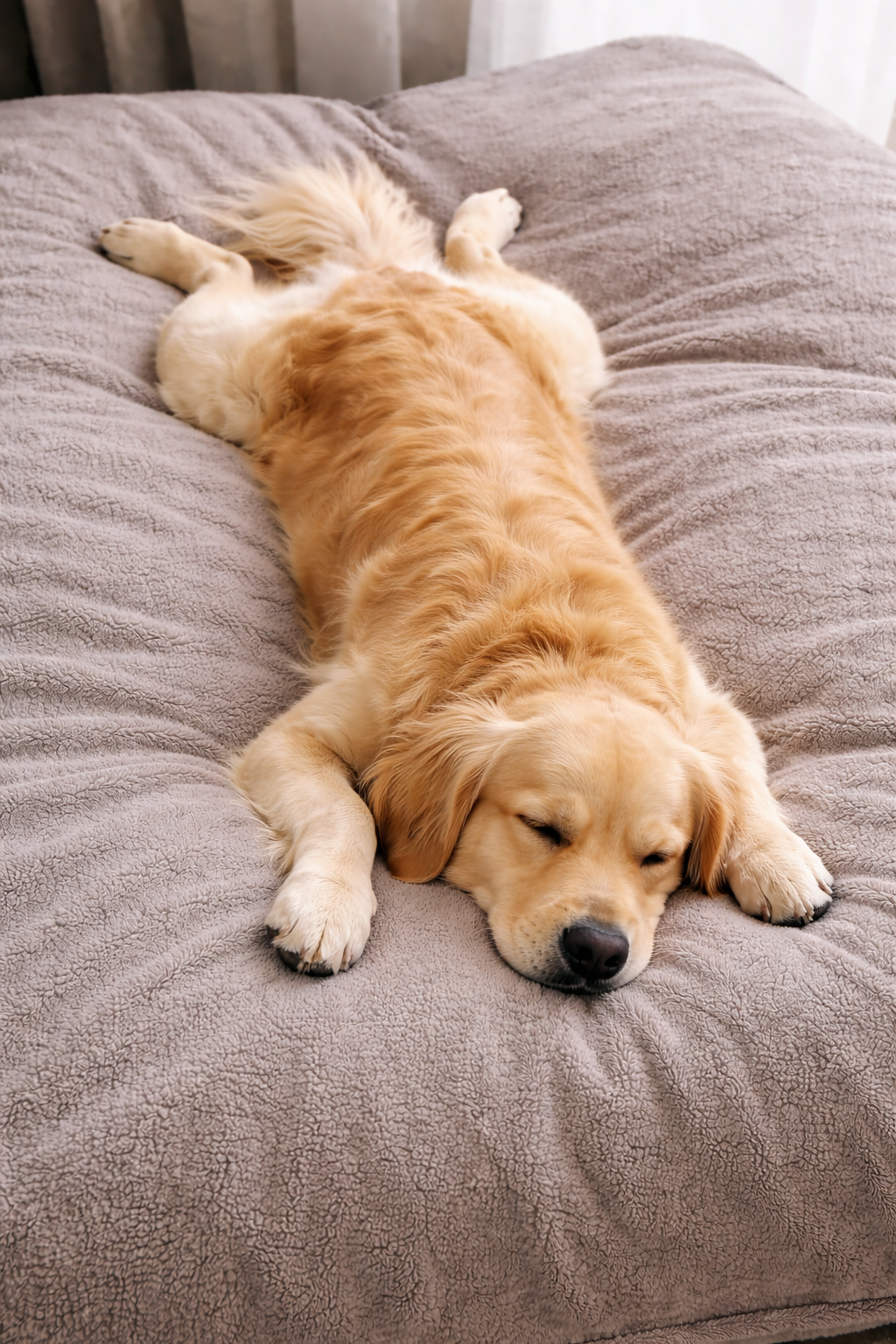
This posture is often referred to as the “Superman” position. It lets a dog spring up onto their paws almost instantly. You’ll see it most often in puppies who take lots of short naps but still want to be ready to leap back into play at a second’s notice. Dogs who sleep this way don’t want to miss out on the fun—it’s a favorite position for high-energy pups or those who crash briefly in the middle of playtime.
Back-to-back or snuggled up
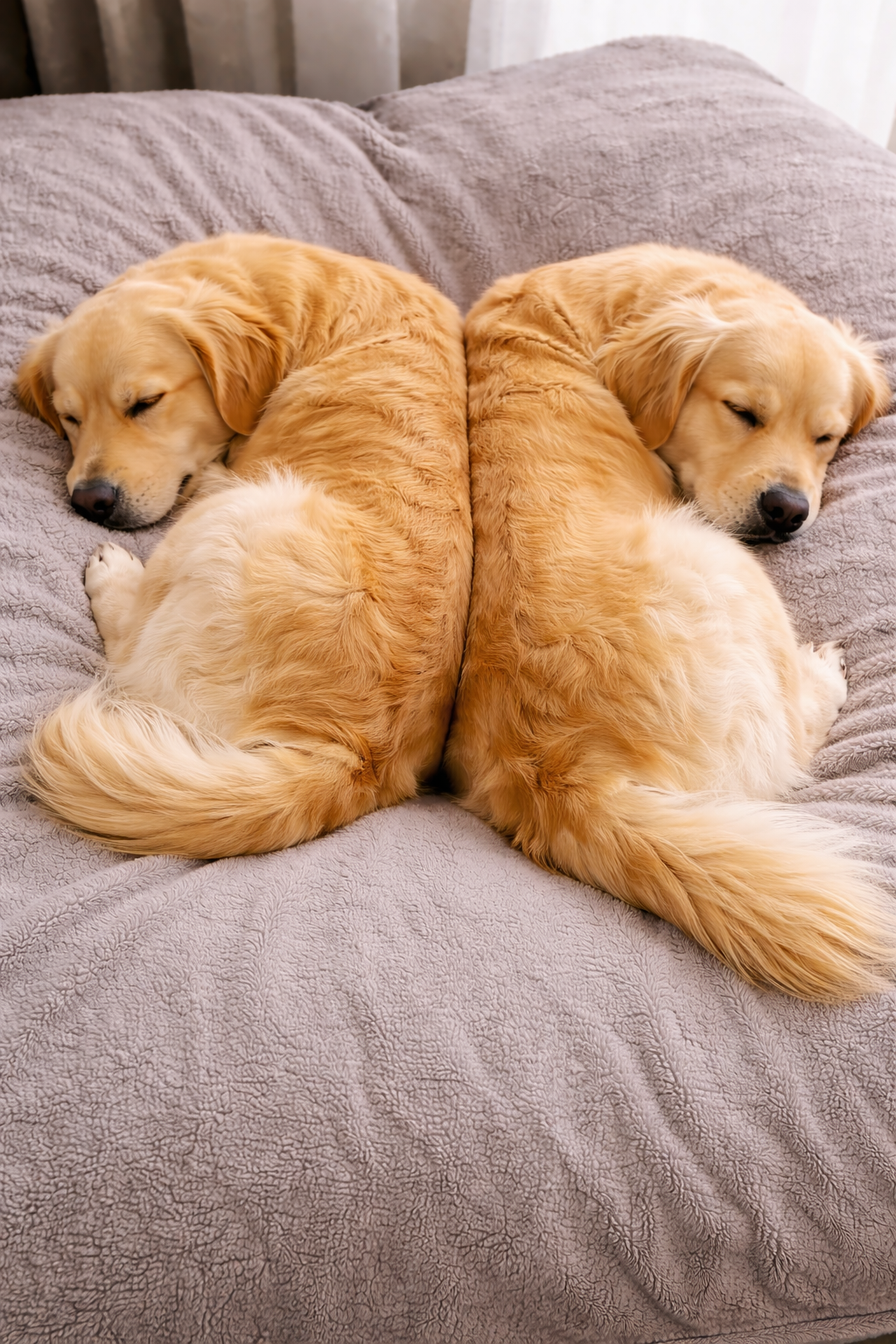
You might notice your dog sleeping back-to-back with another pet or curled up close to you. No matter who they’re beside, the message is the same—they’re bonding and choosing closeness. This position shows affection, trust, and total comfort with their sleeping companion. If you want to return the love, the best response might be as simple as curling up for a nap right alongside them.
Your Dog’s Sleeping Behaviors
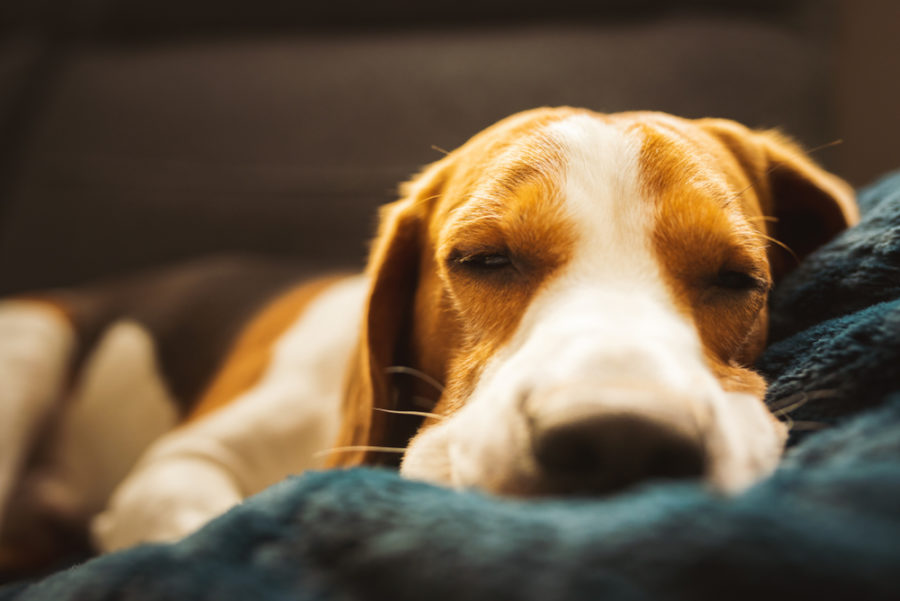
Once your dog drifts off, their movements and behavior can offer subtle hints about how well they’re resting. Sleep plays a key role in recovery and overall health, with the deepest stage—REM sleep—being especially important for restoration. Noticing these small signs can help you understand whether your dog is truly getting the quality rest they need.
Circling and digging
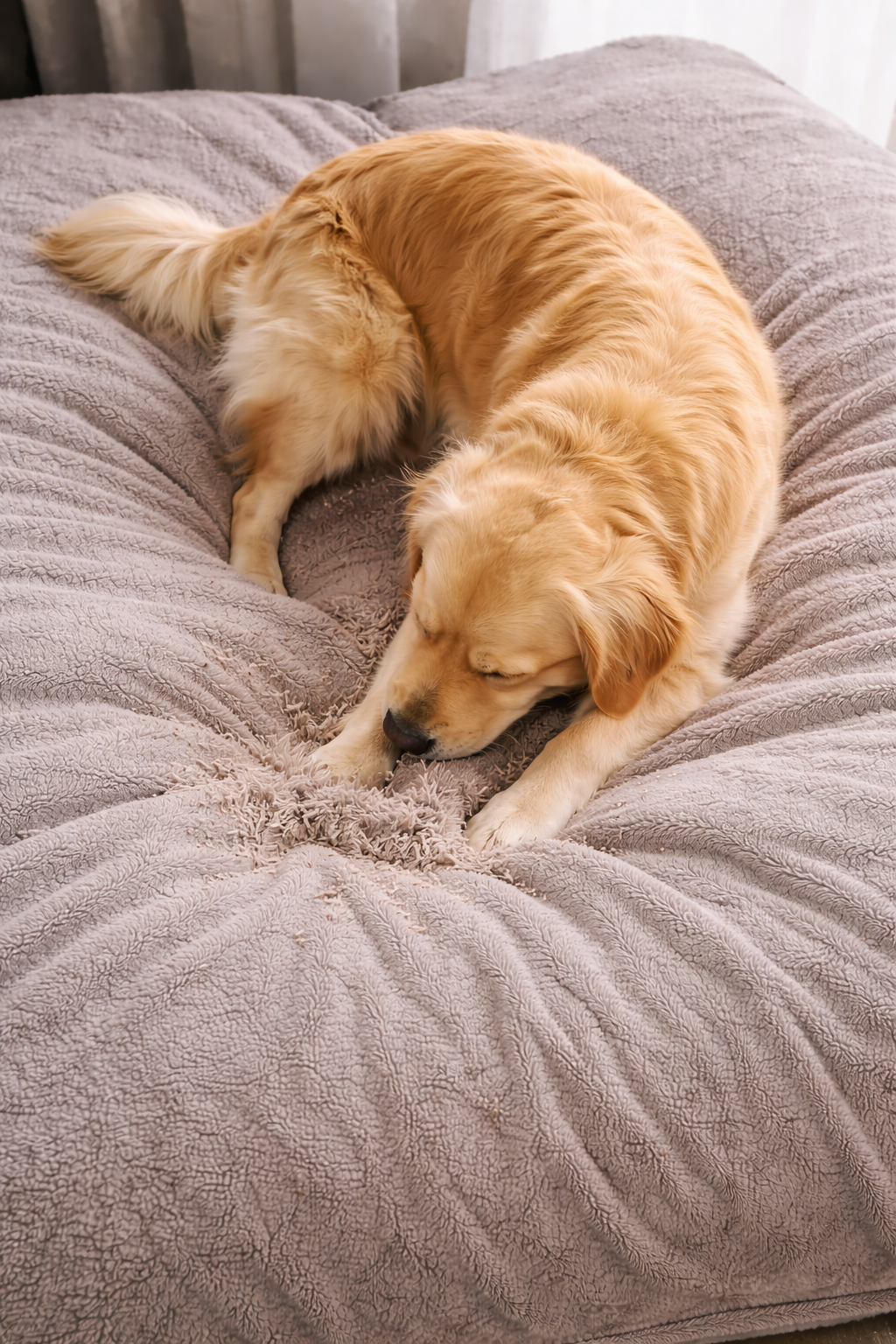
It’s completely normal for dogs to circle their sleeping spot—or even scratch at it—before settling down. This habit traces back to their wolf ancestors, who would flatten grass, leaves, or snow to create a more comfortable place to rest. Digging also helped regulate temperature, keeping them warmer in cold weather and cooler in the heat.
Most dogs will turn a few times before lying down, but if the circling becomes excessive or they seem unable to get comfortable, it could point to discomfort, arthritis, or a neurological concern. If that behavior stands out or worsens, a visit to the vet is a smart next step.
Light dozing
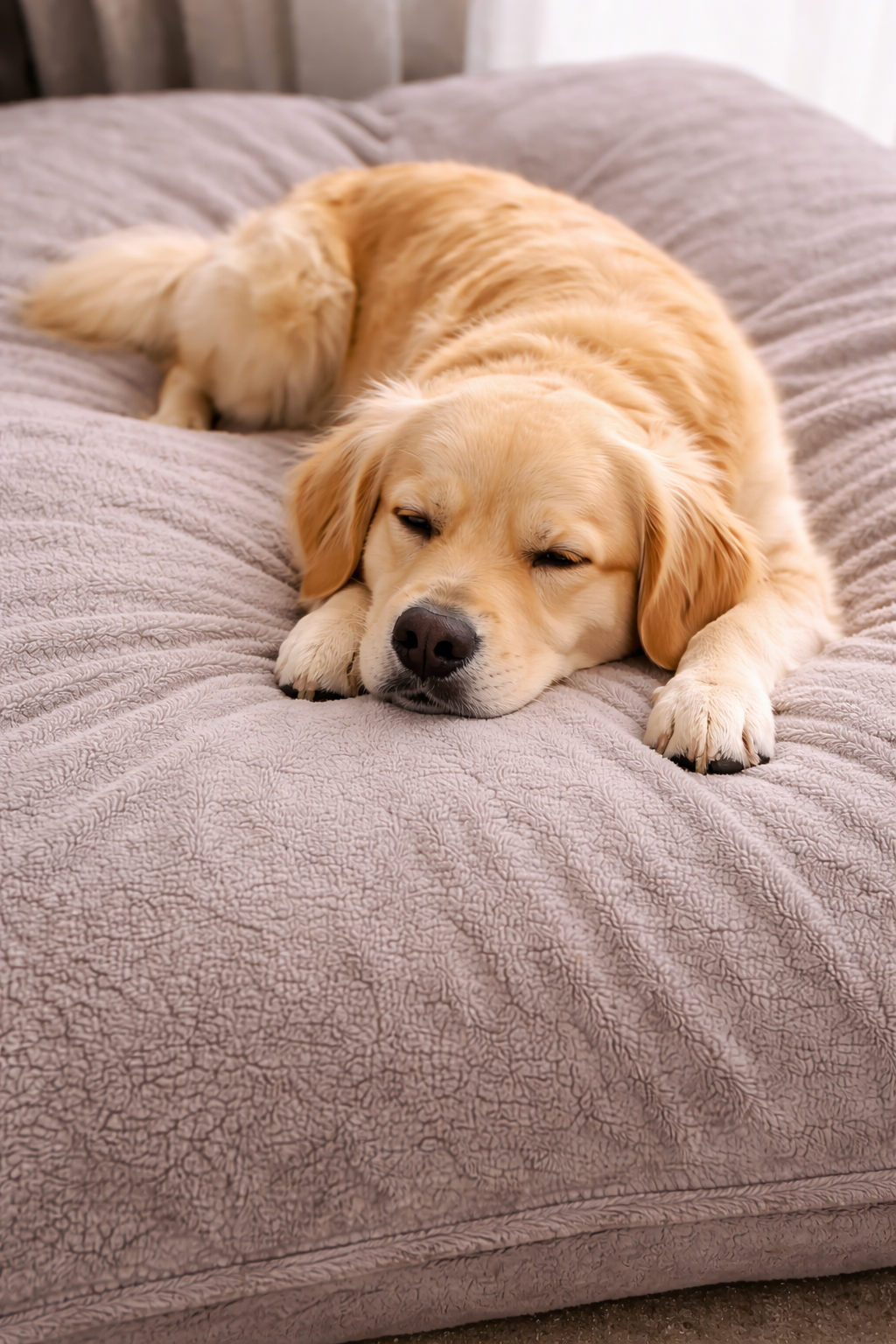
A dog may drift into short daytime naps out of boredom or simply to pass the time. This kind of sleep is usually light and not very restorative, as they’re often just waiting for something more exciting to happen. You can usually tell by watching their ears—if they flick up at the slightest sound or movement, your dog is still alert and on standby. When that’s the case, it might be the perfect moment to switch things up with a walk, a game of fetch, or some interactive play.
Twitching, wagging, or soft barks
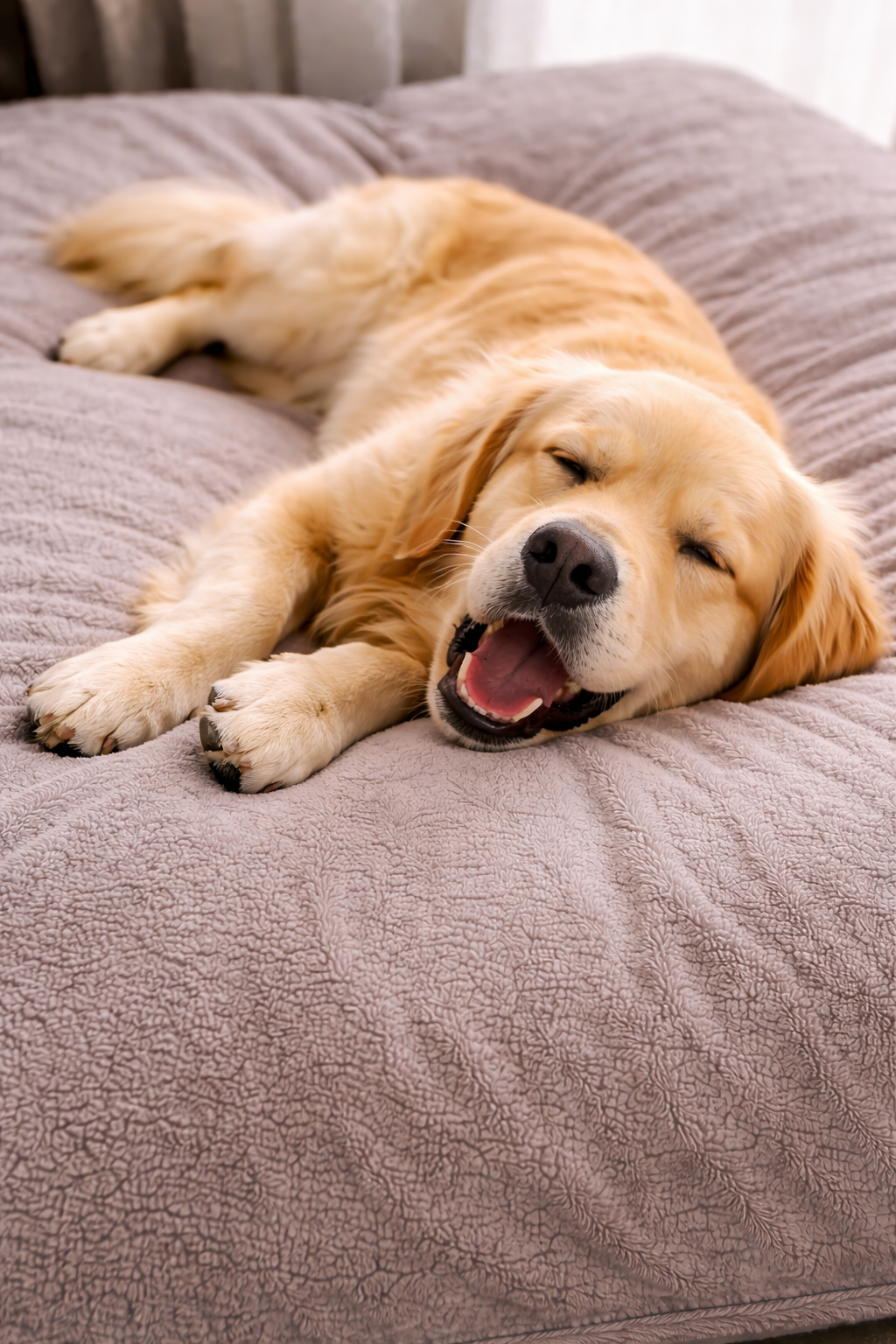
During REM sleep—the deepest and most restorative stage—dogs often move more than you might expect. They may twitch, kick their legs, wag their tails, or even let out small barks or grunts, likely acting out whatever they’re dreaming about. While it can look dramatic, this movement is actually a sign of quality sleep, and it’s best not to interrupt them. This stage is especially beneficial for their overall health.
You’ll often notice more movement during sleep in puppies and senior dogs, though the exact reason isn’t fully understood. Some dogs may also shift positions or relocate entirely while snoozing. In rarer cases, twitching can happen if a dog is feeling cold—the body’s natural response to generate warmth. If that seems likely, offering a blanket or moving them to a warmer spot can help them rest more comfortably.
Signs of distress
Just like people, dogs can experience nightmares. If your dog seems unusually restless during sleep—moving more than normal, barking, or whimpering—you can try gently soothing them. Softly say their name and calmly pet their back or side, keeping your voice low and reassuring. They may wake up briefly, or they might simply relax and drift back into a calmer sleep after being comforted.
If this kind of agitation happens often or becomes a pattern, it’s a good idea to check in with a vet to rule out any underlying issues.
Seizure
If twitching becomes extreme, it may point to something more serious, such as a seizure, and should be treated as a medical emergency. If the movements seem unusual, try calling your dog’s name to see if they wake up. If they respond, it was likely just a vivid dream. If they don’t wake, continue shaking, or their body feels stiff, seek veterinary care immediately. Knowing your dog’s normal sleep patterns is key—it helps you recognize when behavior crosses the line from typical to concerning.
Why does my dog sleep against me?
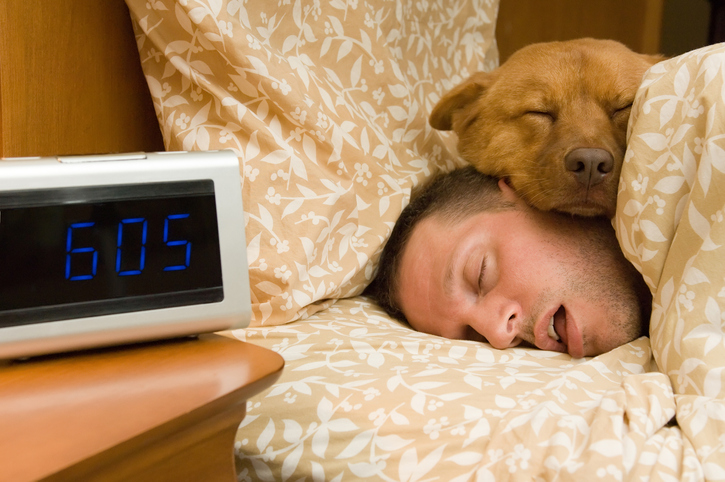
Dogs often choose to sleep pressed right up against their humans for several simple but meaningful reasons:
-
Comfort and safety – Being close to you provides warmth and reassurance. Your presence helps your dog feel protected, calm, and less anxious while they rest.
-
Emotional bonding – Physical closeness during sleep strengthens the bond between dog and owner. This contact builds trust and attachment, reinforcing the emotional connection they feel with you.
-
Familiar scent – Your smell is comforting to your dog and helps them feel grounded. Sleeping beside you allows them to stay aware of where you are while surrounded by a scent they associate with security.
-
Shared warmth – Your body heat makes an inviting source of warmth, especially for dogs that enjoy cozy sleeping conditions. Curling up next to you helps them stay comfortable.
-
Pack instinct – Dogs are naturally social animals. Sleeping close together is a deeply ingrained behavior tied to their instinct to rest as part of a group, reinforcing closeness and protection.
In many cases, a dog sleeping against you is simply expressing trust, affection, and a desire to feel safe—treating you as part of their family and pack.
How much do dogs usually sleep
Dogs tend to sleep far more than humans. Most adult dogs rest about 12 to 14 hours a day. Larger breeds often sleep longer than smaller ones, while puppies may snooze anywhere from 12 to 20 hours daily, waking periodically to eat, play, and explore.
It’s important to be familiar with what’s normal for your dog. Changes in sleep duration can signal anything from lifestyle or diet adjustments to underlying health concerns. If your dog suddenly seems to sleep much more—or much less—than usual, it may be worth checking in with a veterinarian to be safe.