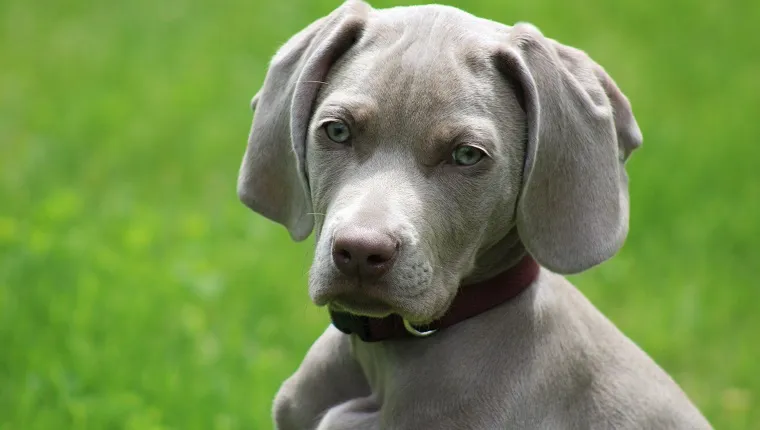
You’ve seen it before—that unmistakable “guilty” face. The lowered head. The wide eyes. The slow tail wag that says, I know I did something. Or at least, that’s what it looks like. The internet is full of guilty dog memes and dramatic apology videos. But here’s the real question: are dogs actually feeling shame?
Picture a typical day. You walk through the door, and your dog greets you like you’ve returned from a year-long expedition. Tail wagging, body wiggling, pure excitement. They’ve learned the routine—door opens, human appears, love and attention follow. It’s a script they know well.
Now imagine a different scenario. While you were away, boredom struck. A pair of shoes became a chew toy. Maybe a couch cushion joined the chaos. You step inside, take one look at the scene, and release the universal disappointed sigh. Then comes the lecture.
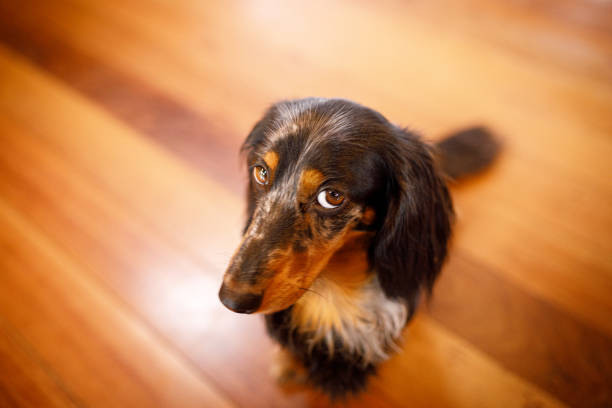
Suddenly, your dog’s energy shifts. Head drops. Eyes lift upward. Body still. The infamous “guilty” look appears.
But here’s the twist: your dog probably isn’t replaying the crime in their head. They’re reading you. Dogs are masters of interpreting tone, posture, and facial expressions. That look isn’t necessarily guilt over past behavior—it’s a response to your current mood. They sense tension, frustration, or disappointment and react in a way meant to calm the situation.
In other words, it’s less “I regret chewing the shoes” and more “I can tell you’re upset, and I want things to be okay again.”
Still adorable. Just not quite the courtroom confession we imagine.
Dog Knows Something Is Wrong—And That “Guilty” Look Says It All 🐶 👀
Compare your body language during a scolding to how you normally greet your dog. Your tone is sharper. Your movements are more rigid. Your facial expression changes. The warmth and casual affection they’re used to suddenly disappears.
From your dog’s perspective, you don’t look like the same person who walked in the door five minutes ago.
They notice the shift immediately. That’s why they might lower their head, tuck their tail, flatten their ears, avoid eye contact, or show the whites of their eyes—often called “whale eye.” These signals aren’t confessions. They’re appeasement behaviors.
Your dog senses tension. They recognize that something in the environment has changed—specifically, you. Their body language is an attempt to calm the situation, reduce conflict, and signal that they mean no harm.
Humans often label this reaction as “guilt,” assuming the dog understands the past behavior and feels ashamed. But what’s really happening is much simpler: your dog is responding to your current mood, not reflecting on their earlier actions.
It’s not an admission of wrongdoing. It’s a peace offering.
Dogs May Sense a Connection—But It’s Probably Not Guilt 🐶🤔
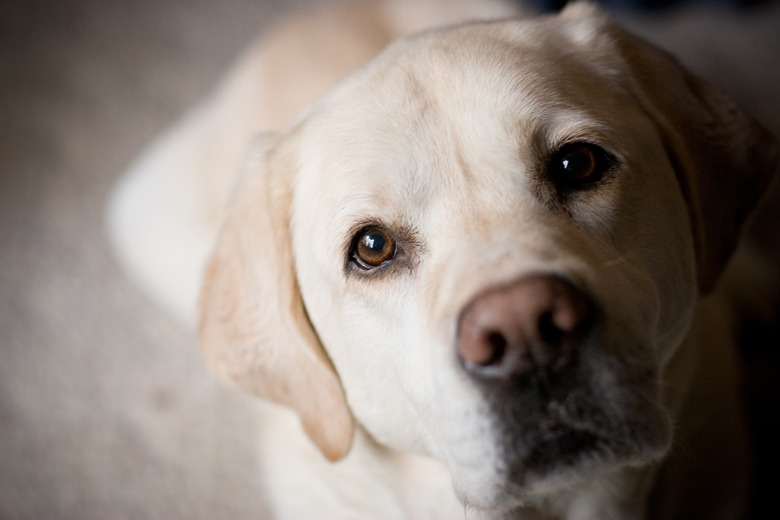
Assuming your dog is calmly thinking, “You’re mad because there’s garbage on the floor, and I’m the one who put it there,” is honestly a big leap.
For that to make sense, your dog would need to understand why the mess is “wrong” in a human way—things like germs, the cost of your flooring, and the time and effort it takes you to clean it up. Those are the kinds of ideas that trigger guilt for people because they involve empathy, inconvenience, and shared social rules.
To reach “guilt,” a dog would have to follow a long chain of reasoning: connect your anger to the mess you’re seeing, link that mess to what they did earlier, realize their earlier action caused your current reaction, and then feel remorse about an action they’re no longer doing—finally choosing submissive body language to communicate that remorse.
That’s a lot of cognitive heavy lifting. Even many humans struggle with that level of reflection.
Dogs may sometimes form simpler associations—like learning that certain situations predict a stern tone or an unpleasant reaction. But the full guilt narrative people often project onto that “guilty face” isn’t supported by research.
The video above is a perfect example of why the so-called “guilty look” is probably just a reaction to us—not a confession.
There are two dogs in the clip. Only one made the mess. Yet both display what people instantly label as guilt. That alone should raise a question.
Watch closely. The Dalmatian—who didn’t do anything—begins offering classic calming signals. He slinks forward slowly. He stretches (a common stress-relief behavior). He lies down. He yawns. He licks his lips. He turns his head away. None of these actions scream “I did it.” They scream, “Something feels tense here.”
Was he secretly involved? Or is he simply responding to a human whose posture, tone, and energy have shifted?
Then the camera moves toward the dog who actually made the mess. The body language intensifies—soft eye blinks, lowered head, stillness. But again, these are appeasement signals. The dog is reacting to a looming presence, a stern voice, and direct eye contact. He’s responding to pressure in the moment.
Here’s the key point: both dogs show “guilty” behaviors, even though only one could possibly be responsible. That strongly suggests the behavior isn’t about remorse. It’s about reading the room.
Dogs are experts at detecting emotional shifts. When we look upset, they adjust. What we interpret as guilt is more likely conflict avoidance and an attempt to calm us down.
Not a courtroom confession—just emotional intelligence at work.
“Guilty” Dogs Often Look Exactly Like Confused or Fearful Dogs 🐶😕
Let’s look at it from another angle.
Imagine you walk into the laundry room, see a mountain of clothes, and let out a dramatic sigh. Maybe you mutter about how the house feels like a laundromat. Your tone shifts. Your shoulders tense. Your energy changes.
Your dog, hearing that frustration, might lower their head, shuffle away, lick their lips, or avoid eye contact.
But they didn’t create the laundry pile. Unless your dog secretly runs a sock-smuggling operation, they have nothing to feel guilty about. So why the “guilty” behavior?
Because they’re reacting to you, not the situation.
Dogs don’t understand that your irritation is about chores. They simply register that your voice sounds sharp, your body looks rigid, and the mood feels different. To them, something is off balance. Their response is to calm things down or remove themselves from perceived tension.
Now think about a frightened dog in a shelter. That dog often shows the same lowered posture, tucked tail, averted gaze, lip licking, and slow movements. We don’t assume that shelter dog is overwhelmed by moral shame over past misdeeds. We recognize fear and confusion.
The body language is nearly identical.
That’s the key. What we label as “guilt” looks strikingly similar to stress signals. The so-called guilty dog isn’t replaying their crime in their head. They’re reacting to human intensity—tone, posture, facial expression.
It’s not remorse. It’s uncertainty. It’s an attempt to stay safe and keep the peace.
Avoid Placing Human Emotions on Your Dog 🐶
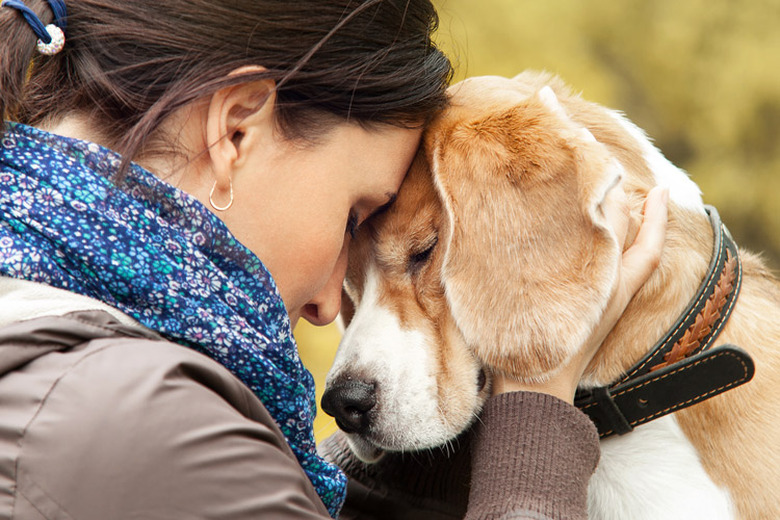
When we label that look as “guilt,” what we’re really doing is overlaying our own emotional script onto the situation. We see a mess, we feel frustration, and we assume our dog must be feeling remorse. In reality, they’re most likely reacting to us, not reflecting on what they did hours earlier.
Dogs learn our patterns. They recognize the upbeat tone, relaxed shoulders, and warm greetings we use when we’re happy. They also learn the sharper voice, rigid posture, and tense energy that come with irritation. Research supports that much—they’re highly attuned to human emotional cues. But that doesn’t mean they’re engaging in moral self-evaluation.
So the next time there’s a housetraining slip-up, a tipped-over trash can, or an unfortunate litter-box “snack” discovery, pause before assuming confession. Your dog isn’t standing there thinking about right and wrong. They’re responding to the tension in your voice and body language.
If anything, those everyday mishaps are usually management or training issues—not character flaws in your dog. Chewed shoes, accidents, and other household chaos tend to happen when a curious, under-supervised pup is given access to temptation without guidance.
In moments like these, it’s less about a “naughty” dog and more about adjusting the environment, supervision, or training plan. Your dog isn’t guilty. They’re just being dogs.