
French Bulldogs are one of the most popular breeds in the world right now, and also one of the most misunderstood in terms of daily care. Their compact bodies, flat faces, and wrinkled skin make them uniquely vulnerable to a set of very specific health problems that most owners either don’t know about or don’t take seriously until something goes wrong. The mistakes in this guide are not made by bad owners — they are made by devoted, well-meaning owners who were simply never given the right information. Every mistake here is fixable. Most of them are preventable from day one. Read this guide before your Frenchie needs a vet visit to teach you what it contains.
Mistake One: Treating Exercise Like a Normal Dog Breed

Why This Mistake Happens
Most new Frenchie owners know their dog has a flat face. Very few understand what that actually means for exercise capacity and heat risk. They take their Frenchie for the same kind of walks they would take any small dog — midday strolls, fetch sessions in the backyard, play dates at the dog park on a warm afternoon — and they do not connect those activities to the breathing crisis, collapse, or heatstroke that follows until they are sitting in an emergency vet’s waiting room.
10 Proven Ways to Keep Your Frenchie Cool This Summer →
Why It Matters
French Bulldogs’ short, narrow airways mean they can’t exchange enough air to regulate their body temperature. Heatstroke can develop quickly on a hot day, especially during exercise and activity. During heatstroke, a dog’s body temperature rises rapidly, which can damage organs, impair blood clotting, and even lead to death. The danger threshold is lower than most owners expect. When ambient temperature exceeds 78°F, a French Bulldog’s core body temperature can rise to 106°F within 15 minutes. That is not extreme summer weather — that is a moderately warm afternoon in most of North America and Europe from April through October.
The Fix
Walk your Frenchie only during early morning before 9 am or evening after 7 pm from spring through autumn. Keep all exercise sessions under 20 minutes, even in cool weather, and watch your dog’s breathing rate throughout — the moment panting becomes labored or noisy, the session ends immediately. Exercise should consist of controlled leash walks only in cooler, less humid weather, as overheating is a real and life-threatening risk. Most weight management efforts for French Bulldogs must consist of calorie control rather than vigorous exercise. Never use running, fetch, agility, or sustained play as exercise formats for a Frenchie, regardless of how much energy they appear to have, because energy and respiratory capacity are completely separate things in this breed. Replace the outdoor exercise time you cannot safely provide with indoor mental stimulation — puzzle feeders, scent games, and short training sessions that tire the brain without stressing the airway.
Always use a harness rather than a collar for all walks. A collar applies direct pressure to the trachea with every step, and in a dog whose airway is already compromised by anatomy, that pressure meaningfully worsens breathing effort and increases heat and stress risk during the walk.
Emergency Protocol Every Frenchie Owner Must Memorize
If your Frenchie shows heavy labored panting that is not resolving, bright red gums, glazed eyes, stumbling, or collapse — act immediately. Move them to air conditioning. Apply cool, not cold, water to the armpits, groin, and neck. Never use ice-cold water or ice packs, as extreme cold causes blood vessels near the skin to constrict, which actually traps heat inside the body. Get to a vet even if they appear to recover, because internal organ damage from heat is not visible from the outside.
Mistake Two: Neglecting the Skin Folds Until They Become Infected
Why This Mistake Happens
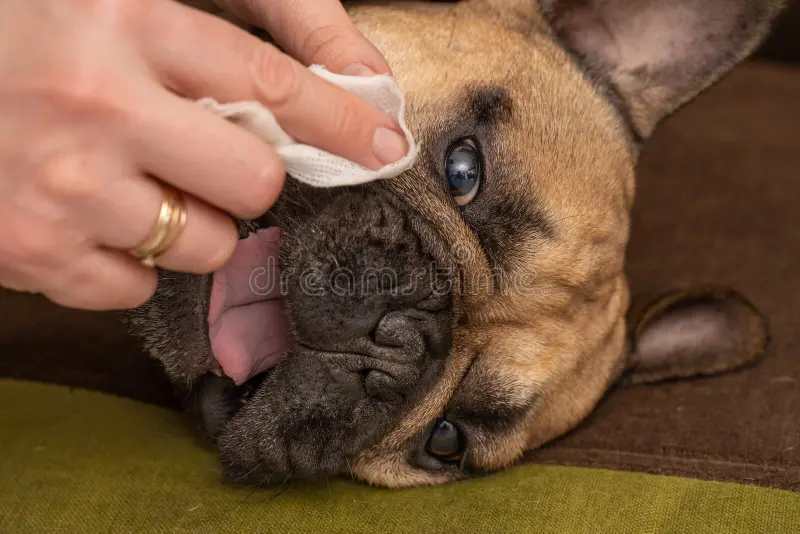
The skin folds on a French Bulldog’s face, neck, and tail pocket look clean from a distance. Owners see them, admire them, and move on without touching them. It takes a specific kind of close, hands-on inspection to discover what accumulates inside them — moisture, dead skin cells, food residue, environmental debris — and by the time the smell or redness becomes obvious enough to notice without looking, the infection is already established.
Why It Matters
Skin-fold dermatitis is the headline condition for Frenchies. It refers to inflammation and bacterial imbalance between skin surfaces that are touching — exactly what occurs in nasal folds, lip folds, neck folds, and tail pockets. Left unmanaged, fold dermatitis progresses from redness and mild odor to open sores, deep bacterial infection, and in severe cases, structural tissue damage that requires surgical correction. The tail pocket — the skin depression directly above the tail — is the most frequently missed fold because it is at the back of the dog and not visible during a casual face-on inspection. It is also one of the most infection-prone areas because it is deep, warm, and rarely dries out on its own.
The Fix
Establish a daily fold-cleaning routine that takes less than three minutes. Use unscented baby wipes or purpose-made dog skin fold wipes — not human cosmetic wipes that contain alcohol or fragrances that irritate dog skin. Work through each fold in this sequence: nasal fold above the nose, lip folds on both sides of the mouth, neck fold if present, and tail pocket. For each fold, gently open the fold with one hand and wipe along the inside surface thoroughly with the wipe, then follow immediately with a dry cotton pad or soft cloth to remove all moisture. Leaving moisture in a fold is as problematic as leaving debris — the warm, damp environment is exactly what bacteria and yeast need to colonize.
If folds look red or irritated, your vet may recommend medicated wipes. Act on redness the first time you see it rather than waiting to see if it resolves on its own — fungal infections escalate quickly, especially in warm weather when bacterial growth rates increase. Signs that require immediate veterinary attention are folds that are visibly swollen, have a discharge, smell strongly despite cleaning, or appear to cause your Frenchie pain when touched.
Mistake Three: Feeding the Wrong Food or Switching Food Too Quickly
Why This Mistake Happens
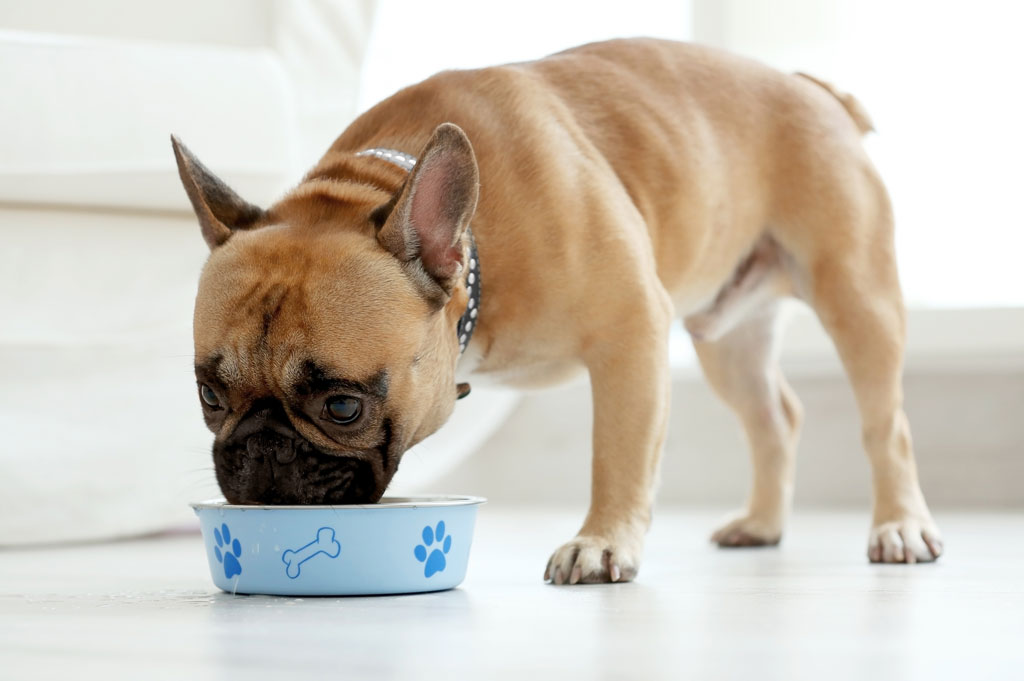
French Bulldogs have a reputation for being picky eaters, and owners frequently rotate foods looking for something their dog loves or add rich table scraps and treats to increase palatability. Others switch from puppy food to adult food abruptly when the bag runs out without the gradual transition that this breed specifically requires.
Why It Matters
French Bulldogs have sensitive stomachs. Switching food too quickly or feeding low-quality food can cause bloating and loose stools. Beyond digestive upset, diet has a direct and documented relationship with the inflammatory skin conditions this breed is highly prone to. Grain-heavy diets that contain artificial preservatives, synthetic colours, and flavour enhancers have been strongly associated with inflammatory skin conditions in brachycephalic breeds. A Frenchie whose skin is constantly inflamed and whose coat is dull and itchy is often eating a diet that is directly driving that inflammation, and the owner is treating the skin symptom without addressing the nutritional cause.
The Fix
Feed a high-quality kibble where a named meat protein — chicken, turkey, salmon, beef — is listed as the first ingredient. Avoid foods where the first several ingredients are grains, corn, soy, unnamed meat meals, or artificial additives. If your Frenchie has persistent skin issues, discuss a novel protein or hydrolyzed protein diet trial with your veterinarian — this is the only reliable way to determine whether food sensitivity is driving the skin problem.
Any food transition must take a minimum of 7 to 10 days. On days 1 and 2, feed 75% old food and 25% new. On days 3 and 4, feed 50% each. On days 5 and 6, feed 25% old and 75% new. From day 7 onward, feed the new food exclusively. This gradual transition gives the gut microbiome time to adjust and dramatically reduces the risk of diarrhoea, vomiting, and gas that characterize abrupt food changes in this breed.
Treats should comprise no more than 10% of total daily caloric intake. Always avoid overfeeding and stick to regular portion sizes to keep your French Bulldog in great shape. Every additional kilogram of body weight a Frenchie carries directly worsens their BOAS breathing difficulty because excess fat deposits in the throat further narrow the already compromised airway.
Mistake Four: Missing the Signs That BOAS Needs Veterinary Assessment
Why This Mistake Happens
Owners normalize their Frenchie’s breathing sounds because they were present from the first day they brought the dog home. The snoring, snuffling, and labored breathing after mild exertion become background noise — accepted as personality rather than recognized as a symptom. By the time the owner realizes something is seriously wrong, the dog has often been struggling for months or years.
Why It Matters
BOAS can range from mild snoring to life-threatening airway obstruction. Dogs with moderate to severe BOAS often struggle in hot weather, during exercise, or even while eating and sleeping. The disease is progressive — it does not stay mild, it worsens as the secondary structural changes develop over time. Everted laryngeal saccules, which develop as a consequence of the sustained negative pressure created by labored breathing, progressively narrow the airway the longer they go untreated.
The Fix
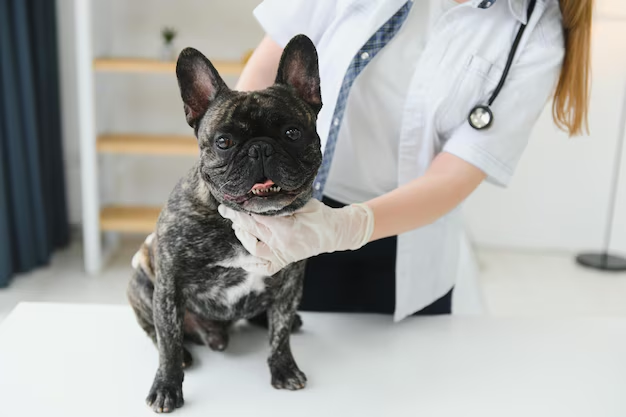
Take the following symptoms seriously and discuss them with your veterinarian at the next appointment rather than accepting them as normal: breathing that is audible at rest from more than a few feet away, consistent exercise intolerance that limits normal daily activity, repeated gagging or regurgitation, sleep that is constantly interrupted, or any episode of distress in moderate temperatures. BOAS surgery can range between $1,500 and $5,000, depending on severity. When performed early, before secondary changes worsen the condition, the outcomes are significantly better, and the quality of life improvement for the dog is profound and immediate. Early surgery is not elective luxury care — it is preventive medicine for a condition that worsens predictably without intervention.
Mistake Five: Skipping Dental Care Entirely
Why This Mistake Happens
Dental care is the most commonly skipped element of dog grooming across all breeds, and Frenchies are no exception. Owners see small teeth, assume small problems, and do not establish any brushing routine. Professional cleanings feel expensive and unnecessary for a dog that is eating and behaving normally.
Why It Matters
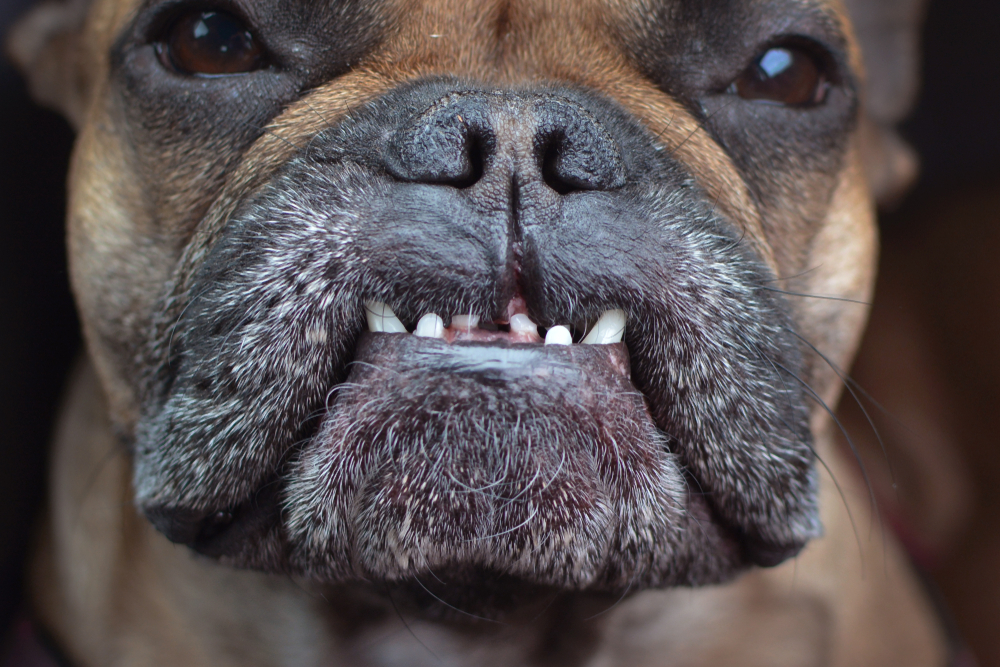
French Bulldogs have all the same number of teeth as larger breeds compressed into a significantly smaller jaw, which causes crowding, misalignment, and dramatically accelerated plaque and tartar accumulation. Periodontal disease — infection of the structures supporting the teeth — progresses silently and painlessly until it is advanced, at which point it causes tooth loss, jaw bone damage, and bacterial spread to the heart, kidneys, and liver through the bloodstream.
The Fix
Brush your Frenchie’s teeth with a dog-specific toothpaste and finger brush or toothbrush a minimum of three times per week, daily if possible. Begin the habit during puppyhood so the dog accepts it as a normal part of the routine. Schedule a professional veterinary dental cleaning annually — every year without exception, because the dental anatomy of this breed makes annual professional cleaning a genuine medical necessity rather than an optional cosmetic procedure. Between brushing sessions, dental chews approved by the Veterinary Oral Health Council provide some additional plaque control, though they are a supplement to brushing rather than a replacement for it.
Your Frenchie Is Counting on You to Know What They Cannot Tell You
Every mistake in this guide is made from love without information. Now you have the information. Clean the folds daily. Walk before 9 am and after 7 pm in warm weather. Transition food over 10 days minimum. Take the breathing sounds seriously. Brush the teeth. These five changes, applied consistently, will add years to your Frenchie’s life and reduce their vet bills significantly. That is exactly the return you deserve for giving this breed the specific, informed care it genuinely requires.