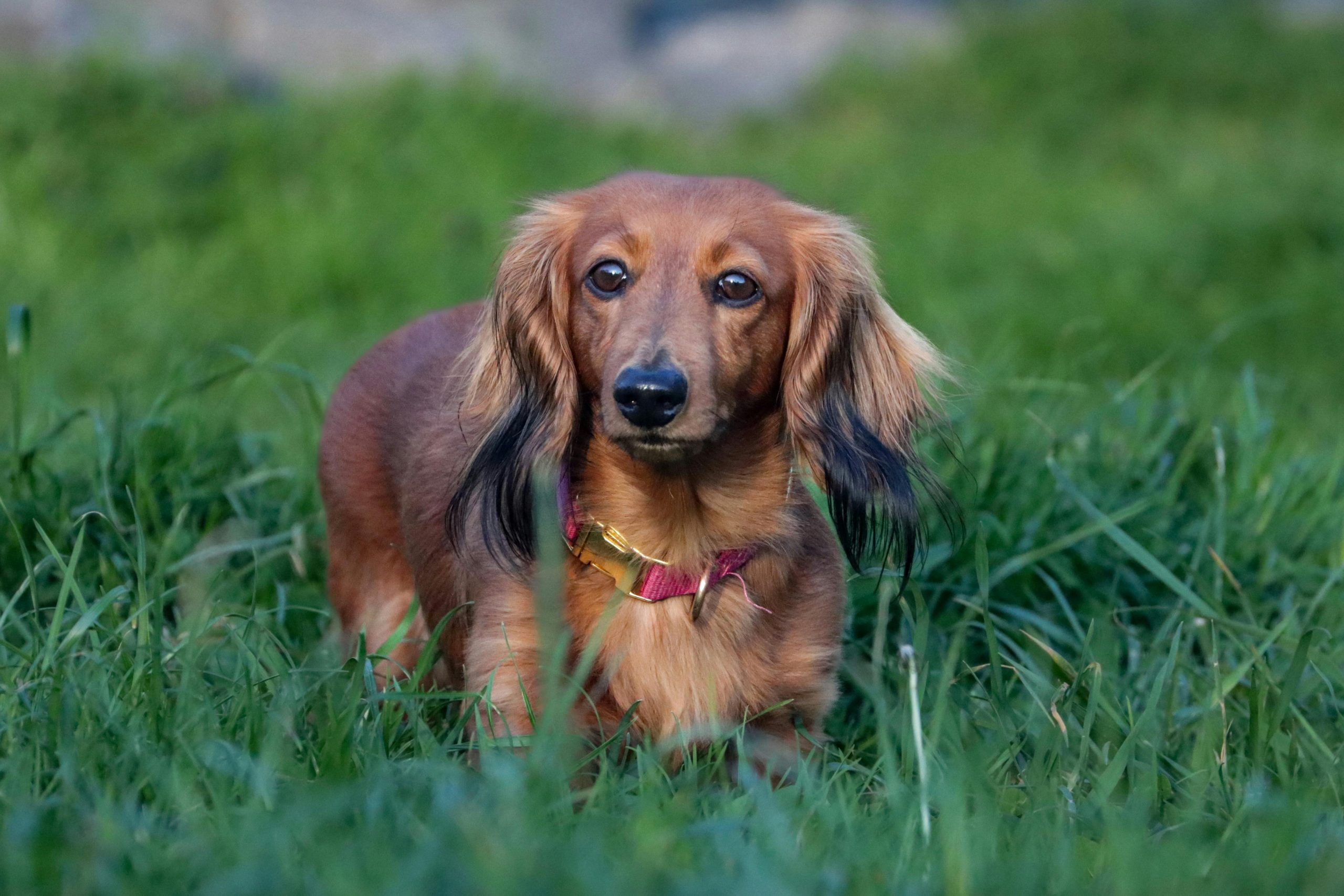
Dachshunds are rising fast in popularity in 2026 — and it’s easy to see why. They’re small, long, deeply photogenic, and they have a personality so oversized it barely fits in that little body.
But here’s what the cute Instagram videos don’t always show you: dachshunds are a lot. They’re one of the most opinionated, tenacious, loud, and loveable dog breeds you’ll ever meet — and if you’re not prepared for that combination, you’re in for a surprise.
This guide covers the full picture: what dachshunds are actually like to live with, the traits that win you over, and the ones that will test your patience daily.
The Foundation: What Were Dachshunds Bred For?
To understand a dachshund’s personality, you have to understand what they were designed to do. Dachshunds were bred in 16th-century Germany specifically to hunt badgers — and sometimes wild boar. They were sent into underground burrows to flush out prey that was, in many cases, larger than they were.
That origin story explains almost everything about a modern dachshund’s personality:
- The stubbornness (they had to work independently underground, far from their handler)
- The loudness (they barked to signal their location inside burrows)
- The courage (badgers are genuinely dangerous animals)
- The digging (it was their literal job)
- The prey drive (everything small that moves is a target)
You are not dealing with a dog that was bred to please you. You’re dealing with a dog that was bred to outsmart a badger.
Personality Trait #1: Fierce Loyalty With a Side of Possessiveness
Dachshunds bond intensely with their people — usually forming a primary attachment to one person in the household. Once that bond is formed, it runs deep. Your dachshund will follow you from room to room, press against your leg on the couch, and genuinely appear distressed when you leave.
This loyalty is one of the breed’s most beloved traits. But it comes with an edge. Some dachshunds can become protective of their favorite person to the point of snapping at other dogs or even family members who get too close. Early socialization is important — a well-socialized dachshund is warm and friendly; an under-socialized one can become territorial.
Personality Trait #2: Stubborn Doesn’t Begin to Cover It
Dachshunds are not difficult to train because they’re unintelligent. They’re difficult to train because they have their own opinions about whether what you’re asking is worth doing.
If the reward is high enough and the task is interesting enough, a dachshund can pick up commands quickly. But ask them to do something they’ve decided is pointless — like a formal sit-in the middle of a sniff session — and you’ll be there a while.
Positive reinforcement with high-value treats is the only real way through. Harsh or punishment-based training backfires spectacularly with this breed. They simply shut down, and sometimes they hold a grudge.
Personality Trait #3: Vocal, Opinionated, and Very Loud for Their Size
Dachshunds bark. A lot. They bark to alert you, bark to protest, bark at the mailman, bark at a bird they saw three minutes ago, bark because there was a sound they’re still processing.
Their bark is also comically large for their frame. Visitors to your home who haven’t met your dog before will often be surprised by the sheer volume coming out of a 10-pound animal.
This is something to genuinely consider if you live in an apartment or have nearby neighbors. Some dachshunds can be managed with training — but it takes consistency, and some individuals are just barky by nature.
Personality Trait #4: Fearlessly Brave (to the Point of Recklessness)
Dachshunds do not have an accurate read on their own size. They will square up with dogs five times larger than themselves without hesitation. They will launch themselves off furniture at heights that make owners wince.
This fearlessness is charming, right up until it becomes a health concern. Dachshunds are particularly prone to intervertebral disc disease (IVDD) because of their long spines, and their tendency to jump off couches or beds dramatically increases the risk. Ramps and steps for furniture are not optional accessories for this breed; they’re for injury prevention.
Personality Trait #5: Burrowers, Diggers, and Nest-Makers
Your dachshund will root under every blanket, pillow, and piece of clothing they can find. This burrowing behavior is completely instinctive — underground was their natural workspace, and they feel safe enclosed in soft spaces.
This is endearing until they burrow under your duvet and you accidentally sit on them in the dark. It’s a thing that happens.
They’re also diggers — yards are not safe from a motivated dachshund. If you have a garden, protect it now, before you discover what a dachshund with thirty minutes of unsupervised yard time can do to it.
Who Are Dachshunds Best Suited For?
Dachshunds thrive with owners who:
- Have time for real daily engagement (they don’t do well left alone for long stretches)
- Are patient and consistent with training
- Don’t need a quiet household
- Are willing to manage their physical limitations (no excessive jumping, ramps over stairs)
- Think independence and stubbornness in a dog is entertaining rather than frustrating
They’re less ideal for households with very young children who don’t yet understand how to handle dogs gently — dachshunds can be snappy when startled or handled roughly.
Frequently Asked Questions
Are dachshunds good apartment dogs? Yes, with caveats. Their size is apartment-friendly, but their bark volume is a consideration. A well-exercised, mentally stimulated dachshund in an apartment is manageable. A bored one will make itself known.
How much exercise does a dachshund need? More than people expect for their size. Two 30-minute walks per day is a good baseline, plus indoor play. Their backs limit high-impact activities like jumping, but they have solid stamina for walking.
Are dachshunds smart? Yes, but smart in their own way. They’re problem-solvers with strong independent thinking, which is not the same as being eager to follow instructions. They’re clever. They’re just not obedient by default.
Do dachshunds get along with other dogs? It depends heavily on early socialization. Many dachshunds coexist fine with other dogs they grew up with. With strangers, their boldness can tip into aggression. Introductions should always be calm and controlled.