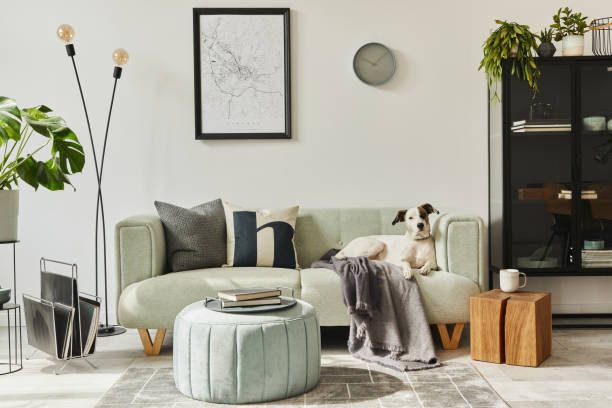
Americans keep approximately 65 million dogs. That number represents more individual human-dog relationships than the population of France — and it reflects the specific, deeply rooted place that dogs occupy in American domestic and cultural life.
The American Kennel Club’s registration data provides a fascinating lens into which breeds have captured the American relationship with dogs most completely. But popularity alone is not the full picture — the breeds that genuinely thrive in American households are the ones that fit the specific qualities of American life: the range of climates from Minnesota winters to Florida summers, the variety of living situations from Manhattan apartments to Texas ranches, and the specific American affection for dogs who are genuinely, enthusiastically engaged with family life.
These twelve breeds represent the full picture — the most popular, the most suited, and the most genuinely excellent choices for the range of American dog-owning life.
Breed 1: French Bulldog — America’s Current #1

As of 2025, French Bulldogs are the most popular registered dog breed in the United States according to AKC registration data. Their rise to the top has been one of the fastest in breed history — from relative obscurity to the most registered breed in approximately fifteen years.
The reasons are clear: compact size suited to apartment and suburban living, low exercise requirements relative to their personality richness, adaptability to American indoor lifestyles, and a personality that is simultaneously affectionate and genuinely entertaining. The French Bulldog is the dog for the American who wants maximum personality in minimum space.
The honest health note: the brachycephalic anatomy requires specific management, heat vigilance, and a veterinary budget that exceeds many other breeds. This has not reduced their popularity — but every prospective French Bulldog owner should understand it before committing.
Breed 2: Labrador Retriever — The Generational Constant

The Labrador Retriever held the #1 spot in AKC registrations for 31 consecutive years before being displaced by the French Bulldog. This record is not accidental — it reflects a breed whose qualities are so broadly applicable to such a wide range of American households and lifestyles that it has remained the top choice across three decades of demographic change.
Labs are large, athletic, and highly trainable. They are excellent family dogs, reliable working dogs, and among the most versatile breeds in existence — comfortable as a family companion, a service dog, a hunting dog, or anything in between. Their food motivation makes them highly trainable. Their size and energy make them an appropriate fit for active families with space.
The Lab’s continued excellence is in its adaptability. No American climate or lifestyle that a dog can manage is particularly wrong for a Labrador who receives adequate exercise.
Breed 3: Golden Retriever — The American Dream Dog

If the Labrador is the most popular dog in America by registration data, the Golden Retriever is arguably the most loved. The Golden occupies a specific cultural space in American dog consciousness — the backyard Frisbee dog, the family photo dog, the therapy dog, the friend of everyone they have ever met.
Golden Retrievers consistently rank in the top five most popular breeds and consistently top surveys of “best family dog” recommendations. Their emotional attunement to their people, their trainability, their patience with children, and the specific warmth of the breed’s temperament make them the quintessential American family dog.
The health consideration: cancer rates in Golden Retrievers are significantly higher than most breeds — approximately 60% of Goldens will develop cancer in their lifetime. This is a conversation to have with any breeder and any veterinarian before committing to the breed.
Breed 4: German Shepherd — America’s Working Dog
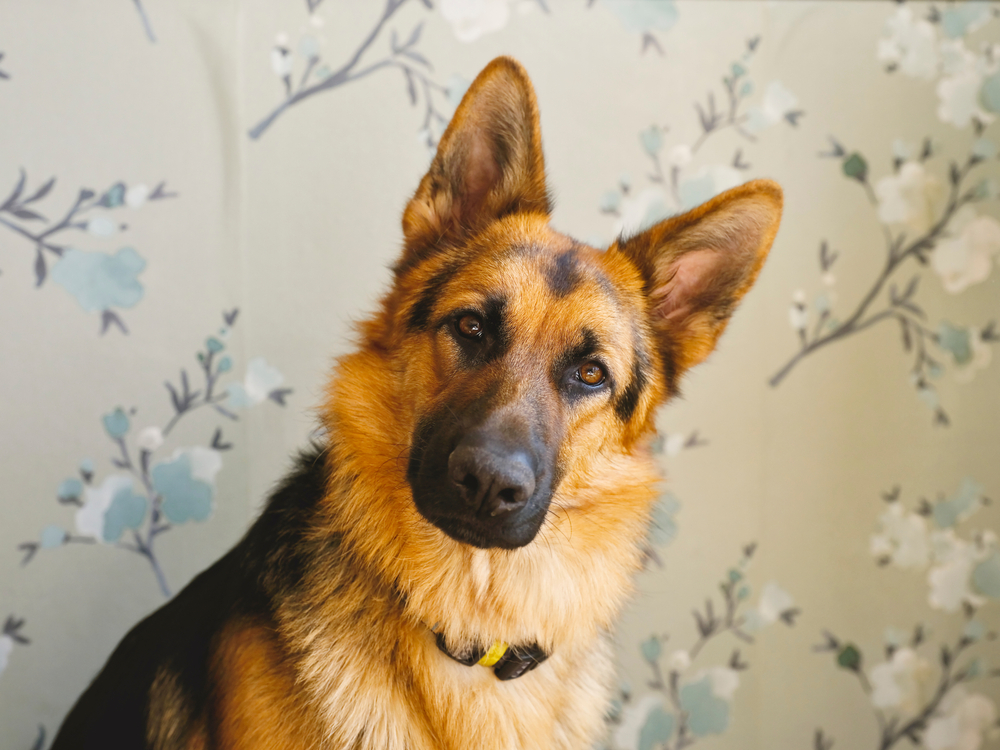
The German Shepherd is the second most common breed in American law enforcement and military service, the first in many service dog applications, and the fourth most popular breed overall. Their intelligence, trainability, and loyalty make them one of the most capable dogs available in any role.
In American households, the German Shepherd is the dog that most closely replicates the working dog experience in a family setting — they are actively engaged with the household’s activities, genuinely protective without being aggressive when properly socialized, and trainable to a standard that makes them one of the most impressively behaved dogs available when the training investment is made.
The commitment note: a German Shepherd without adequate daily exercise and mental engagement is not a settled family dog. They require both consistently.
Breed 5: Poodle — The Intelligence Champion
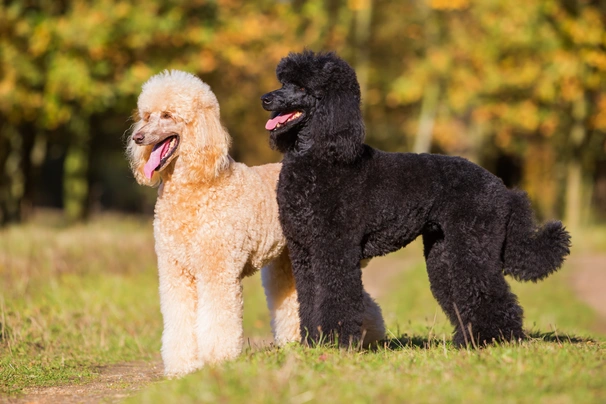
Poodles are consistently ranked among the two or three most intelligent dog breeds in the world, and their intelligence combined with their low-shedding coat makes them one of the most popular breeds for allergy-affected households. Available in three sizes — Standard, Miniature, and Toy — they are genuinely versatile in terms of living situation requirements.
The Standard Poodle is an athletic, active large dog. The Miniature is a perfect apartment-to-suburban transition breed. The Toy is the most compact, most city-apartment-friendly, and most lap-dog adjacent of the three.
All three carry the breed’s hallmark intelligence, trainability, and affectionate nature. All three require the same significant grooming commitment. All three are genuinely excellent dogs.
Breed 6: Bulldog — The American Spirit Animal

The Bulldog — specifically the English Bulldog — is the mascot of more American universities, sports teams, and cultural institutions than any other breed. This cultural adoption reflects something real about the American relationship with the Bulldog’s specific combination of determined, sturdy stubbornness and genuine affectionate gentleness.
Bulldogs are low-exercise, apartment-friendly, gentle with children, and possessed of the specific dignity that makes them the dog that people photograph most. They snore. They drool. They occupy significantly more emotional territory than their physical size suggests.
The health reality: Bulldogs are brachycephalic and share the French Bulldog’s heat management challenges. They have higher-than-average veterinary costs. And they are one of the most surrendered breeds when owners discover the health costs they were not prepared for. Know the commitment before choosing the cuteness.
Breed 7: Rottweiler — The Misunderstood Loyal Giant
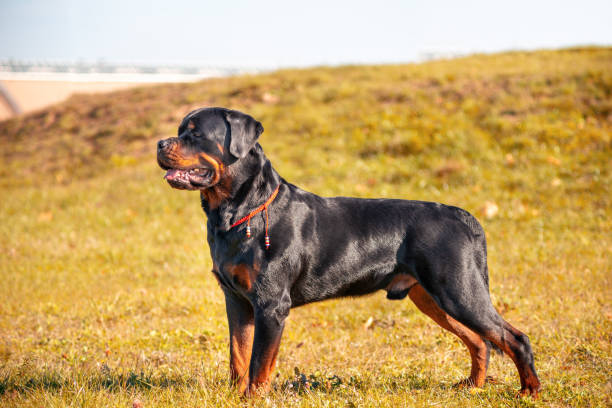
The Rottweiler’s reputation as a dangerous breed does not survive contact with a well-bred, well-socialized Rottweiler — the breed that most of its owners describe as deeply loyal, calm, and affectionate to the point of permanent lap-dog ambition in a 100-pound body.
The Rottweiler is a confident, powerful breed that requires responsible ownership — clear, consistent training, appropriate socialization, and management of the breed’s natural protective instincts in public settings. With these elements in place, the Rottweiler is one of the most steadily loyal companions available.
They are consistently in the top ten most registered breeds in the United States, reflecting a significant community of experienced owners who understand what they are committing to and find the commitment worthwhile.
Breed 8: German Shorthaired Pointer — The Active Lifestyle Match

For the American household that is genuinely active — hiking, running, hunting, outdoor lifestyle — the German Shorthaired Pointer is the breed that most completely matches that energy profile. They are athletic, versatile, excellent hunters, strong swimmers, and possessed of a genuine drive for activity that makes them one of the most energetic medium-large breeds available.
The GSP is not the right dog for apartment life or for households without significant daily outdoor activity. But for the active American household with space, outdoor access, and a commitment to exercise, the German Shorthaired Pointer is one of the most completely satisfying dogs available.
Breed 9: Beagle — The Nose in a Hound Package

The Beagle is one of the most recognizable dogs in American popular culture — Snoopy is a Beagle — and their presence in American households reflects genuine breed qualities: moderate size, low maintenance coat, adaptability to both urban and rural settings, and a gentle, friendly temperament that makes them one of the safest breeds around children and other dogs.
The honest Beagle note: they are scent hounds with the scent hound’s trait of following their nose regardless of commands. A Beagle who scents something interesting on a walk may become temporarily unavailable for recall. Management and consistent training address this, but the instinct remains.
Breed 10: Dachshund — The Dog That Fits Everywhere
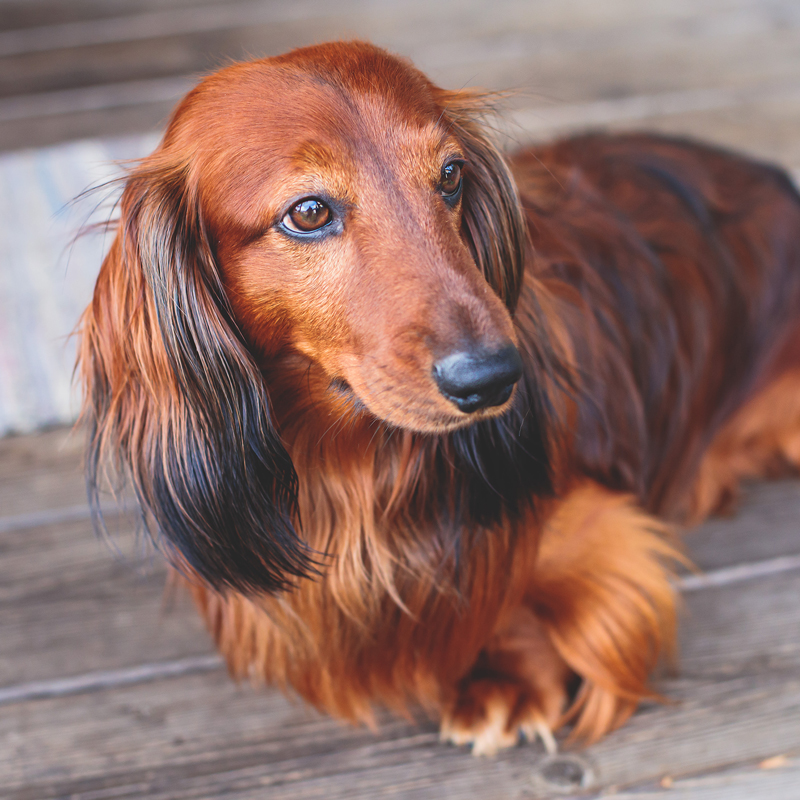
The Dachshund’s compact size, manageable exercise requirements, and distinctively outsized personality for their physical dimensions make them one of the most city-apartment-friendly and most practically manageable breeds available to Americans in a wide range of living situations.
Their three coat varieties (smooth, longhaired, wirehaired) and two size variants (standard and miniature) provide significant choice within the breed, and each combination has its specific character.
The IVDD consideration (addressed fully in the Dachshund care article) is the most important health fact for any prospective Dachshund owner — the back is the management commitment that comes with the breed, and it is a real one.
Breed 11: Pembroke Welsh Corgi — The Royal Breed That America Adopted
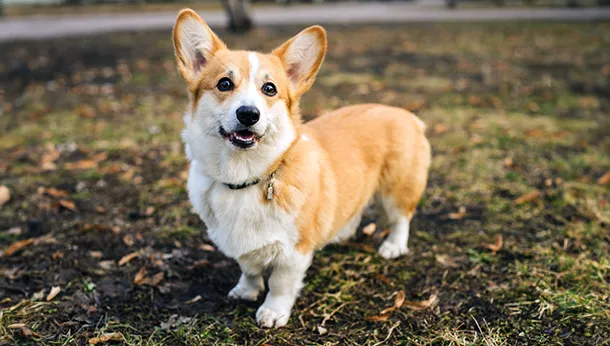
The Pembroke Welsh Corgi’s association with Queen Elizabeth II gave them a level of international recognition that their small numbers in America had not previously achieved — and that recognition, combined with the specific adorable quality of the breed at every age, has translated into consistent and growing American popularity.
Corgis are intelligent, energetic, characterful dogs in compact bodies. They are suitable for a wider range of living situations than their herding energy level might suggest — if exercise and mental stimulation requirements are met, they adapt well to apartment life. The Corgi butt has achieved cultural icon status for reasons that are entirely understandable to anyone who has seen one in motion.
Breed 12: Australian Shepherd — The Active Household’s Perfect Partner
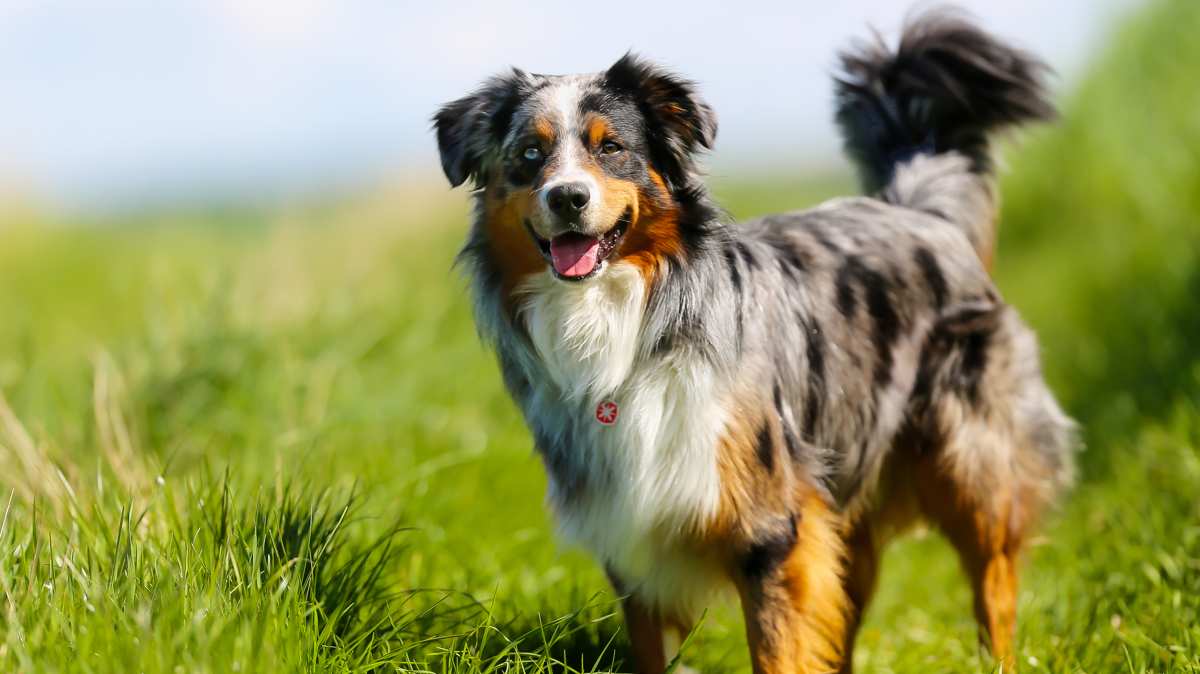
The Australian Shepherd has moved from primarily rural and working-dog contexts into mainstream American suburban life — a transition driven by their extraordinary intelligence, their striking merle coloring, and their genuine affection for the families they bond to.
They are a high-energy, high-intelligence herding breed that requires daily exercise and mental engagement at levels that sedentary or low-activity households cannot provide. In the right household — active, with space, with owners who engage with the dog’s intelligence through training or sport — the Australian Shepherd is one of the most genuinely extraordinary partners available.
The mismatch problem: Australian Shepherds in households that cannot meet their needs develop behavioral problems that are difficult to manage and widely reported. The breed is only appropriate for households genuinely prepared for the commitment.
Choosing the Right Breed for Your American Lifestyle
Urban apartment, low exercise: French Bulldog, Bulldog, Dachshund, Toy Poodle
Suburban family with children: Golden Retriever, Labrador, Buff Orpington, Beagle
Active outdoor lifestyle: German Shorthaired Pointer, Australian Shepherd, Labrador, German Shepherd
Cold climate: German Shepherd, Husky (not covered here but worth noting), Golden Retriever
Hot climate: French Bulldog and Bulldogs require extra heat management. Labrador, Beagle, and shorter-coated breeds manage hot climates more easily.
First-time owners: Labrador, Golden Retriever, Beagle, Poodle
The best dog breed in the United States is not a single answer — it is the breed that fits your life, your space, your activity level, your household composition, and the specific relationship you are looking for with an animal that will be part of your daily existence for the next ten to fifteen years.
Every breed on this list has earned its place in American hearts and homes. The research you do before the dog comes home is what ensures the relationship it produces is everything it should be.
Save this guide to Pinterest, share it with everyone considering a dog, and take the time to match the breed to the life rather than the life to the breed. The right dog is out there.