You want a hunting dog. Or you are thinking about wanting one. Either way, you have noticed that the answer to “which hunting dog should I get?” is never as simple as the question sounds, because the right hunting dog depends on a set of variables — what you hunt, where you hunt, how experienced a dog owner you are, what your home situation is, and what you want from the relationship when the season closes — that no single breed answers for every person. This guide matches you to the right breed for your specific hunting situation by starting with what you are hunting and working from there. It is the most specific, most honest hunting dog selection guide you will find.
If You Hunt Ducks and Waterfowl
Your primary requirement is a dog that loves cold water, retrieves reliably, and has the physical coat and build to work in the conditions that waterfowl hunting creates — rain, cold, mud, early mornings before the sun has warmed anything. Not every retriever is equally suited to all of these demands.
First Choice — Labrador Retriever
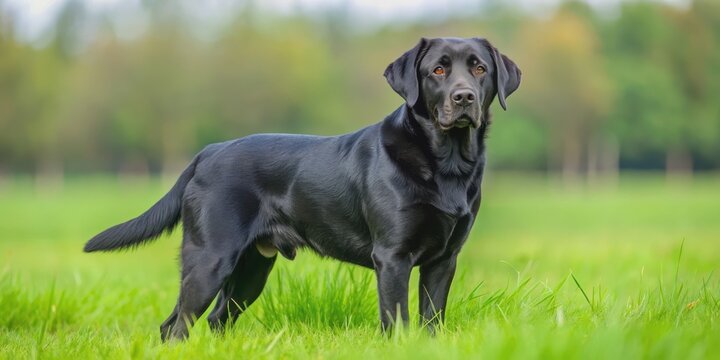
The Labrador Retriever is actually considered one of the best gun dog breeds for duck hunting. Labrador Retrievers are very good swimmers and can last long in cold temperatures. The combination of the Lab’s dense, water-resistant double coat, powerful swimming ability, cold-water tolerance, and reliable, trainable temperament in retrieve work makes it the most practical first choice for a waterfowl hunter who wants a dog that will also function as a family companion.
Second Choice — Chesapeake Bay Retriever
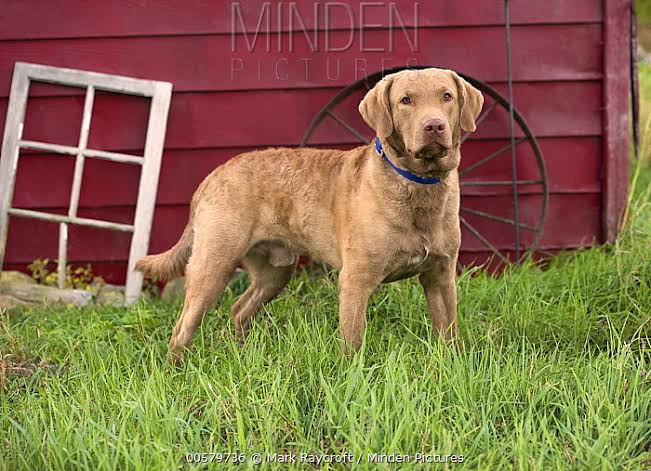
The Chesapeake Bay Retriever closely resembles a Labrador Retriever in appearance but possesses a distinct wavy coat and a slightly more independent personality. The Chessie’s oily double coat provides water resistance and insulation that genuinely exceeds the Lab’s in severe conditions. If you are hunting in conditions that push the limits of what a Lab can comfortably handle, the Chessie is the answer. They are known for their intense loyalty and strong bond with their owners. The trade-off is a more independent temperament that rewards experienced handling.
Third Choice — Boykin Spaniel
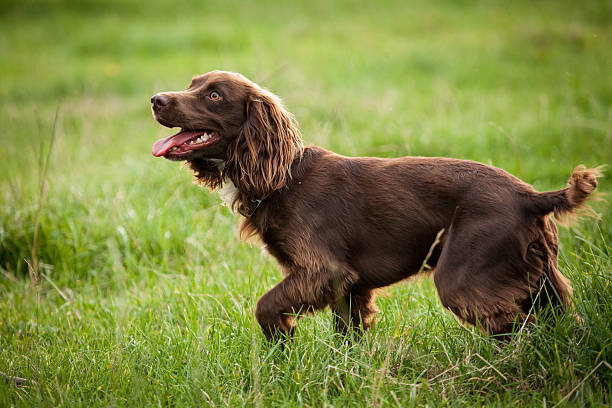
While any spaniel breed is an excellent choice for a hunting companion, the Boykin Spaniel is particularly well-suited for hunting ducks. If you hunt from a small boat or canoe and need a dog that fits under the seat and retrieves with genuine capability, the Boykin was literally bred for this application.
If You Hunt Upland Birds — Pheasant, Grouse, and Quail
Upland hunting with dogs uses the full range of gun dog types — pointers, setters, flushing spaniels, and versatile breeds — and the best choice depends significantly on the terrain you hunt.
Open Country Hunting — Choose a Pointer or Setter
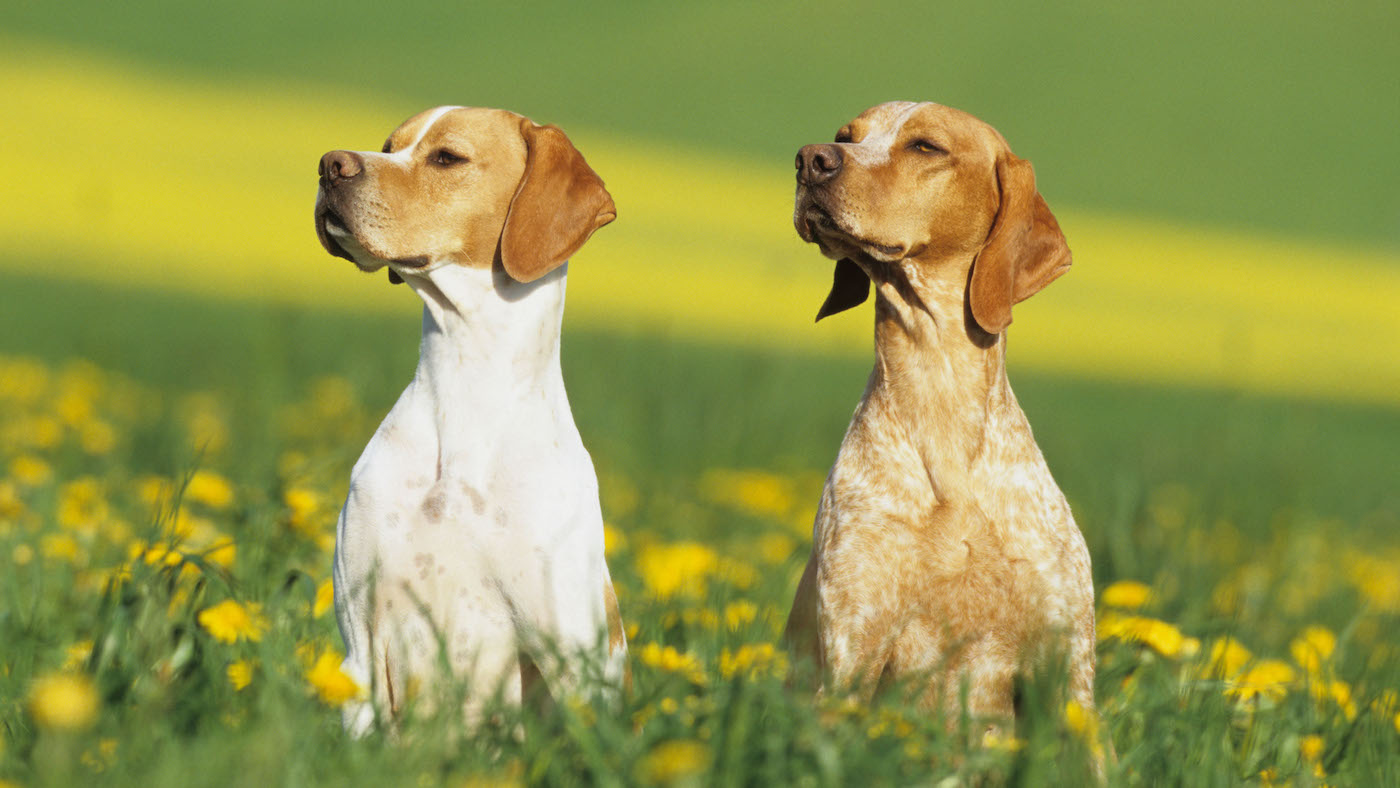
For large, open fields where birds can be found across significant distances, the far-ranging pointer and setter breeds are the correct choice. The German Shorthaired Pointer is a favorite among bird hunters for pheasant hunting across much of the Midwest and Great Plains. The English Setter has become the most commonly owned bird dog among experienced upland hunters. The English Pointer is particularly well-suited to hot, dry southern upland hunting — its body can withstand hot and humid weather.
Dense Cover Hunting — Choose a Flushing Spaniel
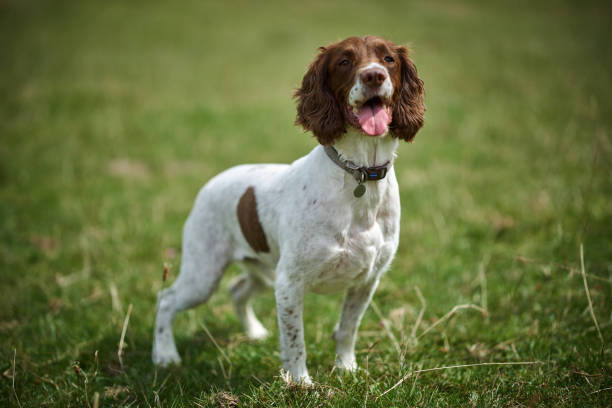
For thick brush, dense undergrowth, and tight cover where a wide-ranging pointer cannot work effectively, the English Springer Spaniel is the iconic upland flushing dog. Their energetic personality and strong sense of smell allow them to locate and retrieve games efficiently. The cocker spaniel works similarly in even tighter cover and small-game contexts.
You Want to Do Both — Choose a Versatile Breed
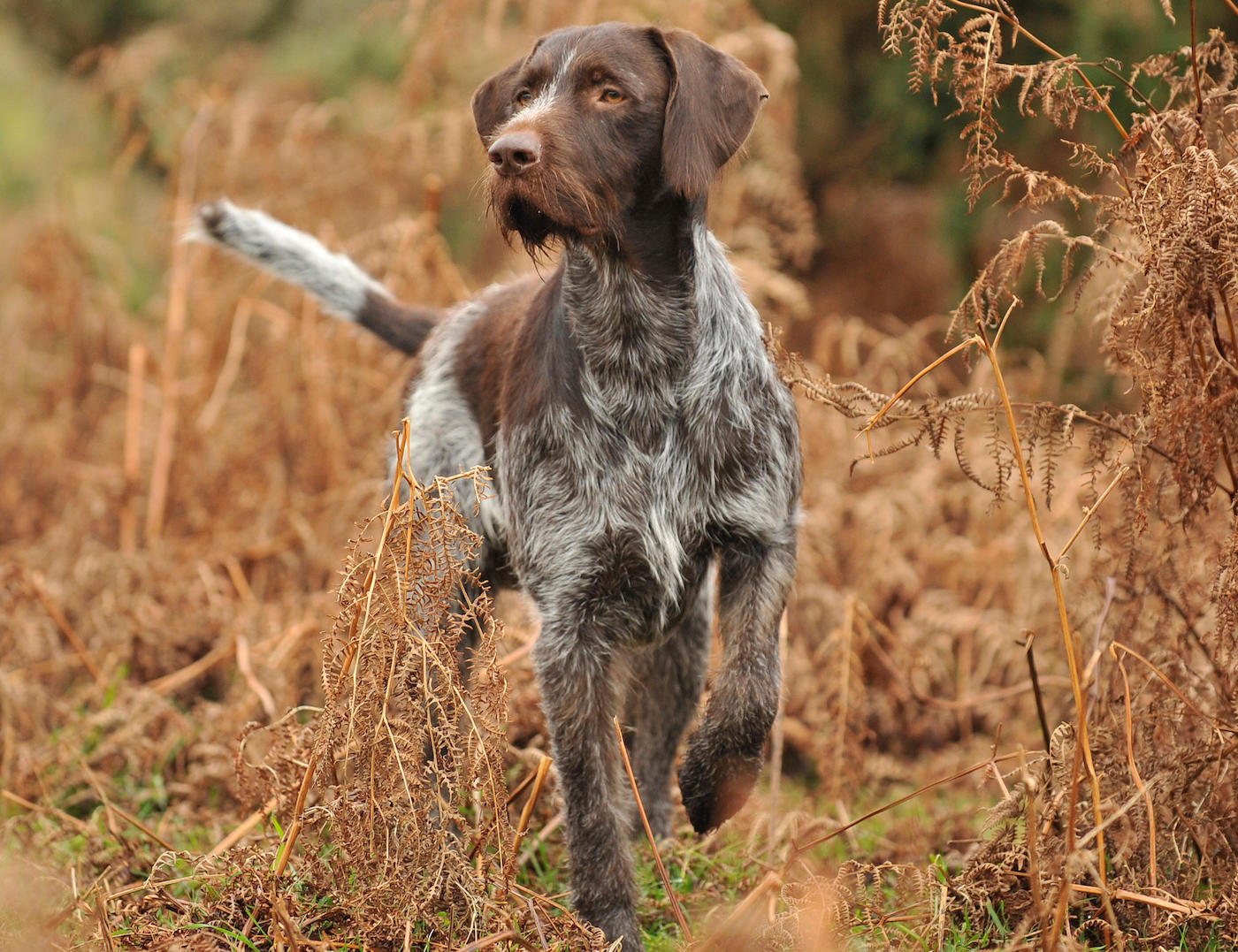
The German Shorthaired Pointer is the most versatile gundog — it points, tracks, retrieves on land and in water. If you hunt multiple game types across multiple terrains, the GSP or the Vizsla offers the most complete all-around capability in a single dog.
If You Hunt Rabbits and Small Game
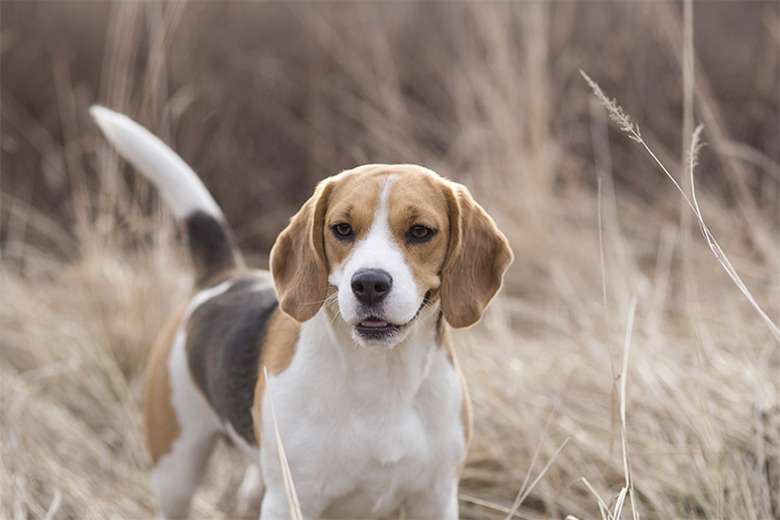
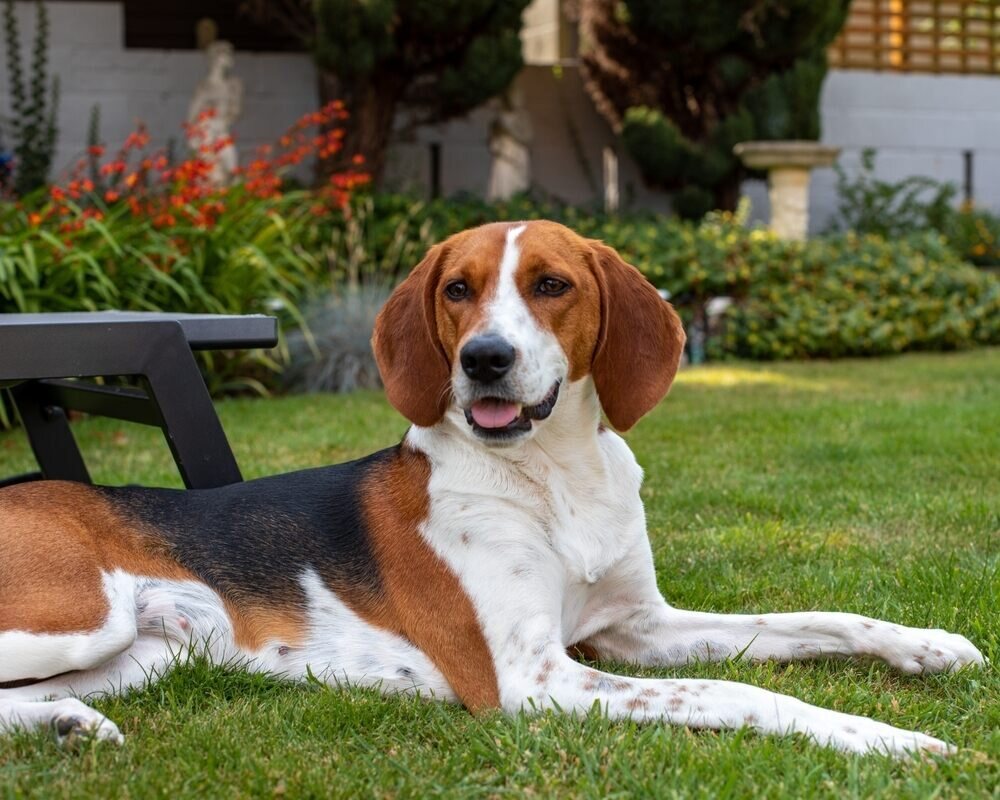
Rabbits are the province of the scent hound, specifically breeds developed to follow a rabbit trail through cover and keep the rabbit moving in front of the hunter. Beagles are compact yet determined, exceptional scent hounds mainly used for tracking small game like rabbits and hares. They possess a powerful sense of smell and persistence.
The Beagle is the clearest first choice for rabbit hunting — their size, their nose, their persistence on a cold trail, and their distinctive voice that tracks the rabbit’s location for the hunter all make them purpose-built for this application. Their pack-hunting heritage means they work well in groups, and hunting rabbits with a pack of Beagles is one of the most traditional and consistently effective small-game hunting methods available.
For rabbits and squirrels in wooded terrain, the treeing spaniels and feist breeds also work effectively, combining the flushing instinct with the treeing behavior that works for squirrel hunting.
If You Hunt Deer
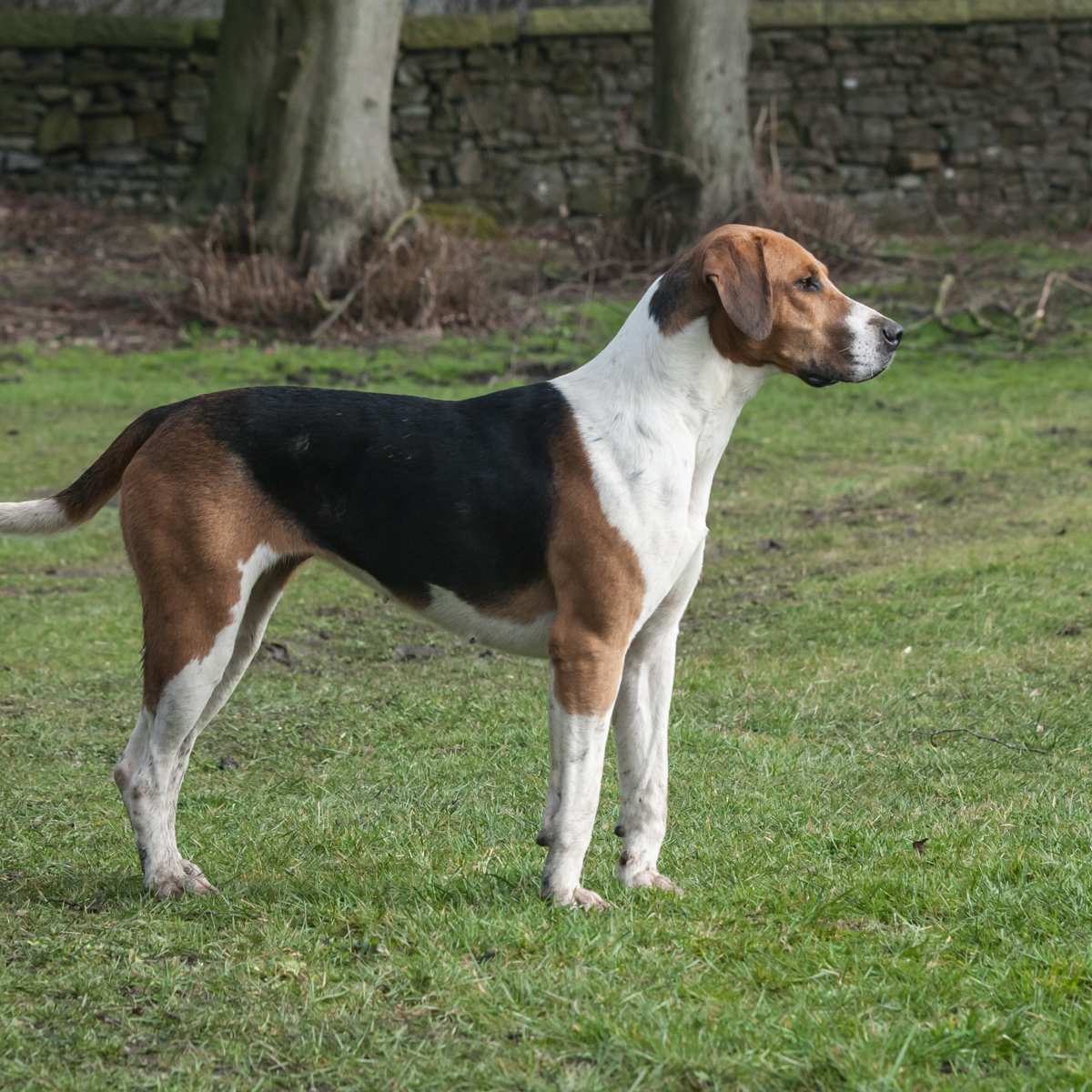
Deer hunting with dogs is legal and traditional in several states, particularly in the South, and uses specific hound breeds bred for the endurance required to trail deer over long distances. American Foxhounds are built for endurance and tracking. Their powerful noses and robust stamina enable them to trail large game over long distances. The Treeing Walker Coonhound, also known for deer hunting in regions where it is permitted, is possibly the most docile of the coonhound varieties, radiating a mellow attitude that also makes it a wonderful house pet.
For the majority of deer hunters who do not hunt with dogs, tracking a wounded deer is where hunting dogs most often enter the equation — and for blood-tracking wounded deer, the Bloodhound and the Bavarian Mountain Scent Hound (increasingly available in the United States) are exceptionally capable tools.
If You Are a First-Time Hunting Dog Owner
The most important variable for a first-time hunting dog owner is not what game they will hunt — it is the training experience. Specialized breeds are best in different roles: pointers identify prey locations, retrievers fetch downed birds, scent hounds track trails, and flushers bring prey into the open. Retrievers are generally easiest to train for a first-time hunting dog owner because their retrieve instinct is strong, their response to positive reinforcement is excellent, and their overall temperament is forgiving of training inconsistencies in ways that pointers and independent hound breeds are not.
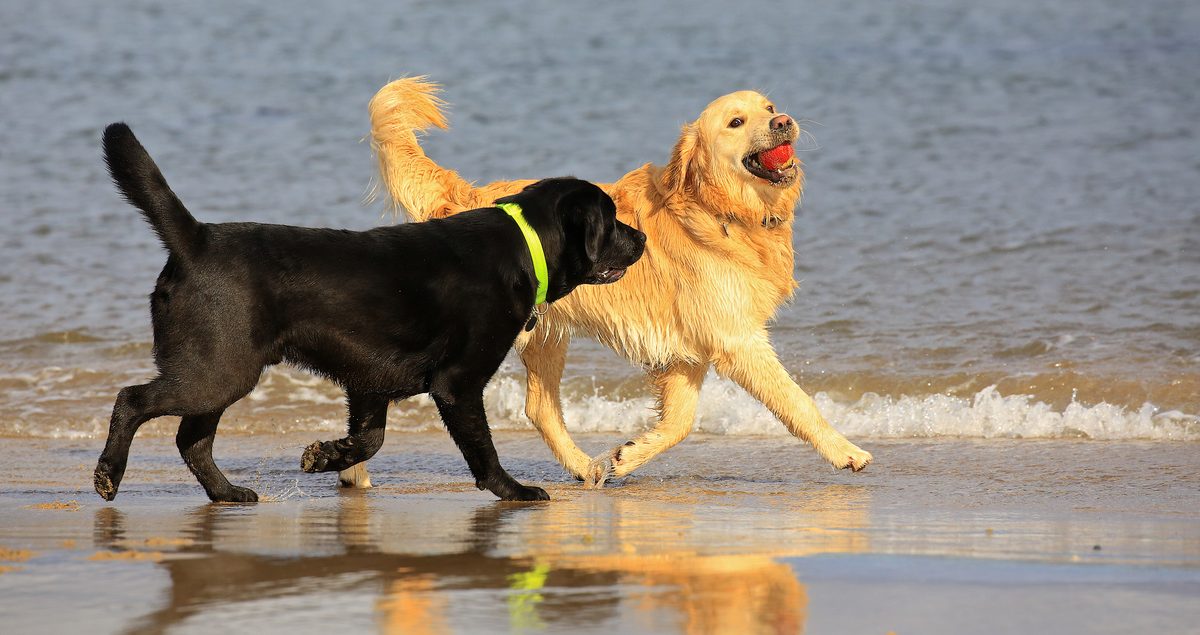
The Labrador Retriever and the Golden Retriever both represent the lowest barrier to entry for first-time hunting dog owners who want reliable field performance alongside excellent family compatibility. The Boykin Spaniel is another excellent first-time choice — very easily trained and excellent at both flushing and retrieving with a temperament that is exceptionally forgiving.
The breeds to approach with more experience first: the Chesapeake Bay Retriever’s independence, the English Pointer’s high drive, and the scent hound’s tunnel-vision focus on a trail all reward experienced handling and can be challenging for the first-time owner to channel productively.
The Question That Simplifies Everything
Every hunting dog breed selection guide eventually comes down to one honest question: what does your daily life look like when you are not hunting? The dog you choose will live with you 365 days a year and hunt with you for some portion of those days — but the home life is the majority of the relationship. Choose a breed whose energy level, size, independence, and daily needs match your actual daily life rather than your aspirational hunting life, and the right hunting dog reveals itself almost immediately.