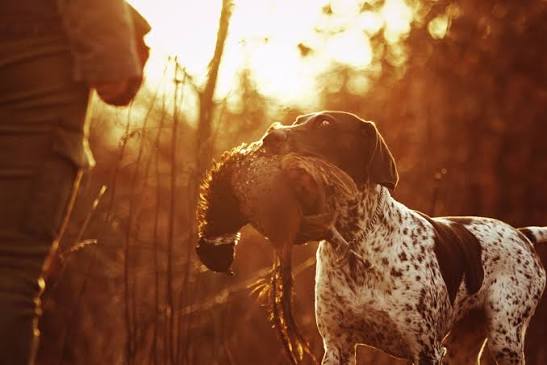
Every dog you have ever met — the Labrador stealing socks, the Beagle with its nose pressed to the ground ignoring all commands, the Pointer going rigid at the sight of a pigeon on a fence — was doing something specific. Not misbehaving. Not being random. Expressing an instinct so deeply encoded in their biology that it runs ten thousand years deeper than the individual dog standing in front of you. These twelve facts about hunting dogs are not trivia. They are the explanation for the behavior that every dog owner witnesses and few fully understand. Read them, and you will never see a dog the same way again.
Fact 1 — The Dog’s Nose Is Not Better Than Yours. It Is an Entirely Different Organ.
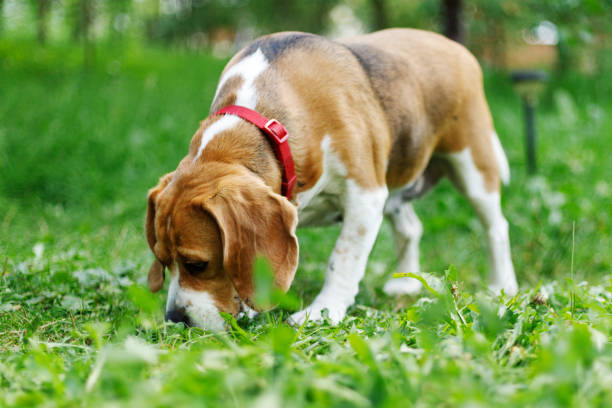
A dog’s sense of smell is estimated to be 10,000 to 100,000 times more sensitive than a human’s. That number is technically accurate and practically meaningless because it implies a relationship of degree between human and canine smell that does not capture the actual difference. A human nose detects chemicals above a certain concentration threshold. A dog’s nose detects individual molecules — literally single molecules of a scent compound in a background of millions of others. The Bloodhound’s nose is so accurate that its tracking evidence is legally admissible in court in several jurisdictions. A scent hound following a trail that is four days old is not following something faint. It is following something that, to the dog, is as vivid and detailed as a highway.
What this means for every dog you have ever walked: the constant nose-to-ground investigation, the refusal to move from a particular spot, the sudden freezing at an apparently empty patch of grass — none of this is a distraction. It is data retrieval. Your dog is reading a newspaper that you have no access to, and they find it consistently more interesting than where you want to go.
Fact 2 — The Retriever’s Soft Mouth Was Bred With Extraordinary Precision
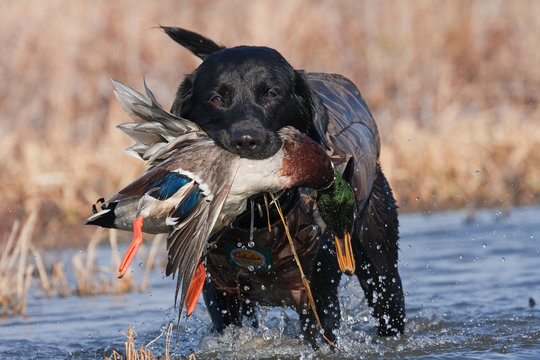
Labrador Retrievers and Golden Retrievers are known for their soft mouths — delivering game undamaged. What this actually means is that generations of selection produced a dog capable of holding an object firmly enough to carry it at speed through water and cover without dropping it, while simultaneously controlling its bite force precisely enough to deliver that object undamaged. This is not a simple behavior. It requires proprioceptive feedback — the ability to sense pressure at the teeth with extraordinary precision — combined with the impulse control to maintain that precise force throughout the retrieve rather than yielding to the instinct to grip more firmly when encountering resistance.
The evidence of this breeding is visible in every dog descended from retriever lines: the tendency to carry objects, the gentleness in play with small animals and children, the characteristic soft-mouthed way they take treats. The same neural pathways that allow a Labrador to deliver a mallard undamaged allow them to take a treat from a toddler’s hand without any concern.
Fact 3 — The Point Is an Interrupted Prey Sequence
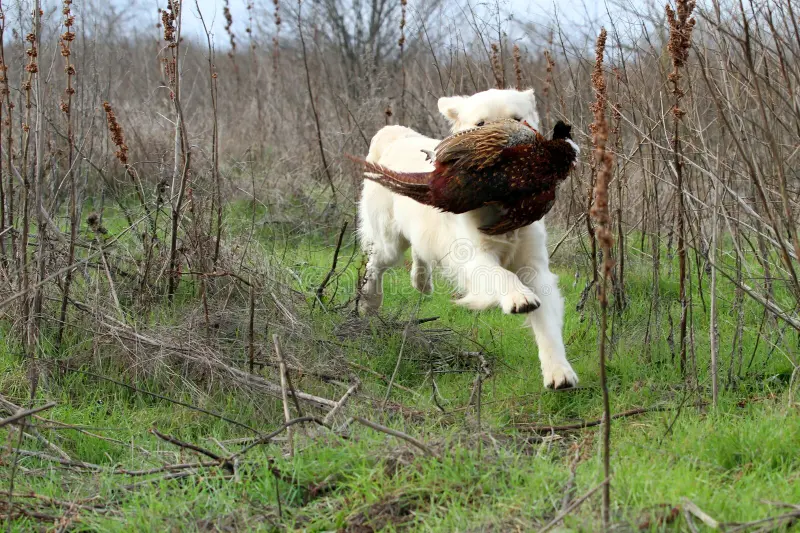
A hunting dog’s point — the freeze with one paw raised, nose aimed at prey — is not a trained behavior at its foundation. It is a natural predatory behavior that was preserved and amplified by selective breeding. Normal predatory behavior in canids follows a sequence: orient — eye — stalk — chase — grab-bite — kill-bite — dissect. The point is the stalk-freeze, preserved and extended by breeding, while the subsequent chase and kill were suppressed. A pointing dog holds the freeze indefinitely because the impulse to complete the prey sequence — to flush and chase — was specifically bred out over generations to serve the human hunter’s need to approach and flush the bird themselves.
The eeriness of watching a dog on point — the absolute stillness, the complete engagement, the sense that the dog is doing something that requires enormous internal effort to maintain — is the accurate perception of exactly that. The dog is doing something that requires enormous internal effort to maintain. They are holding an interrupted instinct at the threshold of completion. The human arrives, the bird flushes, and the point releases into the retrieve — the sequence completing as intended.
Fact 4 — Hound Baying Is Not Barking. It Is a Communication System.
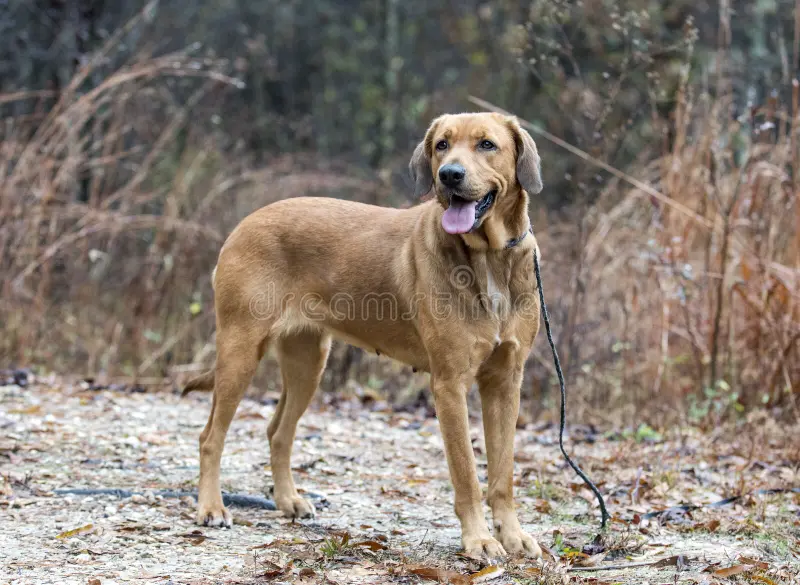
When a pack of Beagles opens in full cry on a rabbit trail, the sound is distinctly different from barking — melodic, sustained, and directional. Hounds are renowned for their distinctive baying. This is not an incidental feature of scent hound breeds. It is a purpose-built communication system developed for precisely the most practical reason: a hunter following a scent hound through cover cannot see the dog. The dog’s voice is the tracker’s signal — a bay indicates that the dog is on a live trail, a specific change in the bay’s character indicates that the quarry has been sighted or treed, and the direction and distance of the sound tell the hunter where to move.
Every dog owner who has ever had a neighbor’s beagle bay at 2 am has been experiencing the operating end of a biological communication tool developed over thousands of years for hunting efficiency. It is not noise. It is information. The information is just not relevant to most domestic situations.
Fact 5 — The Flushing Dog and the Pointing Dog Are Bred to Express Opposite Instincts
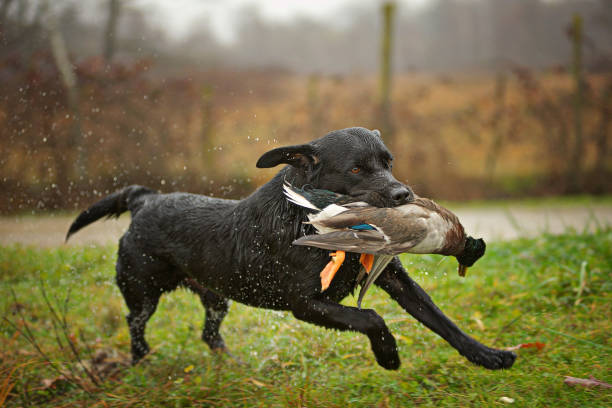
The pointing dog freezes to preserve the bird’s location. The flushing dog rushes in to drive the bird into flight. These are not different levels of the same instinct — they are literally opposite behavioral responses to the same sensory input. The pointer smells the bird and stops. The spaniel smells the bird and accelerates. Both behaviors were selected for human hunting utility, but they reflect fundamentally different breeding emphases across the gun dog family.
This explains the personality difference between pointers and spaniels in the home as much as in the field. Pointers tend toward a more contained, coiled energy that releases explosively. Spaniels tend toward continuous, joyful, forward-moving energy that rarely fully pauses. The pointer’s energy is a held breath. The spaniel’s energy is a perpetual exhale.
Fact 6 — The Greyhound Can See 270 Degrees Around Its Body
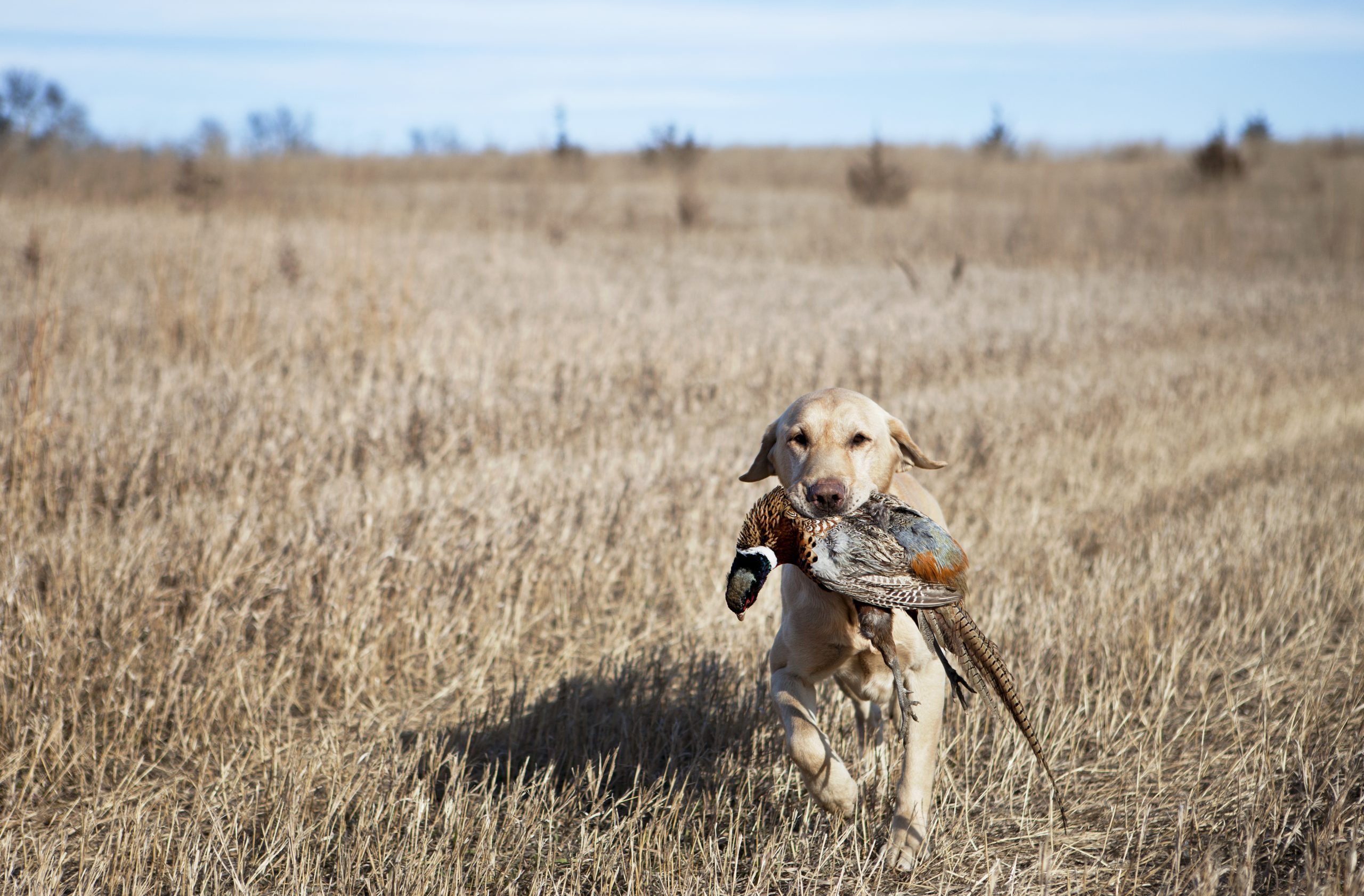
The sighthound’s hunting strategy differs fundamentally from the scent hound’s — it relies on vision rather than smell, requiring visual tracking of prey at speed rather than nose-to-ground trail following. The physical skull structure of a sighthound — the long, narrow head with eyes positioned to the sides — gives the Greyhound a visual field of approximately 270 degrees compared to the human’s 180 degrees. This means a Greyhound can see nearly behind itself without turning its head. In coursing conditions — a Greyhound pursuing a hare across open terrain — this visual field allows the dog to track the hare’s evasive turns without losing visual contact.
The same skeletal structure that gives the Greyhound its visual advantage also gives it its aerodynamic profile — the narrow head reduces air resistance at the speeds the breed achieves, and the double-suspension gallop (the specific gait in which all four feet are off the ground twice in each stride cycle) produces efficiency of movement that makes the Greyhound the fastest dog breed on earth at 45 miles per hour.
Fact 7 — The “Velcro Dog” Behavior in Vizslas Is Breed Behavior, Not Separation Anxiety
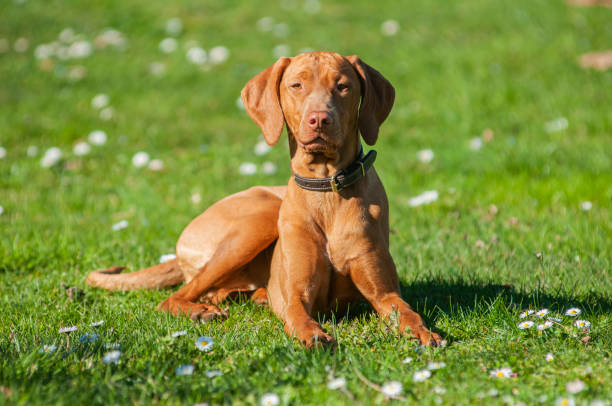
The Vizsla’s habit of pressing against their person constantly — following them from room to room, leaning on them while sitting, sleeping in contact — is consistently misread by dog behavior guides as a sign of separation anxiety or emotional insecurity. It is neither. It is a feature, not a bug, and it was specifically selected for.
The Vizsla was developed as an all-purpose hunting dog that worked closely alongside the hunter rather than ranging independently. Tight adherence to the human partner — checking in constantly, staying close, maintaining contact — was exactly the working behavior that made the Vizsla useful in the field. The same behavior in the home is the direct expression of the working characteristic that makes them exceptional hunting partners. The dog pressing against you on the couch is doing what Vizslas have done for centuries. The difference is that the quarry is your knee rather than a pheasant.
Fact 8 — Labrador Retrievers Were Developed by Fishermen, Not Hunters
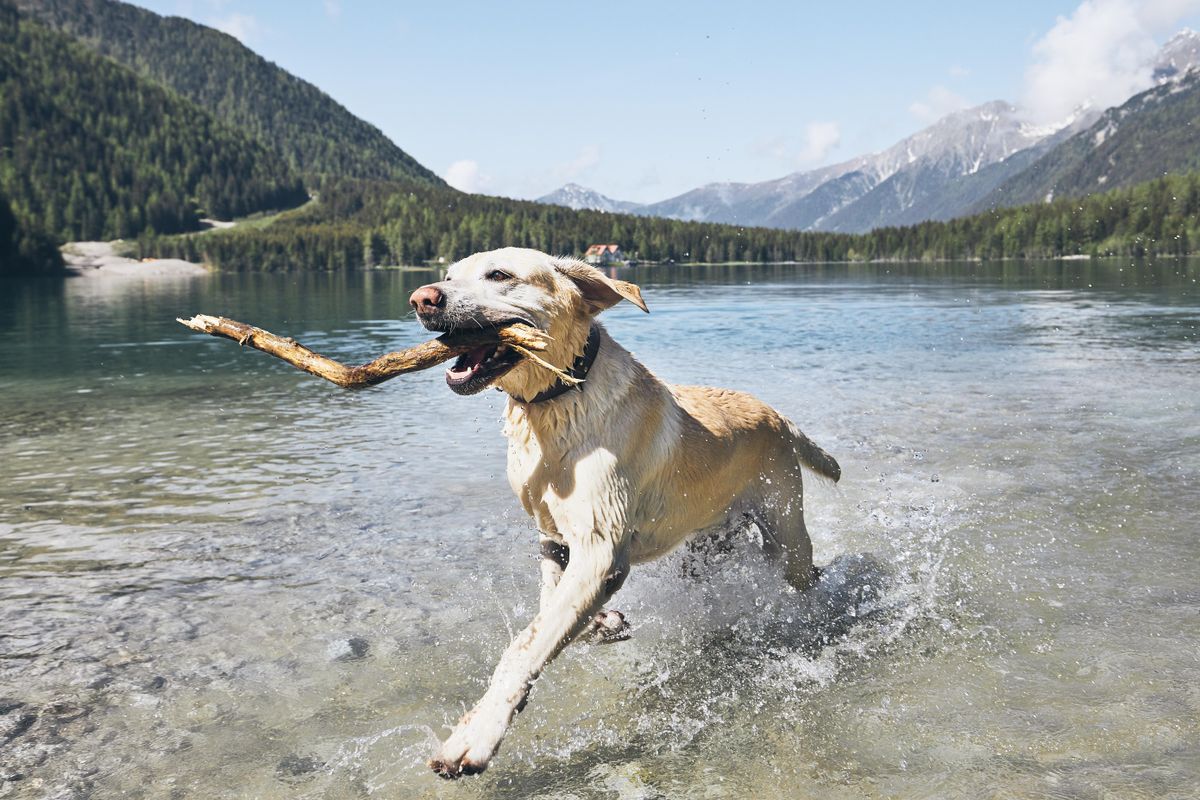
Most people assume the Labrador’s retrieving ability was developed by waterfowl hunters. The actual history is different and more interesting. The ancestors of the Labrador Retriever were developed in Newfoundland by fishermen who needed dogs that could retrieve fishing lines, nets, and fish that escaped into the water. The breed’s love for cold water, its swimming ability, and its drive to pick up and return objects were all developed in the context of fishing work before the breed was ever systematically used for game retrieval.
This origin explains one of the Labrador’s most persistent behavioral traits in domestic settings: the tendency to pick up and carry objects — shoes, toys, remotes, anything available — when greeting people. The behavior that reads as a greeting behavior is actually the expression of a deeply encoded retrieve instinct that was developed for an entirely practical purpose in Newfoundland fishing boats, transferred to game retrieval by British hunters who imported the breed, and now expressed as a shoe collection in living rooms across the world.
Fact 9 — The English Setter Point Can Hold for More Than an Hour
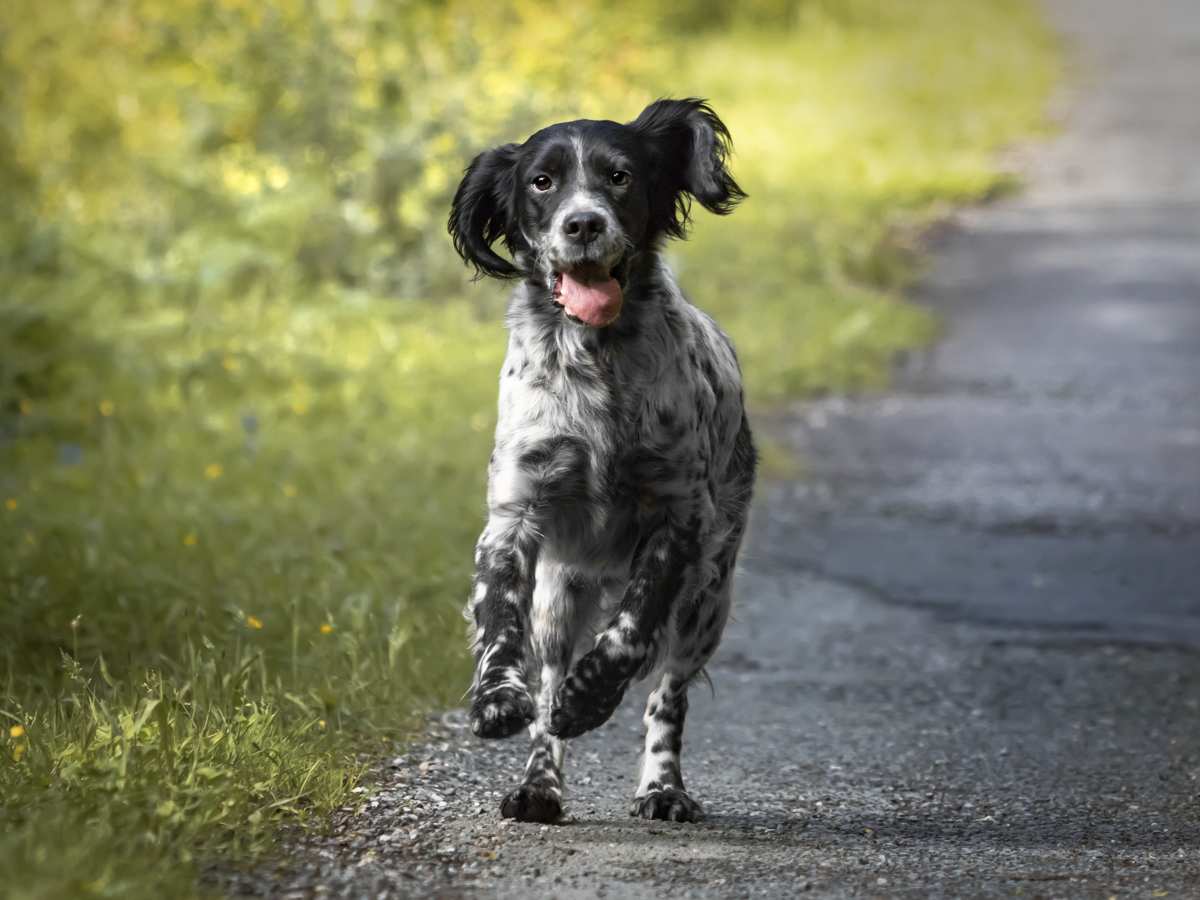
An English Setter will hold its point indefinitely — some have been observed holding point for over an hour while waiting for the hunter to arrive. Nearly 89 percent of English Setter owners have hunted upland birds for more than 20 years. The breed is associated almost exclusively with experienced hunters because the full appreciation of what an English Setter does in the field requires the knowledge to recognize what you are watching. When you see a setter that has been on point for forty-five minutes, motionless in October cover while you walk in from a hundred yards away, you are watching the result of careful, patient, generation-upon-generation selection for an instinct that costs the dog enormous self-control to maintain. The bird is right there. The dog knows the bird is right there. And the dog waits.
Fact 10 — Dogs Can Track Scent Underground
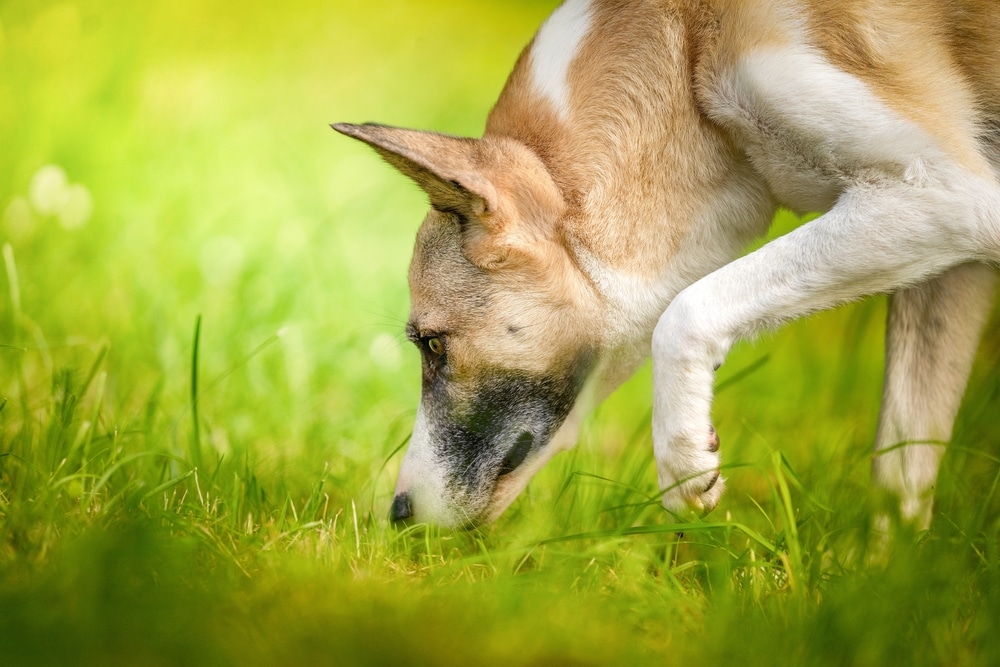
Terriers were developed specifically for following prey underground into burrows and dens — working below the surface in confined spaces to either flush quarry out or dispatch it. The Jack Russell Terrier’s physical proportions — the semi-flexible chest that allows them to compress through tight burrow entrances — were specifically designed for underground work. This means a Jack Russell can follow a fox into a burrow that a human would not be able to access even on their smallest attempt, pursue the animal underground through turns and constrictions, and either flush it back out or hold it until the hunter can dig down to the quarry.
The same flexible, fearless, underground-capable physiology that made Jack Russells extraordinary hunting dogs makes them spectacularly good at escaping from yards, investigating every hole and gap in any fence line, and generally appearing in locations that seem physically impossible for a dog their size to have reached.
Fact 11 — The German Shorthaired Pointer Was Specifically Designed to Do Everything
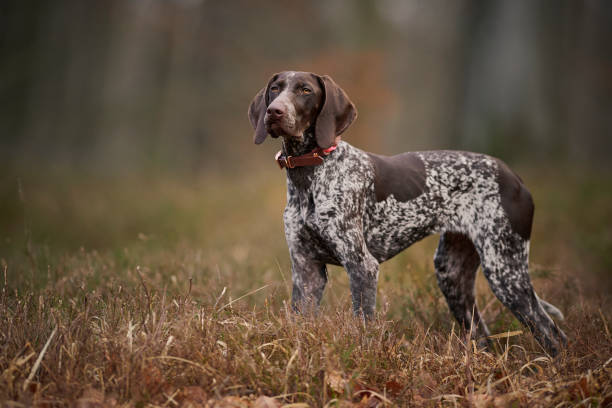
Most hunting dog breeds were developed for a specific game type or hunting style. The German Shorthaired Pointer was deliberately designed to do everything — to track, point, flush, retrieve, work on land and in water, handle upland birds and waterfowl and small game, and function as a family companion. First developed in Germany in the 19th century, they were bred to be the ultimate hunting companion. The breeding program that produced the GSP was one of the most deliberate and specific in hunting dog history — crossing Spanish pointers for nose and pointing instinct with German bird dogs for trainability, adding Bloodhound for scenting ability, and refining across decades toward the all-purpose result.
The GSP’s versatility is so complete that it is used for virtually every hunting application in which a dog can assist — an unusually broad capability for a single breed that explains its consistent position among the most owned bird dogs in the American upland hunting community.
Fact 12 — Every Dog Behavior You Find Challenging Is a Hunting Instinct Without an Appropriate Target
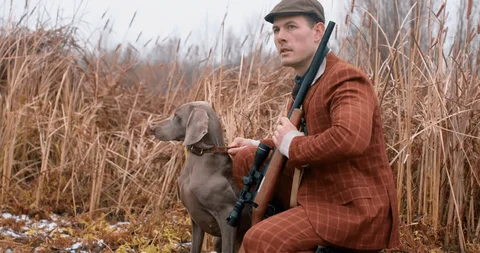
The Labrador is stealing every object within reach: retrieve instinct. The Beagle that tunes out every command on a walk: scent hound trail-following behavior. The Pointer that goes rigid staring at the neighbor’s cat: pointing behavior triggered by a small moving target. The Springer Spaniel that launches into frantic circles in tall grass: flushing behavior in the absence of game. The Jack Russell that systematically investigates every hole in the garden: earth dog behavior without the quarry.
Not a single common dog behavior complaint is random. Everyone has a hunting instinct behind it, expressed in a domestic context without the appropriate target. Understanding this does not make the behaviors easier to manage — the Beagle will still ignore you when its nose is on a trail regardless of whether you understand why — but it changes the relationship between owner and behavior from frustration at the dog to appreciation of a biological system that is operating exactly as designed in the wrong context.
That change of perspective is the thing that hunting dogs most reliably produce in the people who own them. An understanding that the animal in front of them is not random, not willful, not malfunctioning — but precisely, elegantly, specifically designed for something extraordinary, doing their best to express it in a world that no longer requires it of them.