Most people who save photos of hunting dog breeds on Pinterest do not hunt. They save them because hunting dogs are among the most beautiful, most athletic, and most personality-rich dog breeds in the world — and because somewhere behind every gorgeous Vizsla photo or magnificent English Setter point is the suggestion that these extraordinarily capable animals can also be yours, in your home, sleeping on your couch on a Thursday evening.
The good news: they can. With the right breed, the right exercise commitment, and the right understanding of what you are bringing home, hunting dog breeds make exceptional family companions. The key is knowing which ones work best in family life, what that family life needs to look like, and what the specific joys and specific challenges of each breed actually are, rather than what the beautiful photography suggests. This guide covers the ten hunting breeds that most completely succeed at both roles — and is honest about what each one asks of you in return.
What Makes a Hunting Dog Good at Family Life
Before the breeds, the traits. Hunting dog breeds have specialized skills and unique qualities that set them apart in the dog world. These traits make them excellent hunting partners and loving family pets: high energy levels, a keen sense of smell, loyal companionship, a trainable temperament, and a strong athletic build. The qualities that make a dog capable in the field — the responsiveness to handler cues, the desire to work in partnership, the intelligence, the physical endurance — are the same qualities that produce a dog that responds well to training, forms strong bonds with family members, and participates enthusiastically in an active household.
The challenge is that these same qualities, unmet, produce the reverse. A hunting breed that does not get sufficient exercise, training, and mental engagement becomes a different animal from the one in the Instagram photograph — not because the breed changed but because the qualities that make it excellent are being expressed sideways. Energy levels. Intelligence. Drive. These need somewhere to go. Choose a breed whose energy level matches your actual daily life — not your aspirational daily life, your real Tuesday-in-February life — and the hunting breed transforms from a management challenge into one of the most rewarding dog-owning experiences available.
Breed 1 — The Labrador Retriever: The Gold Standard for Both Roles
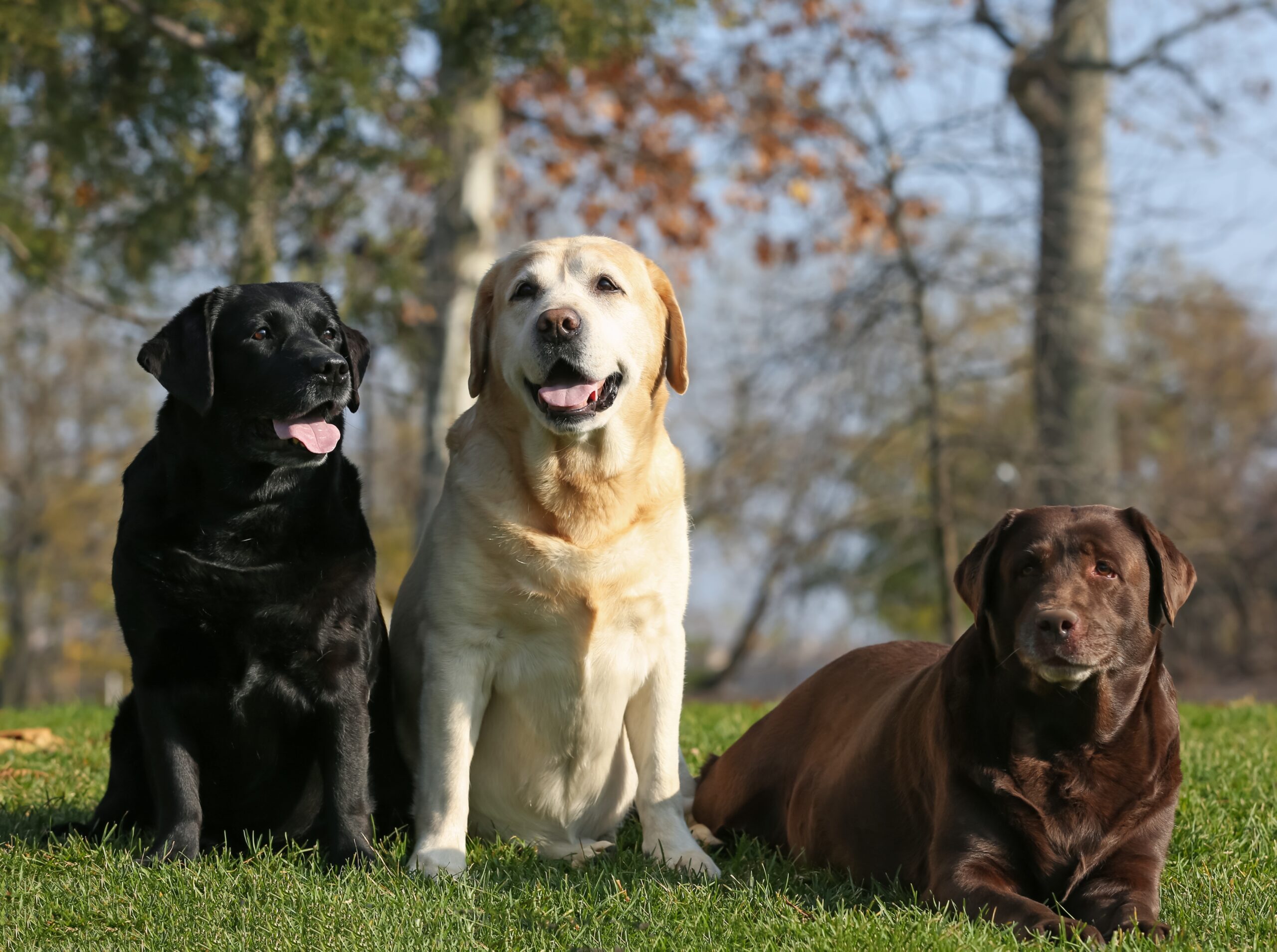
The Labrador Retriever is one of the most beloved dog breeds in the world — it excels at hunting and as a family pet. There is a reason this statement appears in virtually every hunting dog guide written in the past fifty years, and it is because it is simply and verifiably true. The Lab is the dog that most completely resolves the tension between hunting capability and family compatibility.
In the field, the Labrador is a world-class waterfowl retriever — capable of working in cold water, carrying heavy game without damage, and responding to hand signals at distances that require genuine training investment. At home, the Lab is trainable, people-oriented, patient with children, and possessed of an enthusiasm for life that manifests as the specific joyfulness — the bounding gait, the wagging whole-body response to your arrival — that makes Labrador ownership one of the most emotionally rewarding experiences in dog keeping.
Labs are quick learners, making them easy to train for hunting, while their friendly, loyal temperament makes them wonderful family companions when off-duty. The specific challenge is caloric management — Labs love food with a devotion that rivals their love for their people, and a Lab whose food intake is not actively managed will gain weight rapidly, which affects both their field performance and their long-term joint health.
Best for: Families with children of all ages, active owners who hunt ducks or upland birds, households looking for one dog that genuinely does both jobs excellently.
Breed 2 — The Golden Retriever: The Most Family-Compatible Hunting Dog on Earth
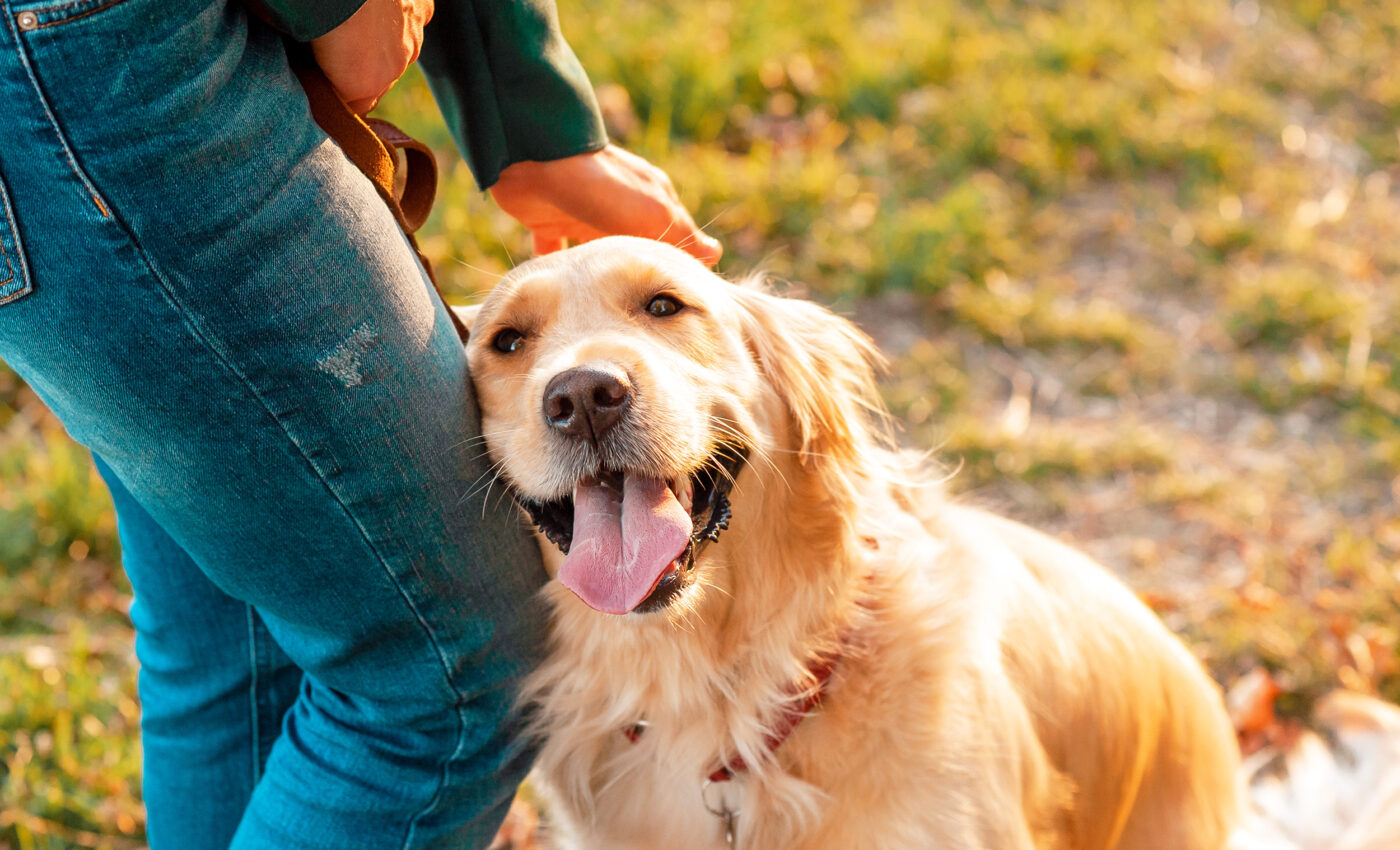
Like their Labrador cousins, Golden Retrievers bring enthusiasm and gentleness to both the field and the home. These dogs are known for their soft mouths, which make them ideal for retrieving game without damage. Their stable temperament makes them wonderful pets. Goldens are patient and protective, making them a top choice for families with children.
The Golden’s temperament advantage over the Lab in family settings is its characteristic calm. Where Labs can be boisterous and physical in their enthusiasm, Goldens tend toward a gentler expression of the same devotion. Golden Retrievers are highly adaptable and excel in various roles beyond hunting, including service work, therapy, and search-and-rescue missions — the breadth of their usefulness speaks to the combination of intelligence, trainability, and emotional attunement that defines the breed. In the field, they are enthusiastic, capable, and talented. At home, they are one of the most reliably gentle and patient dogs available.
Best for: Families with young children, first-time dog owners who want a hunting breed, homes where the dog will have multiple handlers.
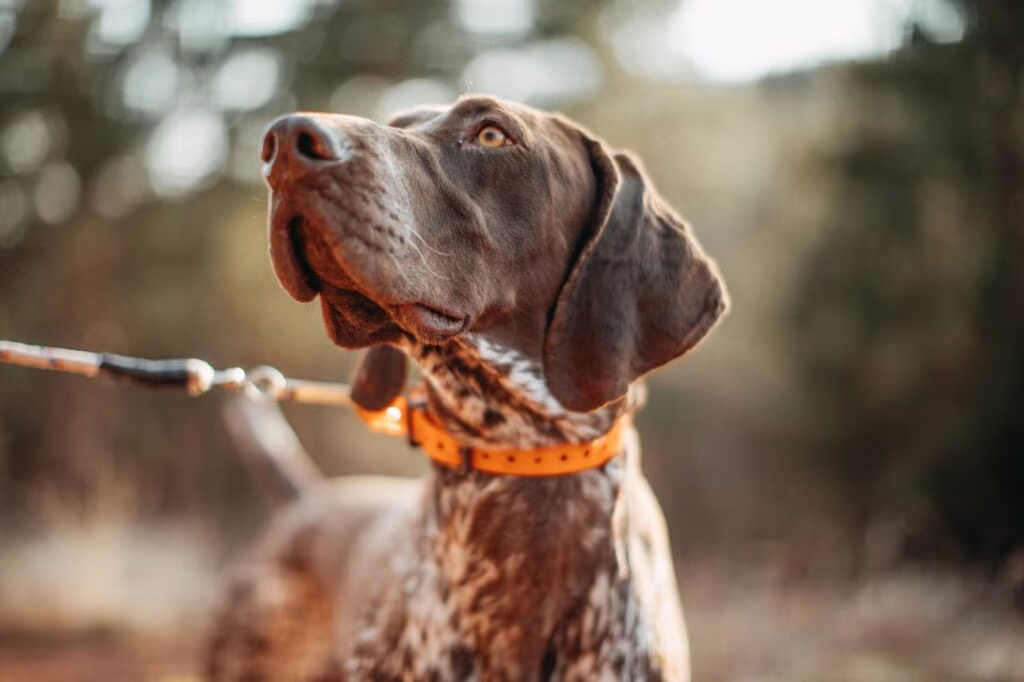
Breed 3 — The German Shorthaired Pointer: The Athletic Partner
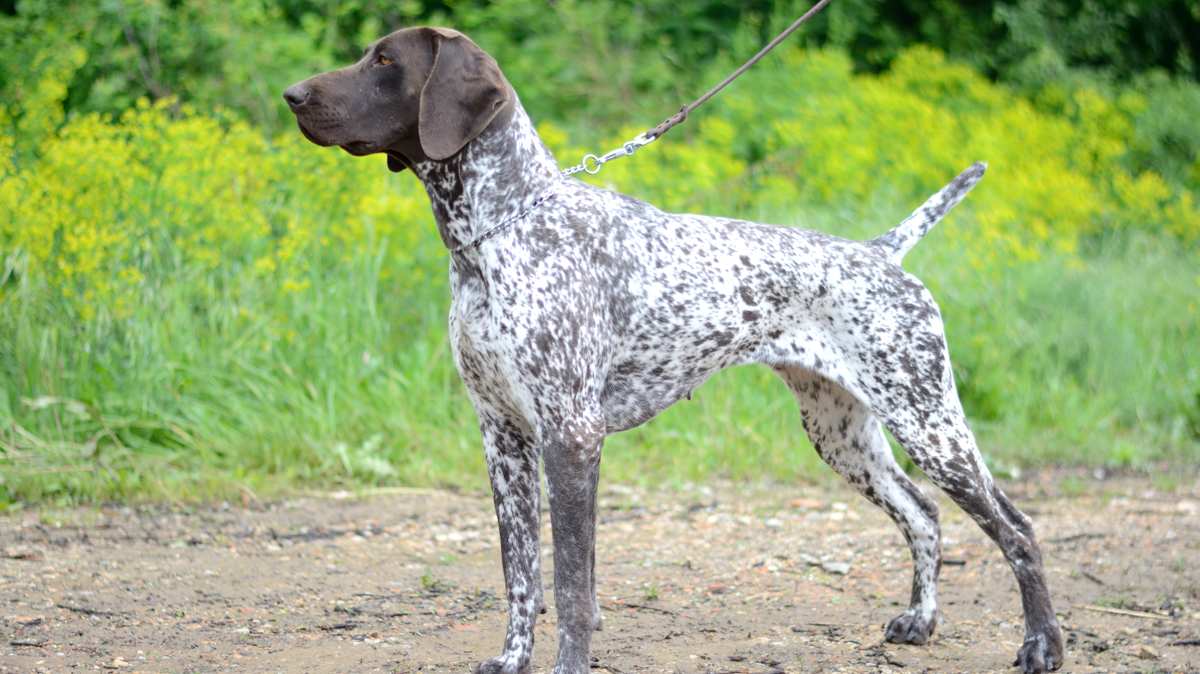
The German Shorthaired Pointer is a breed built for endurance and versatility. They were bred to be the ultimate hunting companion, capable of tracking, pointing, and retrieving game across land and water. These dogs are incredibly energetic and love to cover a lot of ground.
For the active family — the running family, the hiking family, the family that is genuinely outdoors most weekends — the GSP is one of the most rewarding dogs available. They are deeply bonded to their people, endlessly enthusiastic, and physically capable of keeping pace with any outdoor adventure. They require a lot of exercise and can develop separation anxiety if left alone too long — which is honest information about a dog that forms close bonds and has a high need for both physical activity and human connection. The GSP is not for sedentary owners, but for active ones; it is genuinely exceptional.
Best for: Runners, hikers, active families with older children, owners who hunt multiple game types.
Breed 4 — The English Springer Spaniel: The Enthusiastic Friend
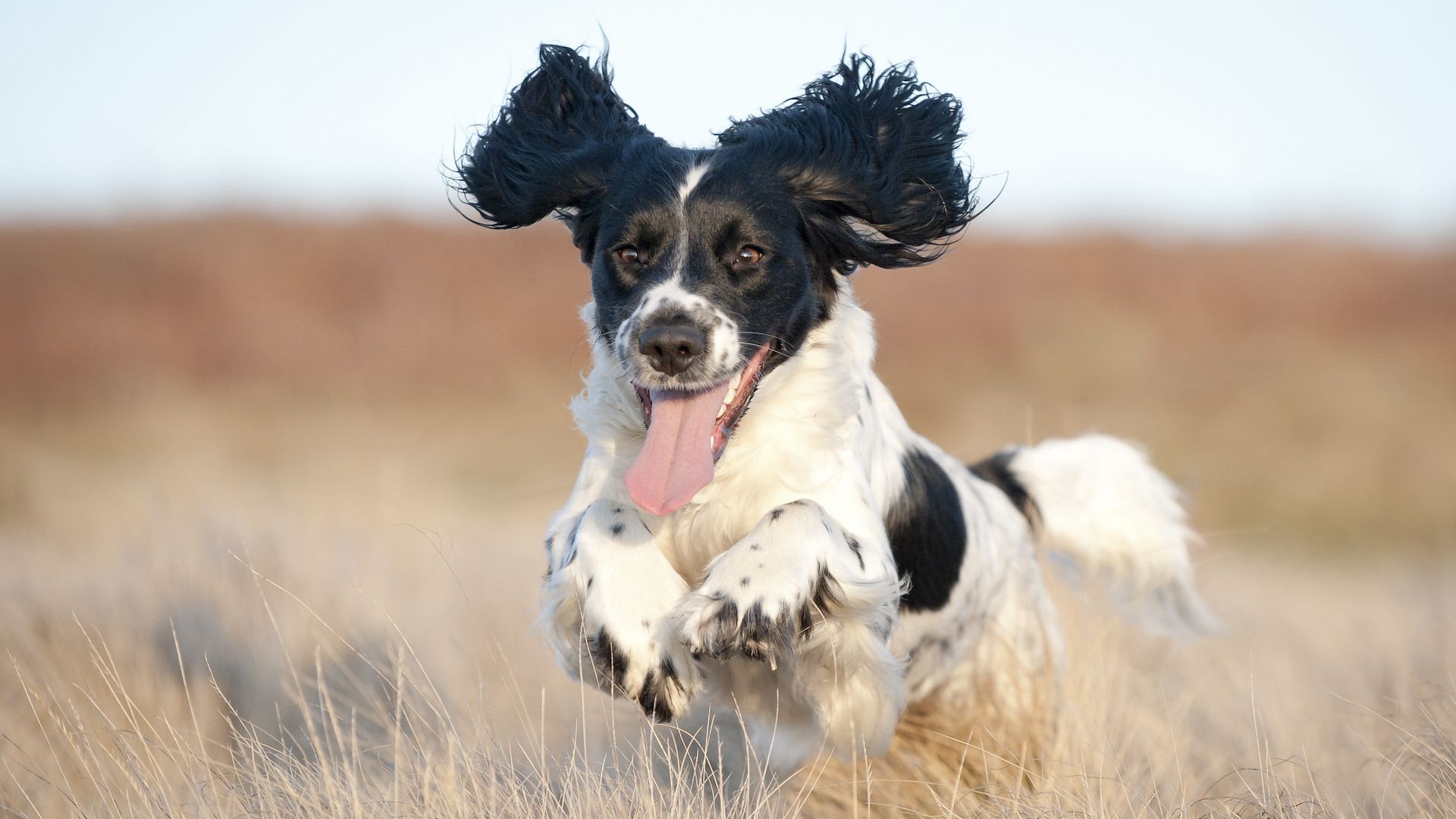
The English Springer Spaniel is an iconic breed, particularly for the flushing group. These dogs are affectionate family friends with energetic personalities and a strong sense of smell. The Springer’s combination of moderate size, deep affection for its family, and genuine hunting capability in dense cover makes it one of the most balanced hunting-family dog options available.
Springer Spaniels need consistent training and exercise, and regular ear cleaning is important to avoid infections — the long, pendant ears that make Springers so visually charming also create the warm, enclosed ear canal environment that is favorable to infection. This is a minor ongoing commitment that is easy to establish as a routine and that prevents the most common Springer health complaint before it develops.
Best for: Families with children who want an enthusiastic, affectionate companion, owners who hunt upland birds in dense cover, suburban families with regular outdoor activity.
Breed 5 — The Vizsla: The Velcro Dog
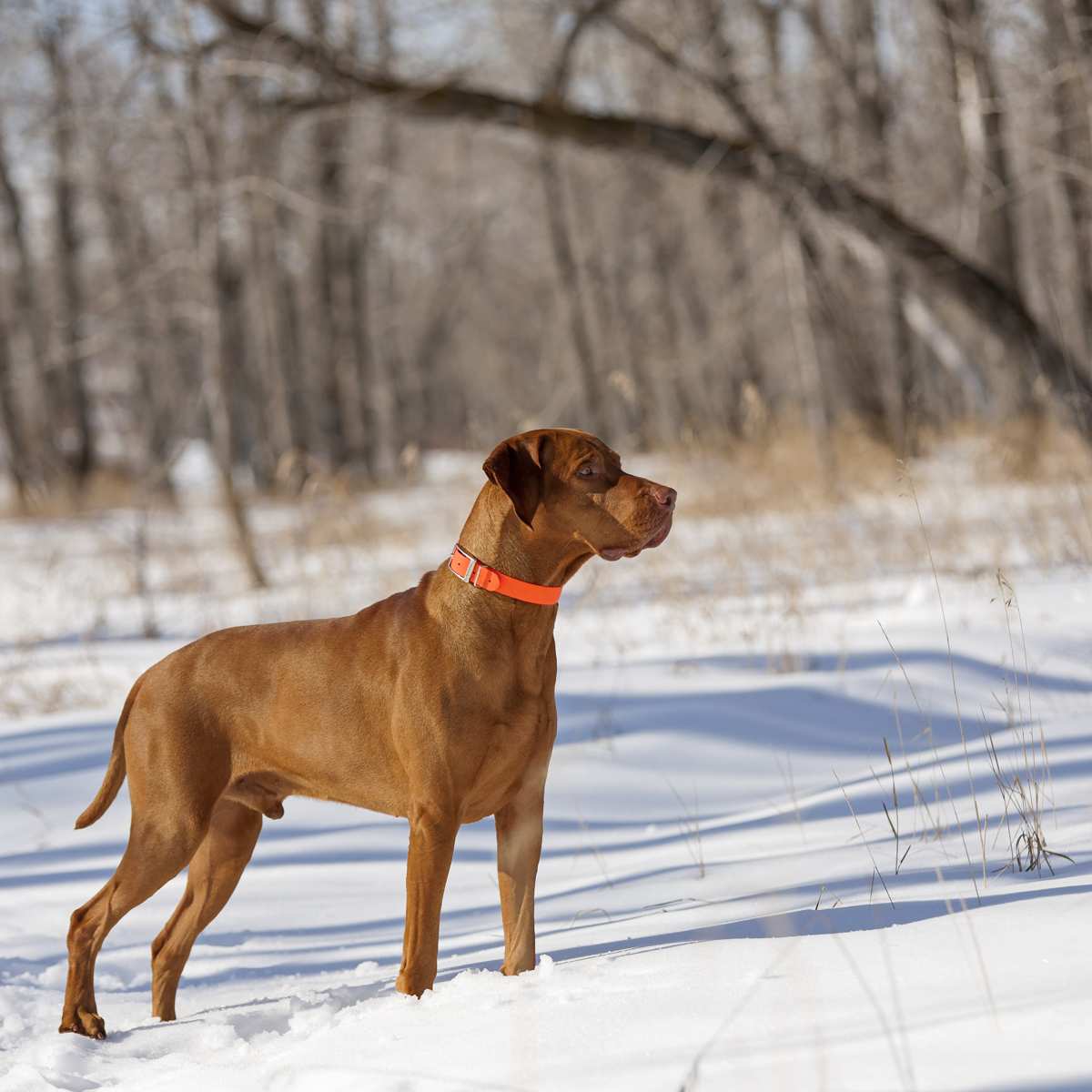
One of the oldest known hunting dog breeds, the Vizsla makes a great family pet as well as a hunting companion, and is a multitalented canine able to adjust to a variety of environments. A Vizsla’s sleek coat makes them a great swimmer. Vizsla dogs have a social temperament and prefer spending lots of quality time with their active family members who are dedicated to providing them with plenty of exercise, mental enrichment, and socialization.
The Vizsla’s defining family characteristic is their need for physical closeness with their people — this is a dog that will press against you while you sit, follow you from room to room, and sleep touching you if permitted. For families who want a deeply bonded companion, this quality is a feature. For families who prefer more independent dogs, it is important to know about this breed before choosing it. In the field, the Vizsla is fast, stylish, and capable. At home, they are affectionate, gentle, and entirely devoted.
Best for: Active families who want a deeply bonded companion, hunters who appreciate a stylish, versatile gun dog, owners who can provide significant daily exercise.
Breed 6 — The Weimaraner: The Silver Ghost
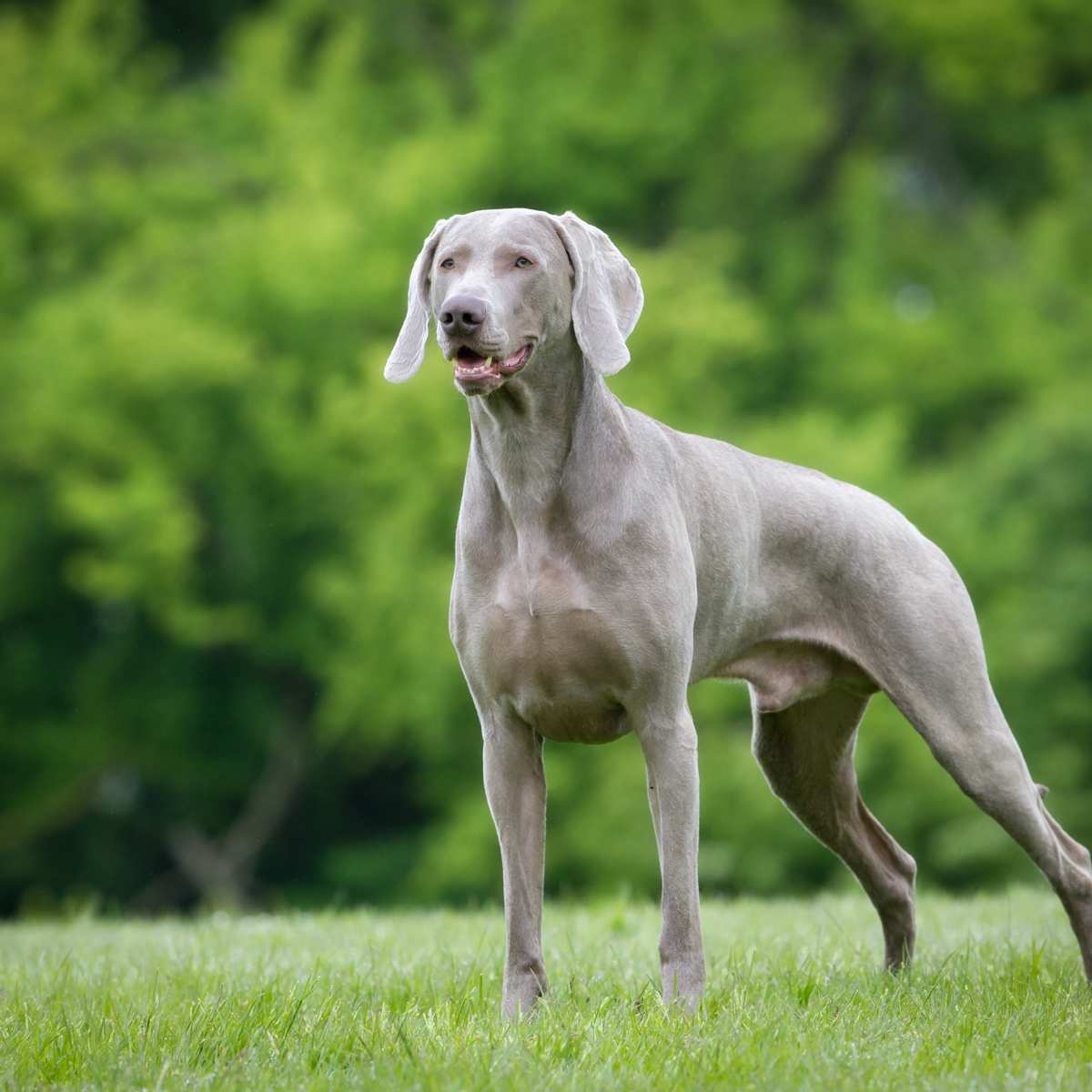
The Weimaraner is a picture of grace and speed — qualities that serve them well in hunting and make them a striking pet. The silver-grey coat, the pale amber or blue-grey eyes, and the lean, muscular build create one of the most visually distinctive dogs in the world. Weimaraners were originally all-around hunting dogs developed in Germany for big game and later transitioned to bird hunting as large game hunting declined.
Their size makes them suitable for various living situations, from large homes with yards to smaller, active households — with the critical caveat that their energy level is genuinely high and their need for daily exercise is genuine rather than flexible. A Weimaraner without sufficient exercise is an interior decorator of the destructive kind. A Weimaraner with proper daily activity and training is one of the most striking and genuinely capable hunting dogs in any field.
Best for: Active owners who want a visually dramatic breed, hunters who appreciate all-around capability, experienced dog owners.
Breed 7 — The Beagle: The Small Dog With the Enormous Personality
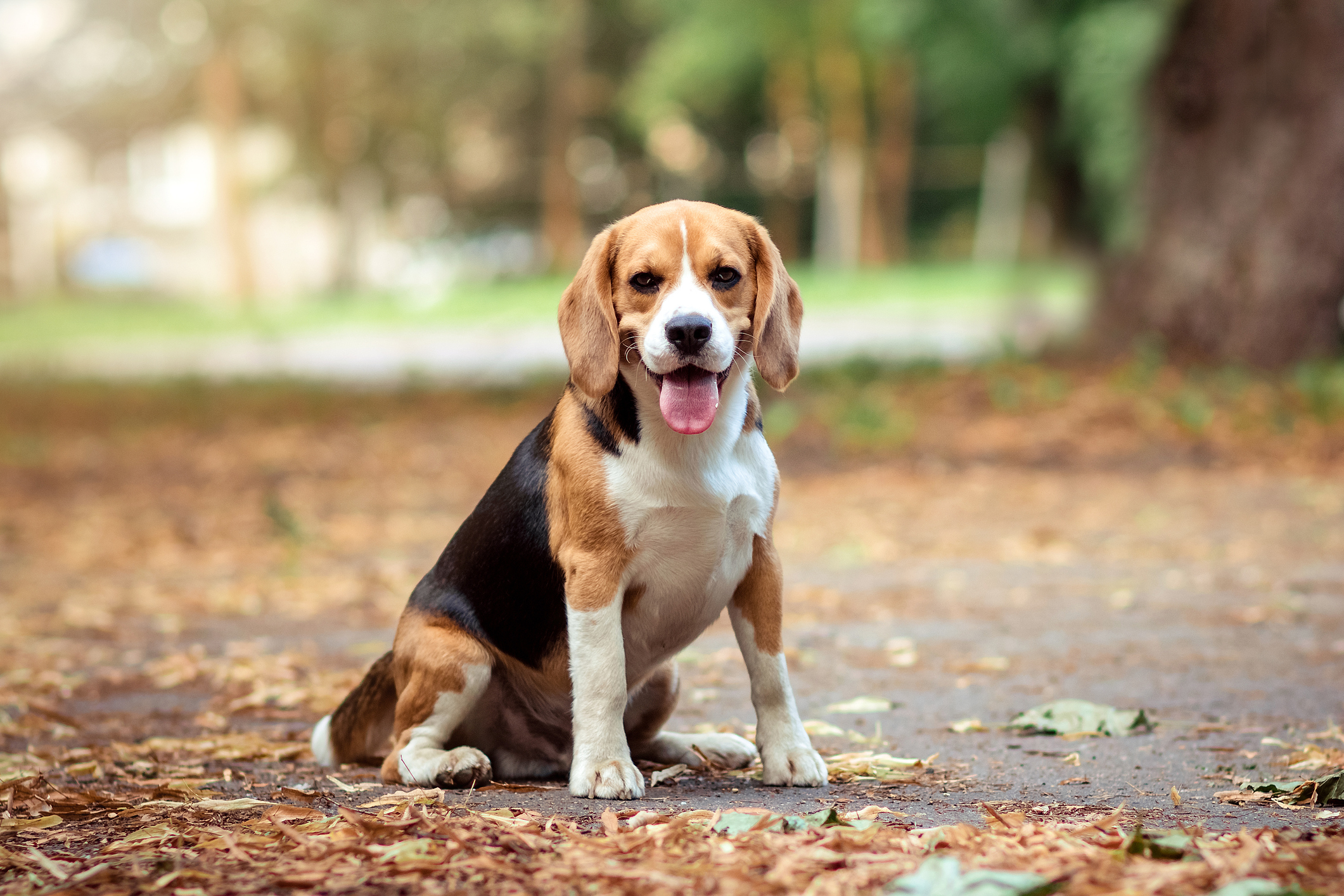
Beagles are compact yet determined, exceptional scent hounds mainly used for tracking small game like rabbits and hares. They possess a powerful sense of smell and persistence. At home, the Beagle is one of the most sociable, friendly, and good-natured hunting breeds available.
The Beagle is the hunting dog that works in almost every living situation — small enough for apartments with appropriate exercise, gentle enough for families with very young children, social enough to coexist with other dogs, and possessed of enough stubbornness and independence to make training an interesting project that rewards consistency and patience. The Beagle’s voice — the distinctive bay that is their working signal on a rabbit trail — is also their main domestic challenge. A Beagle who is bored or excited will use it freely, and in suburban environments with thin walls and close neighbors, this is a practical consideration.
Best for: Families with children, apartment dwellers who can provide daily exercise, first-time dog owners willing to invest in training.
Breed 8 — The Boykin Spaniel: The Best-Kept Secret in Hunting Dog Breeds
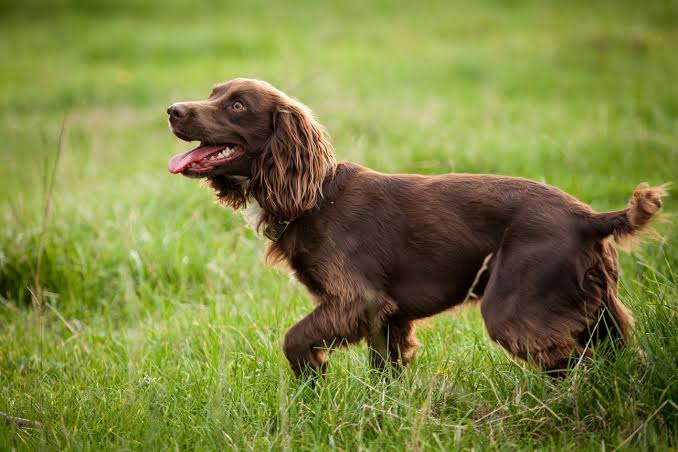
The Boykin Spaniel is particularly well-suited for hunting turkey and duck. They are very easily trained and are excellent at both flushing and retrieving. This is the hunting dog breed that most dog lovers outside the hunting community have never heard of and that most hunting dog owners who know it believe is genuinely underrated.
Developed in South Carolina specifically for hunting from small boats — their size was bred to fit under the seat — the Boykin Spaniel combines the flushing and retrieving capabilities of the larger spaniel breeds in a compact, chocolate-colored package. Their temperament is exceptional — easy to train, devoted to their family, gentle with children, and enthusiastic in the field without being overwhelming in the home.
Best for: First-time hunting dog owners, families wanting a medium-energy companion, duck and turkey hunters.
Breed 9 — The Brittany: The Most Compact Versatile Hunting Dog
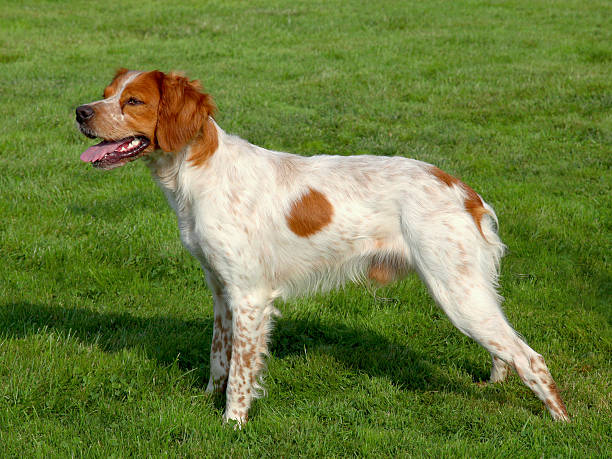
Brittanys are energetic and versatile hunting companions, with cheerful personalities and quick learning abilities that bring endless energy and charm to every adventure. The Brittany is the smallest of the pointing breeds — compact enough for apartment living with genuine exercise, large enough for a full day’s hunting, and possessed of a temperament that is invariably described by owners as sunny.
The Brittany’s energy level is real and must be honestly accommodated — this is not a moderate-energy dog but an enthusiastic one whose daily exercise needs are genuine. But within those needs, the Brittany is one of the most adaptable, most trainable, and most genuinely pleasant hunting breeds to share a home with.
Best for: Active apartment dwellers, owners who want a compact hunting dog, families wanting a cheerful, trainable companion.
Breed 10 — The Irish Setter: The Most Beautiful Dog in the Field
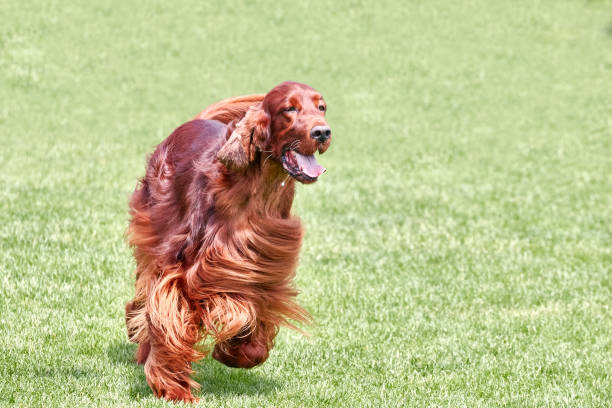
Known for its speed and stamina, the Irish Setter excels in flushing game, particularly upland birds. The Irish Setter is also one of the most visually spectacular dogs in any category — the deep mahogany-red coat at full length, flowing as the dog moves at speed through tall grass, is an image that photographers and painters have been capturing for centuries.
In the home, the Irish Setter is affectionate, exuberant, and somewhat infamously distractible — the breed’s stunning coat and charming personality coexist with a reputation for a slightly longer puppy phase and a need for patient, consistent training. But an Irish Setter that has been properly raised and trained is one of the most beautiful and most charismatic companions in the dog world.
Best for: Active families who appreciate beauty alongside capability, experienced owners willing to invest in training, hunters working upland birds in open terrain.
The Hunting Dog at Home — The Experience That Changes How You See Dogs
Every hunting dog on this list is, at their core, a working animal. The intelligence, the trainability, the physical capability, the loyalty — all of it was developed in the context of a partnership with a human working partner. What most family owners of hunting breeds discover, somewhat to their surprise, is that this partnership quality transfers completely to domestic life. Their hunting dog chooses them, tracks them through the house, responds to them with a specificity and attentiveness that other breeds do not always show, and makes them feel, in some quiet daily way, genuinely accompanied rather than simply owned. That is what ten thousand years of building a working partner produces. And it is available to you, in your home, whether or not you ever go hunting.