Small dogs with enormous personalities have existed throughout dog history — but few have managed to combine intelligence, loyalty, comedic timing, and genuine watchdog instinct in a package this compact and this stylish. The Miniature Schnauzer is the dog that surprises people. They expect a small dog. They get a small dog with the energy of a much larger one, the intelligence of a Border Collie compressed into twelve pounds, and the specific kind of stubborn affection that makes people describe their Schnauzer as their best friend with only mild embarrassment.
The Miniature Schnauzer has consistently ranked among the top 20 most popular dog breeds in the United States. That consistency — not a flash-in-the-pan trend breed but a decade-long presence in the top tier — reflects something genuine about what this dog is and what it offers to the people who keep them.
This is the guide that covers all of it.
History: Where the Mini Schnauzer Comes From
The Miniature Schnauzer has a rich history, originating in Germany in the late 19th century. They were bred to be small, hardy farm dogs capable of guarding property and hunting vermin. Their name “Schnauzer” comes from the German word for muzzle, which references their distinct whiskered snouts.
Farmers would sometimes keep a Miniature Schnauzer with a German Shepherd as a protective team to ward off predators and keep livestock safe. The Schnauzer could alert the German Shepherd when there was trouble. Schnauzers have excellent reputations as watchdogs — they can be quite vocal!
The Mini Schnauzer was developed by crossing the Standard Schnauzer with smaller breeds — most likely the Affenpinscher and the Miniature Pinscher — to produce a dog compact enough for indoor vermin control while retaining the alert, intelligent working character of the Standard. The resulting breed kept all the personality and reduced the size to a form that has become one of the most successful companion dog packages ever developed.
Appearance: The Most Recognizable Small Dog
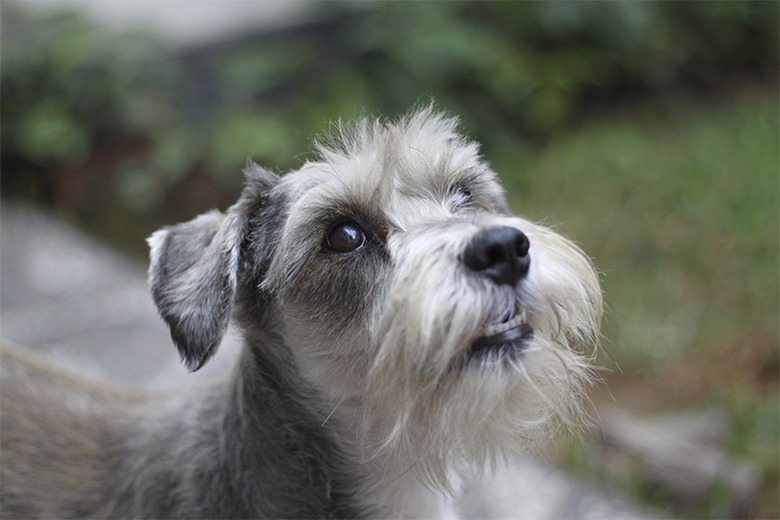
The Miniature Schnauzer is a small breed, typically weighing between 11 and 20 pounds and standing about 12 to 14 inches tall.
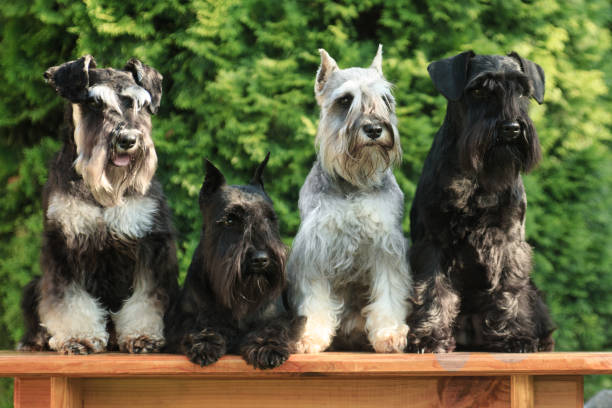
Their distinctive feature is their beards — Schnauzer actually translates from German to “small beard” — and a wiry coat of fur that typically comes in black, black and silver, salt and pepper, or, in some rare cases, even white. They have bushy eyebrows and deep-set eyes, which give them the look of a grouchy dog at times, though they are generally quite friendly and loving.
The Miniature Schnauzer’s appearance is one of the most visually distinctive in the small dog world. The combination of the bearded muzzle, the dramatically arched eyebrows, and the wiry coat produces a dog that looks simultaneously dignified and comedic — and whose expression photographs with an emotional range that makes them among the most compelling small dogs in the world to capture on camera.
Personality: The Big Dog in a Small Body
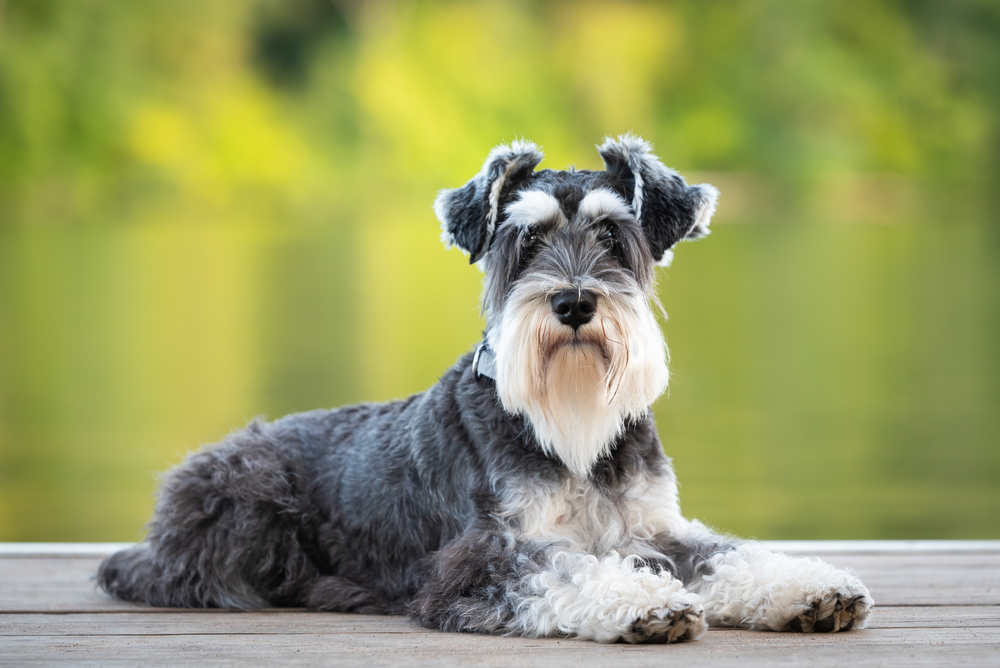
One of the standout traits of the Miniature Schnauzer is their intelligence. This breed is known for its ability to quickly learn commands and tricks, making it highly trainable. They thrive on mental stimulation and enjoy tasks that challenge their minds.
Miniature Schnauzers are not just intelligent — they are also incredibly affectionate. They form strong bonds with their families and often seek companionship. Whether it’s snuggling on the couch or following you around the house, they love being close to their humans.
Despite their small size, Miniature Schnauzers possess a watchdog mentality. They are naturally alert and will bark at unfamiliar sounds or sights, making them excellent guardians for your home. While this trait can be beneficial, it’s essential to manage their barking through training to prevent excessive vocalization.
The honest personality summary: the Miniature Schnauzer is a dog who thinks they are in charge of the household, communicates this belief through regular announcements about the state of the front door, and simultaneously melts entirely when you sit down on the sofa. They are loyal to the point of velcro-like attachment to their chosen person, hilarious without intending to be, and capable of learning an extraordinary range of commands and behaviors — as long as they decide it is worth their time to demonstrate them.
The Miniature Schnauzer Coat and Colors
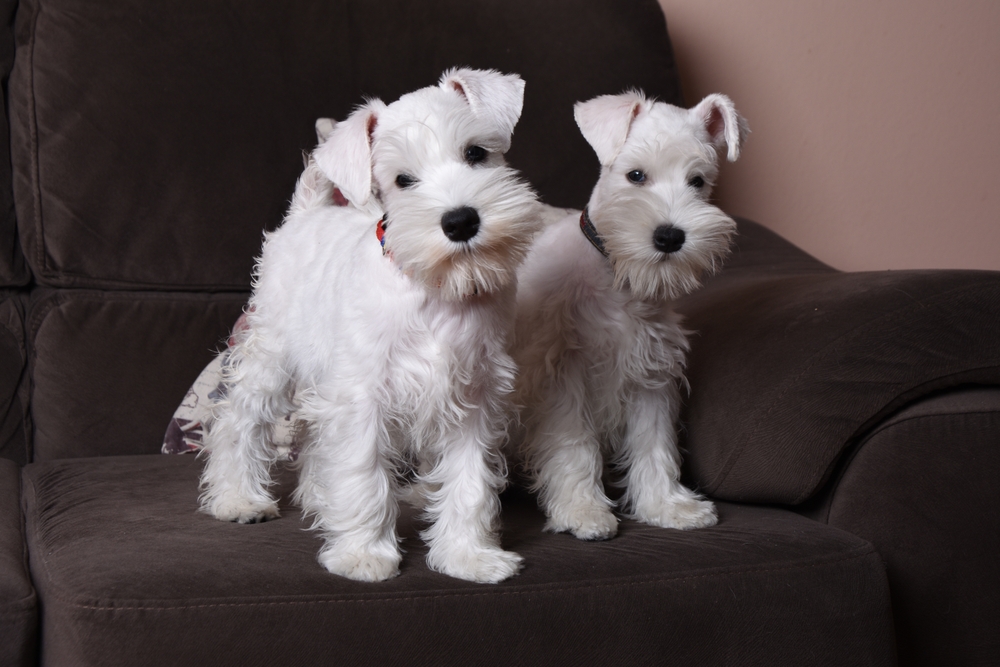
Miniature Schnauzers come with a double coat that consists of a soft, thick undercoat and a wiry topcoat. Their limited shedding actually requires regular grooming rather than eliminating the need for it — loose and dead hair gets trapped in their double coats rather than falling off.
The four standard color variations are salt and pepper (the most common and most iconic), black and silver, solid black, and white (less common and not recognized by all kennel clubs). Each color variation photographs differently and has its devoted community of enthusiasts.
Salt and pepper — the grizzled, warm gray mixture that produces the classic “distinguished gentleman” appearance — is the color most people picture when they think Miniature Schnauzer. Black and silver provide high-contrast, dramatic markings. Solid black produces a sleek, elegant appearance that makes the eyebrows and beard even more prominent. White Miniature Schnauzers produce the softest, most toy-like visual impression of any color variation.
Exercise and Activity Needs
Miniature Schnauzers require moderate exercise to maintain their health and happiness. Aim for at least 30 to 60 minutes of activity each day, which can include walks, playtime, or engaging in dog sports. Regular exercise helps prevent behavioral issues that can arise from boredom and excess energy.
Mini Schnauzers need two good walks a day as well as activities that use their brains. They need plenty of exercise and the chance to use their brains too.
The Mini Schnauzer is not a dog that will accept inadequate mental stimulation. Physical exercise is important — but the brain is what needs work most. Puzzle feeders, training sessions, scent work, agility, and interactive games are the tools that prevent the boredom-related behavior problems (excessive barking, destructive behavior, general mischief) that emerge in under-stimulated Schnauzers.
Health Overview
The Miniature Schnauzer is generally a healthy breed with a lifespan of 12 to 15 years. However, like all breeds, they are prone to certain health conditions.
A good breeder will have health tested their dogs, particularly for a range of eye conditions that can affect Mini Schnauzers. This breed can also be prone to allergies, pancreatitis, bladder stones, and diabetes.
The most responsible approach to Miniature Schnauzer health: choose a breeder who performs and documents health testing for the specific conditions the breed is prone to, maintain a healthy weight (Mini Schnauzers tend toward weight gain that exacerbates pancreatitis risk), and establish a relationship with a veterinarian familiar with the breed’s specific health profile.
Is the Miniature Schnauzer Right for You?
Mini Schnauzers would suit a family or active retired people. They form strong bonds with their family, so they don’t cope well with being left alone for long periods. They are great fun and love to play, are incredibly loyal and affectionate, but don’t do well with being home alone for long periods. They need plenty of exercise and the chance to use their brains too.
The Miniature Schnauzer is an excellent match for: apartment or house dwellers who want a compact, lower-shedding dog with a genuine personality. Active individuals who will provide daily walks and mental engagement. Families with older children who can interact appropriately. People who find independent, characterful dogs more interesting than purely biddable ones.
The Miniature Schnauzer requires more thought for households where the dog would regularly be alone for eight or more hours. Families with very young children may struggle with the breed’s vocal nature. People who want a quiet, low-demand companion.
ENDING:
The Miniature Schnauzer is the dog that fits in a handbag and has the personality of a much larger, significantly more opinionated animal. They are one of the most rewarding companion dogs in the world for owners who understand what they are getting — the intelligence, the loyalty, the watchdog instinct, and yes, the opinions about the mailman.
Save this guide to Pinterest, share it with anyone who is on the fence about the breed, and remind them that fifteen years of devotion, entertainment, and the specific joy of a dog who is genuinely happy every time you come home is the offer on the table.
It is an excellent offer.