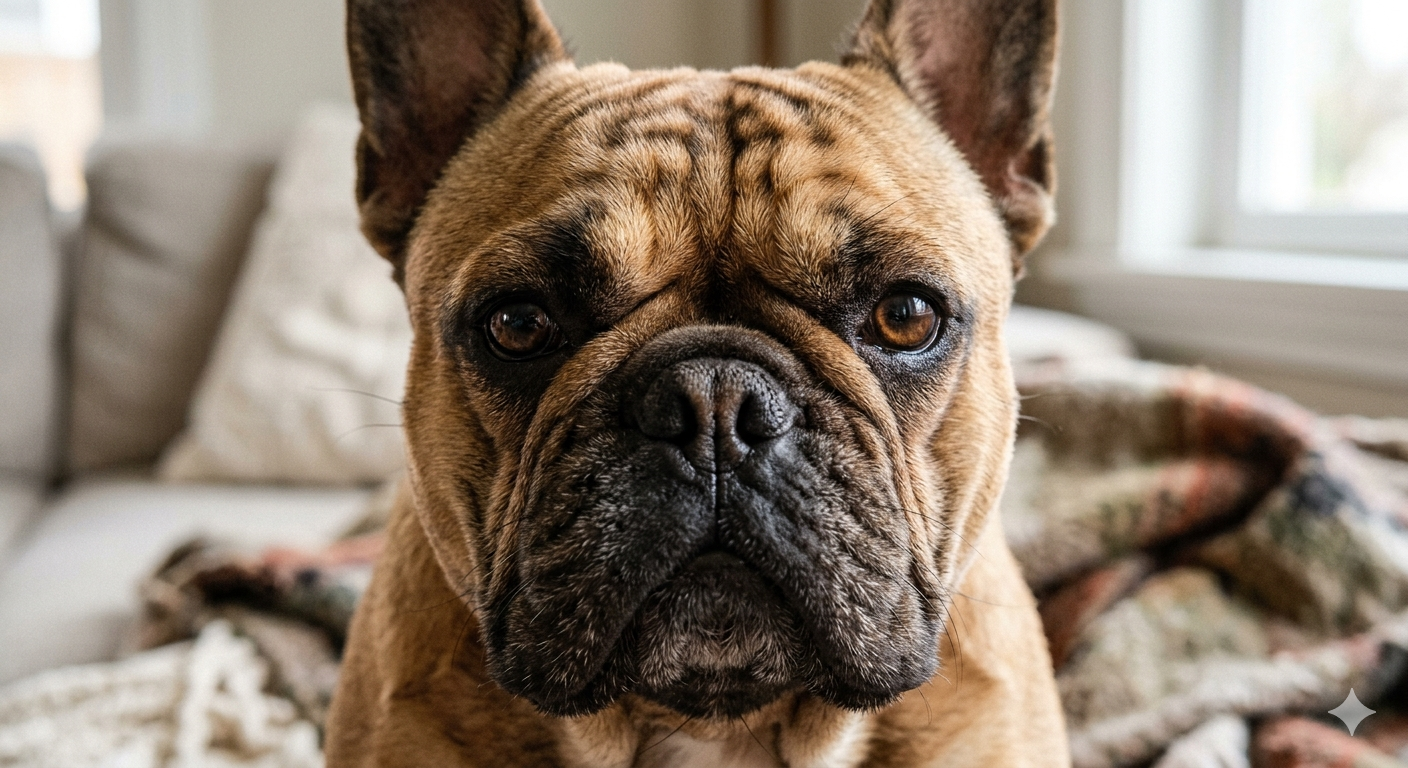
The French Bulldog is, without question, one of the most charming, most entertaining, and most genuinely lovable dogs you can share a home with. They are also — and this is the part that requires honest upfront conversation — a dog with specific care needs that go meaningfully beyond what most breeds require.
While Frenchies offer great entertainment and affection, they come with specific health vulnerabilities that all potential owners should understand. Due to their unique build and genetics, French Bulldogs may experience a range of inherited and structural health problems. Awareness and proactive management help ensure they live healthier lives.
The good news: every item on this care list is manageable, learnable, and — once it becomes routine — genuinely quick to execute. The result of doing it consistently is a Frenchie who is comfortable, healthy, and fully able to be the hilarious, devoted companion the breed is celebrated for.
These twelve care essentials are what experienced Frenchie owners do without thinking — the daily practices and weekly habits that make the difference between a dog who merely survives and one who thrives.
Care Tip 1: Clean the Wrinkles — Every Single Day
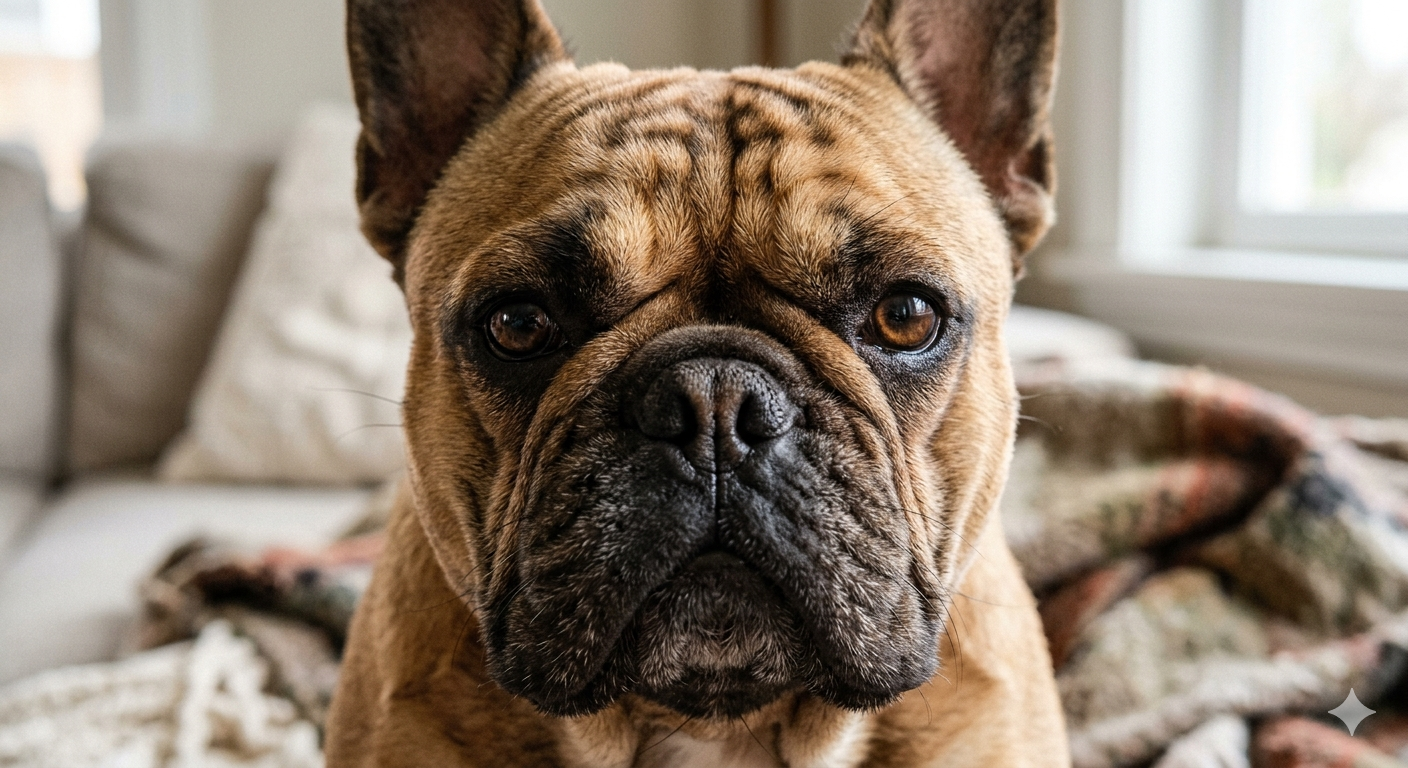
One special thing that Frenchies need in terms of grooming is fold care. The wrinkles on a Frenchie’s face and body can trap moisture, dirt, and bacteria, leading to irritation or skin infections.
Clean wrinkles and eyes daily, monitoring for skin infections
This is the most important daily care task for a French Bulldog and the one most commonly skipped because it seems minor. It is not minor. The warm, moist, dark environment between the skin folds is an ideal breeding ground for yeast and bacteria — the resulting skin fold dermatitis is painful, produces an unpleasant odor, and requires veterinary treatment once established.
Prevention takes sixty seconds. Use an unscented baby wipe or a specifically formulated dog skin fold wipe, gently separate each fold, wipe the skin inside, and allow it to dry. Pay special attention to the nose rope (the fold above the nose), the face folds, and any folds on the body.
Signs of skin fold infection: Redness, dark discoloration, odor, and your dog pawing at their face. Any of these warrants veterinary attention rather than increased home cleaning.
Care Tip 2: Never Skip the Heat Management
Frenchies have a brachycephalic muzzle, meaning their short skull compresses airways, causing breathing difficulties. This makes them prone to overheating since panting is less effective. Owners must take great care to avoid heat stress by keeping dogs cool.
Prevent heat stress: Limit exposure to hot weather typical of many U.S. regions in summer, offer ample shaded areas, and avoid vigorous exercise during peak heat hours.
The French Bulldog cannot cool themselves through panting as efficiently as dogs with longer muzzles. In temperatures above 75°F (24°C), heat stress can develop rapidly — even a short walk in warm conditions can create a dangerous situation. The dog who appeared fine at the start of the walk may be in serious distress ten minutes later.
The heat management rules:
- Walk only in the early morning or evening during warm months
- Never leave a parked car — even briefly, even with windows cracked
- Always have fresh water available
- Use a cooling mat or wet towel during hot days
- Know the signs of heat stroke: excessive drooling, labored breathing, pale or brick-red gums, collapse
This is the care rule that is most likely to save your Frenchie’s life. Take it seriously in every season.
10 French Bulldog Training Tips That Actually Work →
Care Tip 3: Feed in Measured Portions Twice Daily
French Bulldogs are prone to obesity, which exacerbates their breathing difficulties. Portion-controlled feeding twice daily rather than free feeding is the standard recommendation for this breed.
A French Bulldog who carries excess weight breathes harder, overheats faster, and puts additional strain on joints and their heart. The relationship between weight and respiratory function in a brachycephalic dog is direct and significant — even five extra pounds changes how easily they breathe.
Feed measured portions of a high-quality food formulated for small to medium breeds. Use the rib test monthly — you should be able to feel the ribs under a thin layer of fat but not see them. A visible waist from above is the target.
Food note: Balanced diet: Nutritious food supporting skin and joint health is vital for overall well-being. Some French Bulldogs do better on foods with limited ingredients if they have skin allergies or food sensitivities — both common in the breed.
Care Tip 4: Exercise Appropriately — Not Too Much, Never Too Little
French Bulldog exercise and play needs without overdoing it: short walks, light playtime, and indoor games are ideal. Avoid strenuous exercise, especially in hot or humid weather, as Frenchies struggle to regulate body temperature.
The French Bulldog is not a high-exercise breed — but they are also not a zero-exercise breed, and the distinction matters. Insufficient physical activity combined with overeating produces obesity; obesity produces worsened breathing difficulties; worsened breathing difficulties reduce quality of life. The cycle is preventable.
Two walks of 15–20 minutes daily at a relaxed pace is the standard for a healthy adult Frenchie. Supplement with indoor play — fetch, tug, or puzzle games — for mental stimulation. Stop immediately if the dog begins breathing with significant effort or lies down and refuses to continue.
Care Tip 5: Brush the Coat Weekly
Frenchies have a short, smooth coat that requires minimal grooming, but regular brushing can help remove loose hair and prevent shedding.
The French Bulldog’s coat is one of the lowest-maintenance coats in the dog world — short, smooth, and requiring nothing like the extensive grooming of a Golden Retriever or a Poodle. However, they do shed, and a weekly brush with a soft-bristle brush or grooming mitt removes loose hair before it distributes itself across every piece of furniture you own.
Weekly brushing also allows you to run your hands over the dog’s entire body — checking for new lumps, skin changes, or areas of sensitivity that might indicate a developing health issue.
Care Tip 6: Bathe Monthly with a Gentle Shampoo
Frenchies don’t require frequent baths, but when necessary, use a gentle dog shampoo to avoid drying out their skin.
Monthly bathing is appropriate for most French Bulldogs with normal skin. Dogs with skin allergies may benefit from more frequent bathing with a medicated shampoo prescribed by a veterinarian. The shampoo choice matters — the French Bulldog’s skin is sensitive, and human shampoos (which have a different pH) cause dryness and irritation.
The critical post-bath step: Dry every skin fold thoroughly after bathing. Moisture trapped in folds after washing is one of the most common triggers of skin fold dermatitis. A hairdryer on the lowest heat setting held at a distance works well, or a dry cloth worked carefully into each fold.
Care Tip 7: Clean the Ears Weekly
Frenchies have floppy ears that can trap moisture and bacteria, so it’s important to clean them regularly with a damp cloth and a gentle, pH-balanced cleaner.
The French Bulldog’s wide, open bat ears might seem like they would be easier to keep clean than floppy ears, but the wide opening also allows debris and moisture to enter freely. Weekly inspection and cleaning with a vet-approved ear cleaner prevents the chronic ear infections that affect many Frenchies.
Signs of ear infection: Head shaking, scratching at the ear, odor, discharge, and redness inside the ear. Any of these warrants veterinary assessment.
Care Tip 8: Trim Nails Every 3–4 Weeks
Regular nail trims are important to avoid painful cracks or splits. If you’re not comfortable trimming your Frenchie’s nails, consider having a professional groomer or veterinarian do it.
Long nails affect the French Bulldog’s gait — the way the paw contacts the floor — which, over time, affects joint alignment and can cause pain. The clicking sound on hard floors is the most reliable indicator that nails need attention.
French Bulldogs are often resistant to nail trimming. Introducing the process gradually in puppyhood — touching paws, using a nail file before clippers, pairing the process with high-value treats — produces adult dogs who tolerate it far better than those introduced to nail trimming for the first time as adults.
Care Tip 9: Brush Teeth Daily (or as Close as Possible)
Maintain dental hygiene as part of the essential daily routine.
Small breed dogs are disproportionately affected by dental disease — their teeth are relatively crowded in a smaller jaw, and tartar accumulates faster than in large breeds. French Bulldogs are no exception. By age three, the majority of dogs without dental care have some degree of dental disease.
Daily brushing with dog toothpaste (never human toothpaste — xylitol content) is the gold standard. Dental chews and water additives provide supplemental support but do not replace brushing. Annual professional dental cleaning under anesthesia is recommended once adult teeth are fully established.
Care Tip 10: Monitor Breathing — Know Your Dog’s Normal
BOAS (Brachycephalic Obstructive Airway Syndrome) is a genetic condition that a French Bulldog can be born with. Frenchies with BOAS typically have narrower nostrils and/or an elongated soft palate, making breathing more challenging. This can be corrected with veterinary surgery to improve a French Bulldog’s quality of life and prevent future medical complications.
Every French Bulldog breathes with more effort than a long-nosed dog. The key is knowing what is normal for your specific dog — their resting breathing rate, the sounds they make during calm activity, and what their recovery from mild exertion looks like.
Any significant change from that baseline — louder breathing, extended recovery time, blue-tinged gums at any point — is a veterinary emergency. Mild to moderate BOAS that affects quality of life significantly can be meaningfully improved through corrective surgery.
Care Tip 11: Limit Jumping Off Furniture
Safe living environment: Use non-slip rugs or mats and discourage high-impact activities like jumping on and off furniture to reduce injury risk.
French Bulldogs have a compact, muscular body that is not well-designed for the repeated impact of jumping down from furniture. The spine and hips are particular concerns — the breed has a higher-than-average incidence of intervertebral disc disease (IVDD) and hip and joint problems.
Use dog ramps or steps to allow Frenchies to access and leave sofas and beds without jumping. Non-slip mats on hard floors prevent the scrambling, slipping, and entries and exits that jar joints over time.
Care Tip 12: Schedule Veterinary Checkups Every 6 Months
Regular vet checks: Early detection of conditions such as patellar luxation, respiratory issues, and eye diseases helps manage problems effectively.
The French Bulldog’s range of breed-specific health conditions makes regular veterinary monitoring genuinely important — more so than for many other breeds. Twice-yearly checkups for adult Frenchies allow early detection of developing conditions before they become established problems.
Annual blood work, eye assessments, joint evaluation, and cardiac monitoring are the specific checks most valuable for this breed. Build a relationship with a veterinarian who has experience with brachycephalic breeds — the difference in care quality from a vet who knows the breed is meaningful.
ENDING:
French Bulldog care is specific, consistent, and completely manageable once it becomes routine. The wrinkle cleaning, the heat vigilance, the portion control, and the breathing monitoring — none of these individually takes significant time. Together, they produce a Frenchie who is comfortable in their body, free from the preventable problems that affect poorly managed dogs, and fully able to be the hilarious, devoted, utterly charming companion that everyone who has ever met a Frenchie understands immediately.
Save this guide to Pinterest, share it with every French Bulldog owner you know, and start the wrinkle-cleaning routine today. Your Frenchie will never thank you verbally. But they will tell you every day in every other way they know.