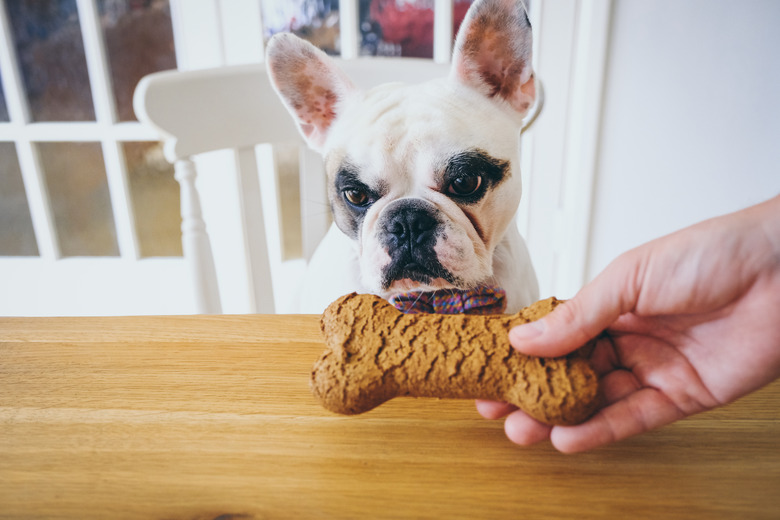
If your dog has a sensitive stomach, you already know the signs: intermittent digestive upset, inconsistent stools, occasional vomiting after eating, gassy episodes, and the general sense that their digestive system is less forgiving than you’d like. You also know the anxiety of giving a new treat, not knowing whether it will sit well or trigger an episode.
These ten recipes are designed specifically for dogs with sensitive stomachs. They use only the most digestive-friendly ingredients, avoid common triggers, and focus on natural, easily digestible whole foods that support gut health rather than challenging it.
The Sensitive Stomach Treat Rules
Before the recipes: a short guide to what to avoid and what to prioritize for digestive-sensitive dogs.
Avoid: high-fat ingredients in large quantities, artificial additives of any kind, grains if your dog has been grain-identified as sensitive, dairy beyond small amounts of plain yogurt or cream cheese, eggs in excessive quantities, rich or heavily seasoned anything.
Prioritize: pumpkin (the gold standard for digestive support), sweet potato (gentle fiber), oats (soothing to the digestive tract), plain lean proteins, plain yogurt with live cultures, bone broth for gut lining support, and limited ingredient recipes where the cause of any reaction can be identified.
Always introduce new treats gradually — one or two pieces on the first day, monitoring for 24 hours before increasing.
1. Plain Pumpkin Biscuits
The safest, most universally tolerated dog treat for sensitive stomachs. Pumpkin puree, whole wheat flour (or oat flour for grain-sensitive dogs), and egg — nothing else. The pumpkin actively supports digestive health rather than simply being neutral to it, and the limited ingredient list means any reaction can be clearly attributed.
These are the treats vets most often suggest when a dog owner asks what homemade treat is safe to start with after a digestive episode.
2. Oat and Banana Soft Bites
Oats are one of the most consistently well-tolerated grains for dogs with sensitive stomachs — easier to digest than wheat and gentler on inflamed digestive tissue. Combined with mashed banana and a small amount of honey, baked into soft, small bites at 300°F for 12 minutes. The resulting treat is soft enough to be easy on the system and flavorful enough to be genuinely appealing.
3. Sweet Potato Chews
Plain dehydrated sweet potato — sliced, dried at 250°F for 2 to 3 hours. Single ingredient, naturally gentle on digestion, high in soluble fiber that supports gut motility. These are the treats to start with after a digestive incident when you want to offer something appealing without any risk of exacerbating the issue.
4. Chicken and Rice Bites
The canine version of the classic digestive reset meal — boiled plain chicken breast and plain cooked white rice — formed into small bites with just enough egg to hold them together and baked at 350°F for 15 minutes. Simple, familiar to sensitive digestive systems, and genuinely palatable.
These are particularly useful as treats during or immediately after a period of digestive upset, when you want to offer a reward without straying from the safe food repertoire.
5. Plain Yogurt and Blueberry Frozen Bites
Plain probiotic yogurt (no sweeteners, no flavoring) blended with fresh blueberries and frozen in silicone molds. The yogurt provides live cultures that actively support gut microbiome health. The blueberries add antioxidants and gentle fiber. Together, they produce a treat that is as beneficial to digestive health as it is delicious.
Use only yogurt that specifically states it contains live and active cultures.
6. Bone Broth Ice Cubes
Low-sodium bone broth (no onion, no garlic, no seasoning) is poured into ice cube trays and frozen. The result is a plain, intensely flavorful frozen treat that dogs receive with genuine enthusiasm and that is among the most gentle options possible for a sensitive digestive system. Bone broth supports gut lining integrity — the collagen and glycine in properly made bone broth are genuinely beneficial for dogs with chronic digestive sensitivity.
7. Turkey and Pumpkin Meatball Treats
Ground lean turkey, pumpkin puree, and a small amount of oat flour formed into small meatballs and baked at 375°F for 15 minutes. Lean turkey is one of the easiest proteins for sensitive stomachs to process. Pumpkin adds fiber and digestive support. These are rich enough to be genuinely rewarding while remaining gentle enough for daily use with digestive-sensitive dogs.
8. Carrot and Oat Biscuits
Finely grated carrot, oats, egg, and a small amount of water or broth are baked into simple biscuits at 350°F for 18 minutes. Carrots provide beta-carotene and gentle fiber; oats provide soothing soluble fiber. The resulting biscuit is mild, slightly sweet, and reliably well-tolerated by virtually every dog with a sensitive stomach.
9. Coconut and Banana No-Bake Bites
Mashed banana, shredded unsweetened coconut, and a small amount of coconut oil are combined and refrigerated for 30 minutes. Coconut oil in small quantities supports gut health and has mild antimicrobial properties that can benefit dogs with bacterial imbalances contributing to digestive sensitivity. Keep portions very small — coconut oil is calorie-dense and can cause loose stools in larger quantities in some dogs.
10. Single-Ingredient Frozen Treats
The absolute safest option for a very sensitive stomach: a single fruit or vegetable, blended smooth and frozen. Watermelon. Banana. Carrot juice. Sweet potato puree. One ingredient, zero variables, zero ambiguity about what your dog is consuming. For dogs whose digestive systems are particularly unpredictable, starting here — with one ingredient you know they tolerate well — and building from there is the right approach.
ENDING:
Having a dog with a sensitive stomach means being more thoughtful about every treat — and that thoughtfulness pays off in a happier, more comfortable dog and a more confident keeper. These ten recipes give you a starting point and a full repertoire of treats you can offer with confidence. Save this to Pinterest, share it with anyone managing a dog with digestive sensitivities, and always — always — introduce new foods gradually and monitor how your dog responds.