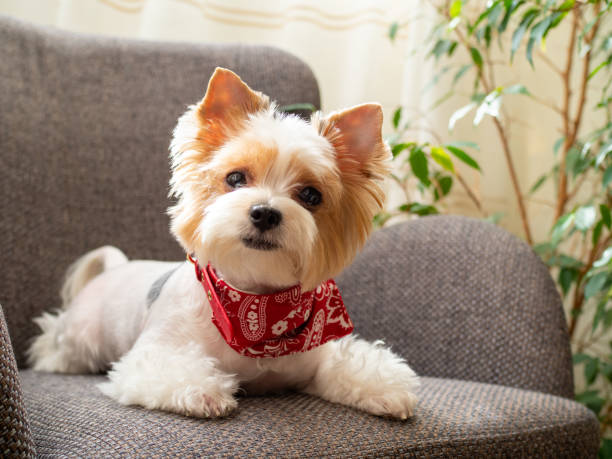
Yorkshire Terriers have a coat that is structurally unique among dog breeds — it grows continuously like human hair rather than shedding seasonally like most dogs, it has no undercoat, and it is genuinely silky and fine in a way that makes it responsive to the same kinds of damage that affect human hair. The owners who achieve that flowing, luminous, healthy Yorkie coat are doing something specific and consistent. The owners whose Yorkies have dull, matted, constantly itchy coats are almost always making the same five mistakes. This guide covers every one — the brushing errors, the bathing mistakes, the dental neglect that most owners do not realize is a grooming issue, the ear care failures, and the nail length problem that is changing their dog’s posture — with the exact correction for each. Also Read 10 Yorkie Hairstyles Ranked: From Easiest to Maintain to Absolutely Extra
Grooming Mistake One: Brushing Dry Hair and Creating Breakage
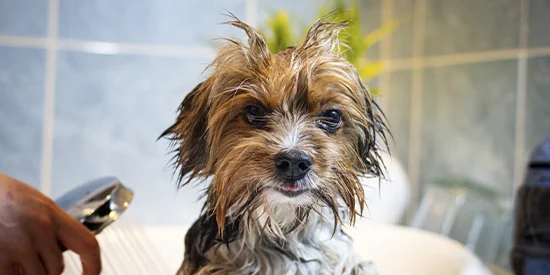
Why This Mistake Happens
Most owners pick up a brush, see tangles, and start working through them on a dry coat. The logic seems sound — brushing is brushing. But a dry Yorkie coat, particularly one that has gone several days without attention, is significantly more prone to breakage during brushing because the hair has no slip, the bristles catch rather than glide, and the traction required to move through a tangle pulls the hair shaft rather than releasing it.
Why It Matters
Continuous breakage during dry brushing is the reason many Yorkie coats never achieve the long, flowing appearance the breed is capable of. Every brushing session that breaks hair is removing the length the coat is growing toward. Over months of this pattern, the coat develops a frayed, uneven texture that no amount of conditioning product corrects because the damage is structural — the hair shaft is mechanically broken, not dried out.
The Fix
Spray the coat with water or a conditioning detangling spray before brushing to help the brush run freely through the strands. The hair should be damp but not saturated. A dedicated leave-in conditioning spray formulated for silky or fine coats — not a human detangler, which has different pH and ingredient profiles than products designed for dog coat — provides the slip needed for the brush to move through the coat without breakage. Apply it section by section as you work rather than spraying the whole dog at once, because sections you have not yet reached will dry before you get to them.
Use a pin brush with a rubber back for general brushing — natural bristle brushes can break a Yorkie’s fine hair. Work through the coat in sections from the ends upward, holding the hair at the base to prevent traction on the roots while you work through the ends. Never brush from root to tip through a tangled section in one stroke. Any mats should be gently pulled apart with your fingers first, then worked through with a wide-toothed grooming comb. A little detangling solution helps with this process.
Pay special attention to the groin, armpits, and around the neck, as these are the most likely places for the hair to get tangled. These high-friction areas develop mats faster than the body coat because they are constantly in motion and contact. Check them specifically at every brushing session rather than only when you see a problem — catching a mat when it is a small tangle takes 30 seconds, catching it when it is a dense mat takes 10 minutes and causes the dog significant discomfort.
Grooming Mistake Two: Bathing With the Wrong Products or the Wrong Frequency
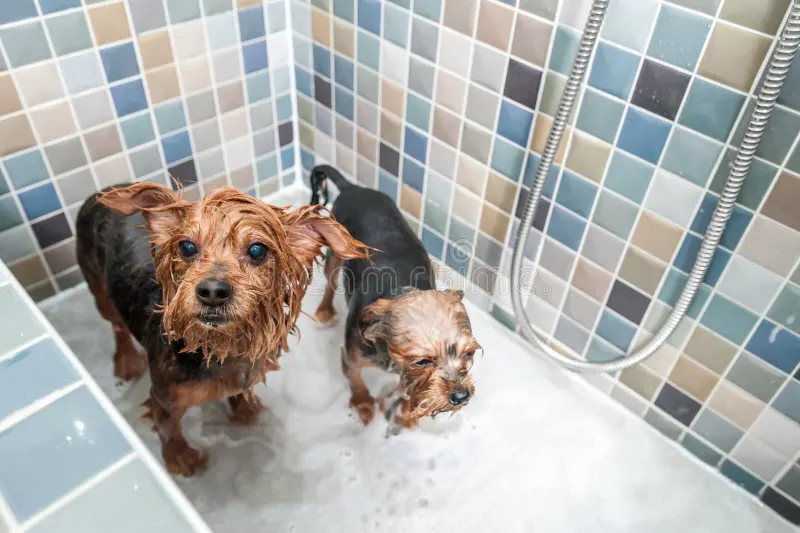
Why This Mistake Happens
Owners either use human shampoo because they have it available and it seems similar to dog shampoo, or they use an all-purpose pet shampoo from the grocery store without considering whether it is appropriate for the specific coat type. Others bathe too infrequently because they want to preserve coat oils, not realizing that a dirty, oil-saturated Yorkie coat mats faster than a clean one.
Why It Matters
Using the wrong shampoo and conditioner can strip a Yorkie’s coat of its natural oils, leading to dryness, tangles, and matting. It can also irritate their skin, leading to itching, redness, and even allergic reactions. Using products with harsh chemicals or fragrances can further exacerbate these issues. Human shampoos are formulated for a scalp pH of approximately 5.5. Dog skin has a pH of approximately 7.5. Using human shampoo repeatedly on a Yorkie disrupts the skin’s acid mantle — the natural protective barrier — leading to chronic dryness, itching, and secondary bacterial and yeast infections that present as skin redness, odour, and constant scratching.
The Fix
Use a shampoo specifically formulated for silky or fine dog coats, with a pH between 6.5 and 7.5. Follow every shampoo with a conditioner designed for the same coat type — on a Yorkie coat, conditioning is not optional, it is the step that restores the slip and alignment of the hair cuticle that shampoo disrupts. Apply conditioner from mid-shaft to ends rather than at the roots, where it can block the follicle and cause greasiness. Leave it in for the recommended contact time before rinsing thoroughly.
Bathe your Yorkie every 2 to 4 weeks to keep its coat fresh and odour-free. This frequency maintains coat cleanliness without over-stripping natural oils. Always brush thoroughly before bathing — water causes any existing tangles to lock into tight mats as the hair dries, and a mat that was loose before the bath becomes a dense, painful knot after it. For dense coats, follow with a cool-setting blow dryer while brushing to prevent mats as the coat dries. Never allow a Yorkie coat to air-dry without brushing through it as it dries — the result is a set of mats that will take significantly longer to address than the blow-dry session would have.
Grooming Mistake Three: Neglecting Dental Care — The Grooming Task That Affects Lifespan
Why This Mistake Happens
Most owners do not think of tooth brushing as grooming. It sits in a different mental category from coat care, and because dogs do not visibly display dental pain in the early stages, there is no obvious signal that something is wrong until the disease is advanced.
Why It Matters
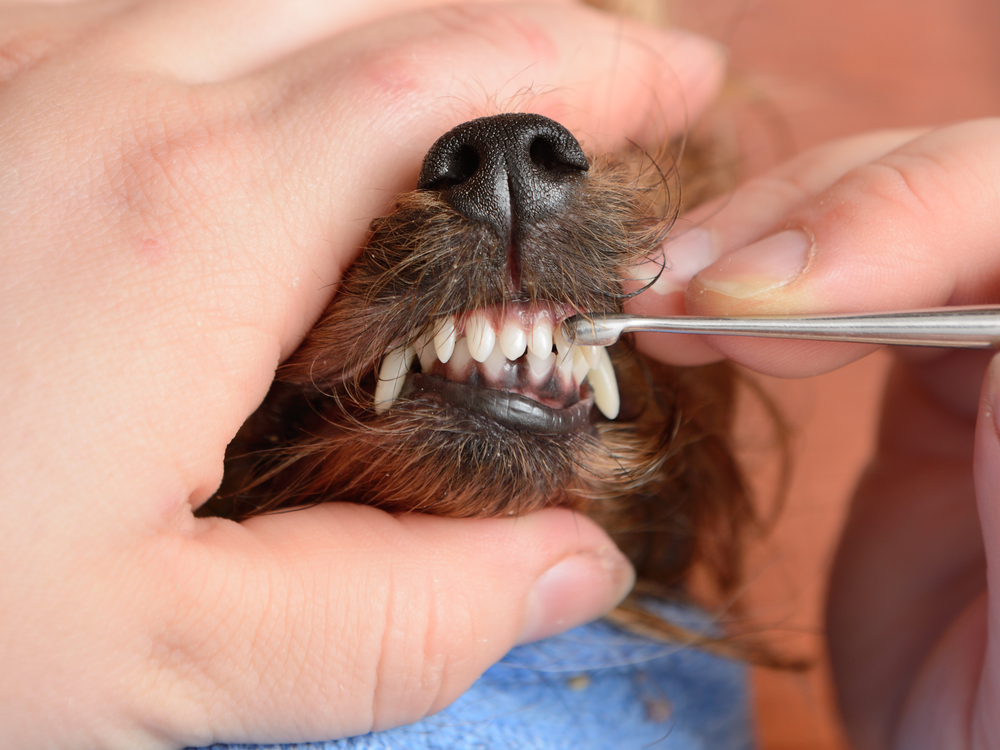
Yorkies, like many other small breeds, are at a higher risk of developing periodontal disease. According to the American Veterinary Dental College, periodontal disease is an infection that can cause the loss of teeth and jawbone. The infection can also spread throughout the body, damaging vital organs such as the heart, liver, and kidneys. Yorkshire Terriers are specifically vulnerable because their small mouths have crowded, often misaligned teeth that accumulate tartar at an accelerated rate and are difficult to clean without deliberate daily attention. Yorkies are particularly prone to rapid tartar buildup due to their small mouths and the positioning of their teeth. Left untreated, gingivitis will progress to periodontal disease, the most common dental problem affecting dogs regardless of breed, progressively damaging the structures supporting the teeth and leading to infection, tooth loss, and tooth root abscess.
The Fix
Veterinary experts recommend annual professional cleanings. In addition, you should clean your dog’s teeth and gums every day or at the very least a few times a week. Begin dental brushing during puppyhood using a finger brush and dog-specific toothpaste in a flavour your Yorkie accepts — poultry and beef flavours are typically most accepted. Never use human toothpaste, which contains fluoride and xylitol that are toxic to dogs. Start with your finger, let the puppy lick the toothpaste, progress to touching the teeth with your finger, then introduce the brush. Go slowly and keep sessions under 2 minutes — you are building a habit that needs to be performed daily for the dog’s entire life, and a dog that dreads tooth brushing from the start will fight it forever.
Signs of dental distress that require immediate veterinary attention include excessive drooling, noticeably foul breath, red or bleeding gums, and reluctance to eat. These signs indicate a disease that is already at a stage where professional intervention is required, and waiting to see if they resolve on their own is not an appropriate response for this breed.
Grooming Mistake Four: Ignoring the Ears Until There Is an Infection
Why This Mistake Happens
Ears are invisible during a casual glance at the dog. They require picking up the ear flap, looking inside, and in some cases feeling the canal — an inspection step that most owners skip in the course of a regular grooming session. By the time an ear infection produces visible head-shaking, pawing at the ear, or odour, it has usually been developing for days or weeks.
Why It Matters
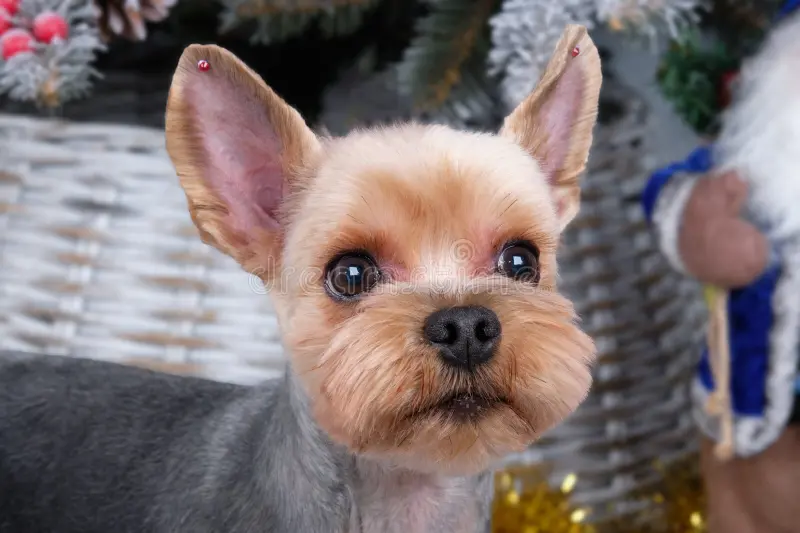
Yorkies have small, delicate ears that can trap moisture, wax, and debris — leading to ear infections if not properly cleaned. Warning signs include shaking the head, scratching the ears, or a foul odour coming from the ears. Hair growth inside the Yorkie ear canal is a breed-specific feature that traps wax and debris and reduces airflow, creating a warm, occluded environment that is ideal for bacterial and yeast overgrowth. Hair in the ear canal needs to be plucked regularly — ideally by a professional groomer during scheduled appointments — to maintain the open canal that resists infection.
The Fix
Clean ears every 2 weeks using a vet-approved ear cleaner. Avoid using cotton swabs deep in the ear canal. Check for redness, odour, or excessive wax — these can be signs of infection. Trim excess ear hair to improve airflow and reduce the risk of infections. For the fortnightly clean, apply a small amount of veterinary ear cleaning solution to a cotton ball and gently wipe the visible portions of the ear canal — the parts you can see without pushing anything into the canal. Do not insert cotton swabs or any object deeper than the visible part of the ear canal. Discuss ear hair plucking with your veterinarian — some vets recommend plucking, others prefer to leave intact hair in ears that have not had infection issues, and the right approach for your specific Yorkie depends on their individual anatomy and infection history.
Grooming Mistake Five: Letting Nails Grow Too Long
Why This Mistake Happens
Nail trimming is the grooming task that most dog owners, and most dogs, find most stressful. The risk of cutting the quick — the blood vessel inside the nail — is real, and the consequences are visually alarming even when minor. Owners who have cut the quick once often avoid nail trimming indefinitely or push it to infrequent grooming appointments, not realizing what those long nails are doing to their dog’s body.
Why It Matters
Overgrown nails can cause discomfort and pain while walking, joint and posture problems, nail breakage, and infections. When a dog’s nails are long enough to contact the ground with each step, they force the toes upward into an unnatural position. Over time, this changes the alignment of the entire foot, which alters the loading pattern of the ankle, the knee, and ultimately the hip — producing joint pain in a small dog that may be attributed to arthritis or intervertebral disc disease when the cause is actually a grooming failure. Yorkies are already vulnerable to patellar luxation — slipping kneecap — and long nail-related posture changes actively worsen this condition.
The Fix
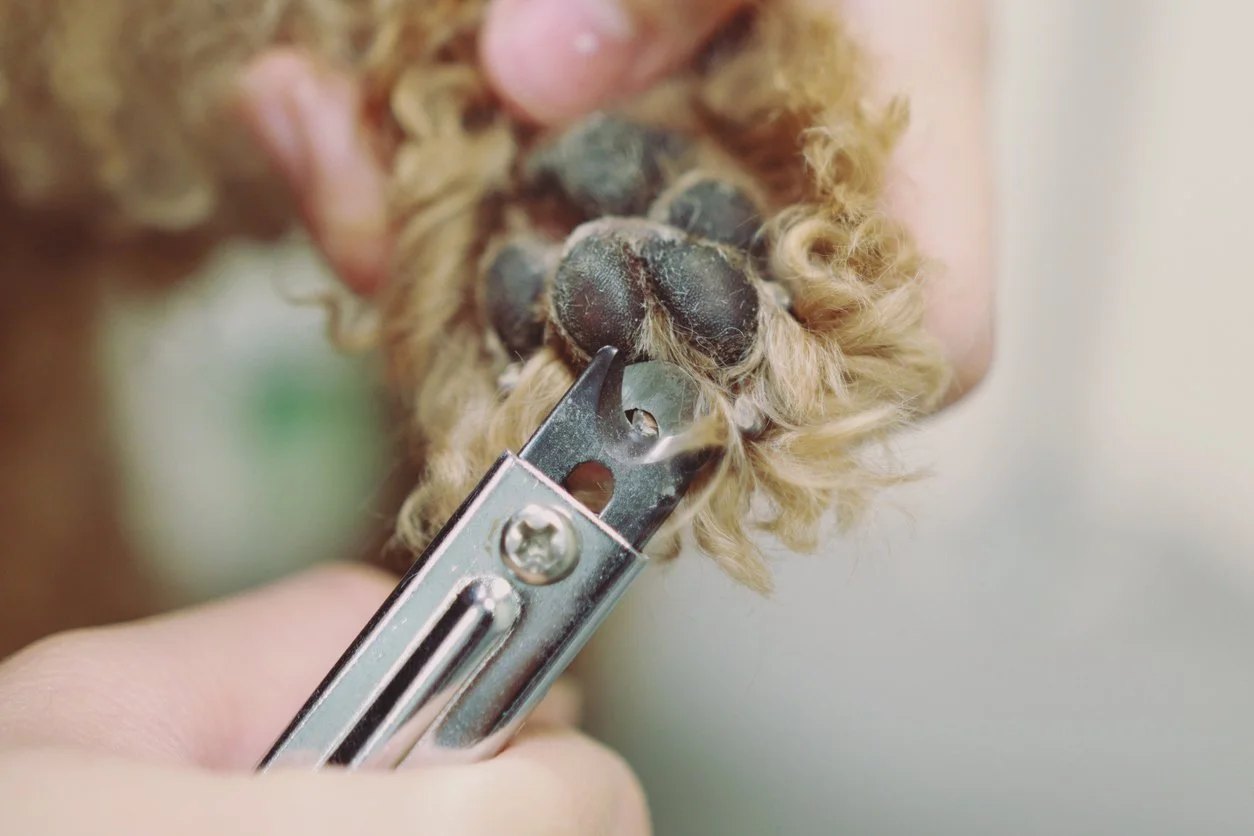
Trim nails weekly if your dog tolerates it, or at least once a month. Use sharp, correctly-sized nail clippers — dull blades crush rather than cut the nail, which causes more discomfort and increases the likelihood of the quick being damaged. Desensitize your Yorkie to nail handling from puppyhood by touching and holding the paws regularly, pressing lightly on each nail, and associating this handling with high-value treats. Trim only the tip of the nail in small increments — the white area at the very end — rather than trying to achieve the ideal length in one session. Regular small trims every 1 to 2 weeks gradually push the quick back toward the paw, allowing you to trim more length safely over time.
If you do catch the quick, apply styptic powder or cornstarch to the tip of the nail and hold light pressure for 30 seconds. The bleeding stops quickly and causes no lasting harm. End the session there and come back to the remaining nails in a day or two to avoid associating the full nail trim session with the stressful event.
A Well-Groomed Yorkie Is a Healthy Yorkie — These Two Things Are Not Separate
Grooming a Yorkshire Terrier is not cosmetic maintenance. The brushing prevents mats that cause painful skin infections. The bathing prevents the coat buildup that accelerates tangling. The dental care prevents the organ damage that shortens lives. The ear cleaning prevents the infections that cause chronic pain. The nail trimming prevents the joint damage that changes how your dog moves for the rest of their life. Every grooming task in this guide is a health maintenance task, and every one you skip has a direct consequence on your Yorkie’s body. That is the truth of caring for this breed — and now you have the information to do it right.